I refreshed the feed again.
Nothing new. Same posts, same faces, same endless scroll. But I couldn’t stop checking. What if I missed something?
My wife looked over. “Still scrolling?”
“Just checking.”
“For what?”
I didn’t have an answer. What was I checking for? News I needed to know? Updates that mattered? Something that would finally make the constant checking worthwhile?
Or was I just afraid of missing whatever everyone else was seeing?
The exhaustion started small.
First, just tiredness after too much screen time. Then irritability from information overload. Then this crushing fatigue—feeling drained by everything I consumed without being able to stop consuming it.
I was drowning in content while desperately checking for more.
My therapist called it FOMO. Fear of missing out.
But I wasn’t excited about what I might find. I was exhausted by what I kept finding. The same arguments, the same drama, the same manufactured urgency about things that didn’t actually matter.
Yet I kept checking. Kept scrolling. Kept refreshing.
Afraid that the moment I stopped, something important would happen without me.
My father visited last week.
“You’re always on that thing.”
“Just staying informed.”
“About what?”
I looked at my feed. Celebrity gossip. Political arguments. Someone’s breakfast. A video of a cat. Seventeen trending topics I didn’t care about.
“Everything,” I said weakly.
“Looks more like nothing.”
He was right. I was staying informed about nothing in particular. Just maintaining constant awareness of a stream of information that didn’t improve my life in any meaningful way.
But I couldn’t stop checking.
The algorithm knows exactly what it’s doing.
“BREAKING.” “URGENT.” “TRENDING NOW.” Every post designed to seem crucial. Every notification suggesting I might miss something important if I don’t click immediately.
Artificial scarcity in an infinite stream. Making everything feel urgent so I never feel allowed to look away.
My wife tried explaining this to me.
“It’s designed to keep you hooked. Variable reinforcement, like gambling. You keep checking because maybe this time you’ll find something worth finding.”
“But I do find important things sometimes.”
“Once in a hundred refreshes. And you waste hours finding that one thing. Hours you could spend actually doing something.”
I tried stopping. Just for a day.
Made it to lunch before the anxiety became unbearable. What was I missing? What was happening? What were people talking about that I wouldn’t understand later?
I checked. Caught up on everything. Felt relieved for about thirty seconds.
Then exhausted again. Drowning in information I hadn’t needed, that didn’t improve anything, that left me more tired than informed.
But at least I hadn’t missed out.
My son asked me something yesterday.
“Dad, why do you always look tired?”
“I am tired.”
“From what? You just sit and look at your phone.”
From what indeed. How do you explain to a seven-year-old that you’re exhausted from consuming content? That staying constantly informed is somehow more draining than physical labor?
“I’m just… keeping up with things.”
“With what things?”
I looked at my feed. Couldn’t name a single thing that mattered. Just an overwhelming flood of everything and nothing.
“I don’t know anymore,” I admitted.
I started noticing what I was missing while trying not to miss anything.
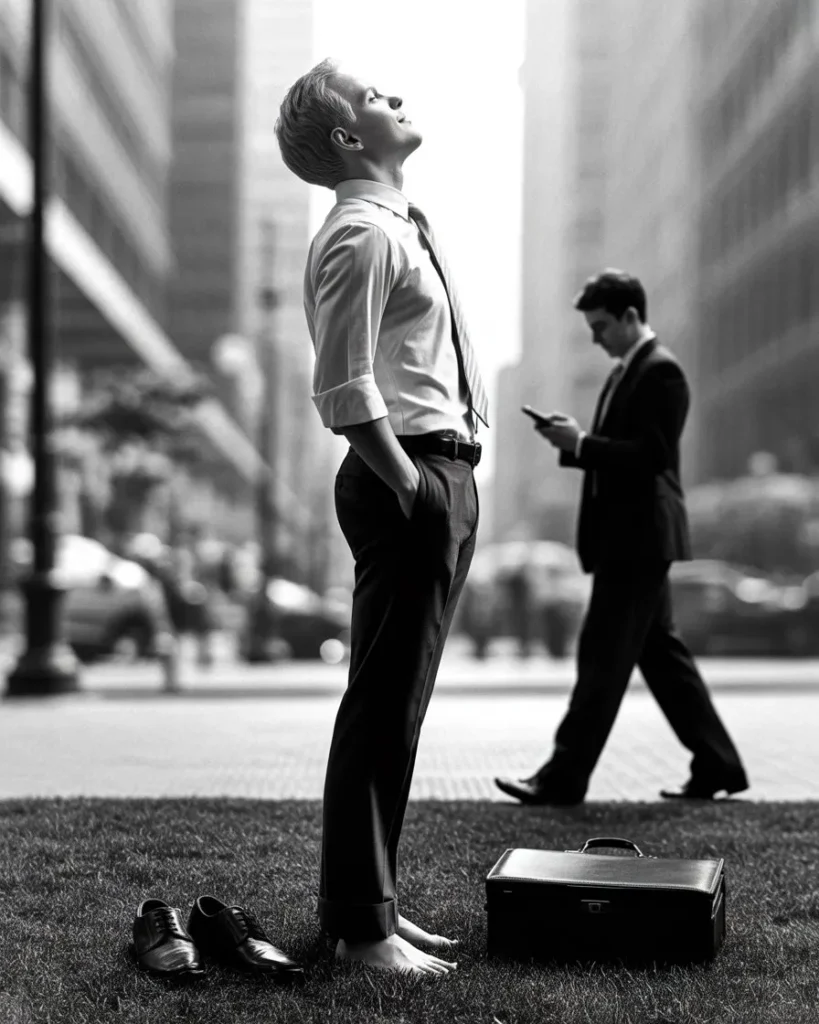
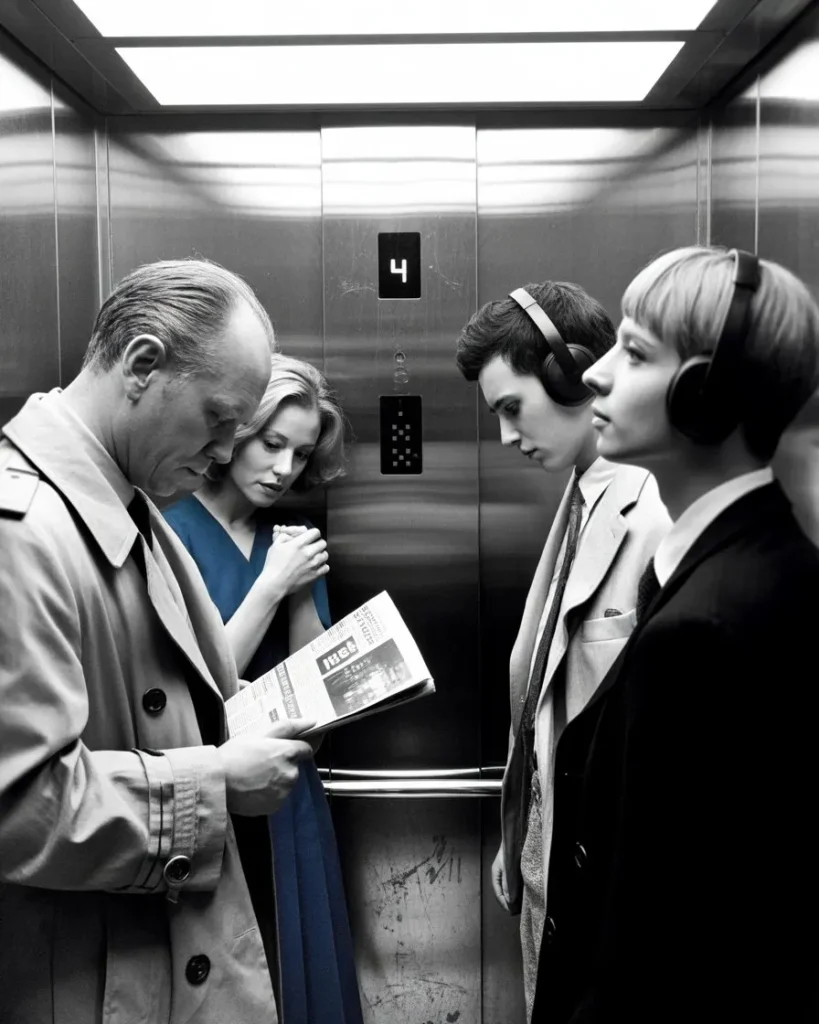
My wife talking about her day. My son showing me drawings. Sunset through the kitchen window. The taste of coffee, drunk while scrolling. Real conversations reduced to distracted half-listening.
I was so afraid of missing out digitally that I was missing out on everything actually happening around me.
The important stuff never came with notifications.
My colleague has the same problem.
“I’m so tired,” she said at lunch. “But I can’t stop checking my phone.”
“What are you checking for?”
“I don’t even know anymore. Just… everything? In case something happens?”
“Does anything ever happen?”
“Not really. Just the same stuff. Different day, same arguments, same drama. But what if something actually important happens and I miss it?”
“Would it matter? Would you really be worse off not knowing immediately?”
She thought about it. “Probably not. But it feels like it would.”
That’s the trap. The feeling that we need to know everything immediately. That missing anything means falling behind, being out of the loop, losing connection.
Even when the loop is exhausting and the connection is hollow.
I tried something different last night.
Deleted all social media apps. Not the accounts—couldn’t quite commit to that. Just the apps. Making checking require effort instead of automatic reflex.
The first hour was hell. Phantom phone reaching, compulsive checking of empty home screen. The anxiety of not knowing, not seeing, not staying current.
But then something shifted.
The world kept turning. People kept posting. Things kept trending. And I wasn’t there for any of it.
And nothing bad happened.
I talked to my wife. Actually talked, full attention, no phone dividing my focus. We had our first real conversation in weeks.
I played with my son. Fully present. Not filming for content, not half-distracted by notifications. Just there.
I slept better than I had in months.
The next morning, I almost reinstalled everything.
What had I missed? What was everyone talking about? What trends, news, drama had passed me by?
I reinstalled one app. Just to check. Just to catch up.
Two hours disappeared. Scrolling, refreshing, catching up on twenty-four hours of content I hadn’t needed. Feeling exhausted by lunchtime.
And I realized: I’d missed nothing that mattered. But I’d wasted a morning I couldn’t get back.
My father called.
“You seem different.”
“Different how?”
“Present. Like you’re actually here when we talk instead of half-somewhere else.”
“I’m trying something. Being less informed, more present.”
“And?”
“It’s terrifying. And better. Simultaneously.”
He laughed. “That’s called living. You can’t experience everything. Trying to will just exhaust you.”
Here’s what I’m learning: FOMO is a trap that feeds itself.
The more you try not to miss out, the more you miss out on what matters. The constant input exhausts mental resources needed for real engagement. The attempt to stay informed about everything leaves you too tired to actually do anything.
And most of what we’re afraid to miss? It doesn’t matter. Won’t matter tomorrow, next week, next year. Just noise that feels urgent because algorithms make everything feel urgent.
The important stuff finds you. The real news breaks through. The actual connections don’t require constant feeds.
Last night, I sat with my family. No phones. Just us.
My son told stories about school. My wife talked about her work. We played a board game. Laughed. Were together.
Somewhere, people were posting. Trends were trending. News was breaking. Drama was unfolding.
And I missed all of it.
And it was perfect.
I’m not quitting social media. That’s not realistic or necessary.
But I’m choosing what to miss. Accepting that I can’t see everything, know everything, participate in everything. That missing out is necessary for being present anywhere.
This morning, I didn’t check my phone for the first hour. Had coffee, actually tasted it. Watched morning light, actually saw it. Talked to my wife, actually listened.
Then I checked. Caught up quickly. Logged off.
The feed will always be there. The constant stream of everything and nothing. The manufactured urgency, the artificial scarcity, the endless scroll.
But my morning is finite. My attention is limited. My energy is precious.
And I’m learning that missing out intentionally is better than drowning constantly.
That exhaustion isn’t the price of staying informed. It’s the cost of trying to consume everything.
That FOMO is less scary than FOTO—fear of the obvious. Of missing what’s right in front of me while staring at what’s on my screen.
Tonight, I’ll miss out on whatever’s trending.
And I’ll be here instead.
Fully here.
For the first time in years.