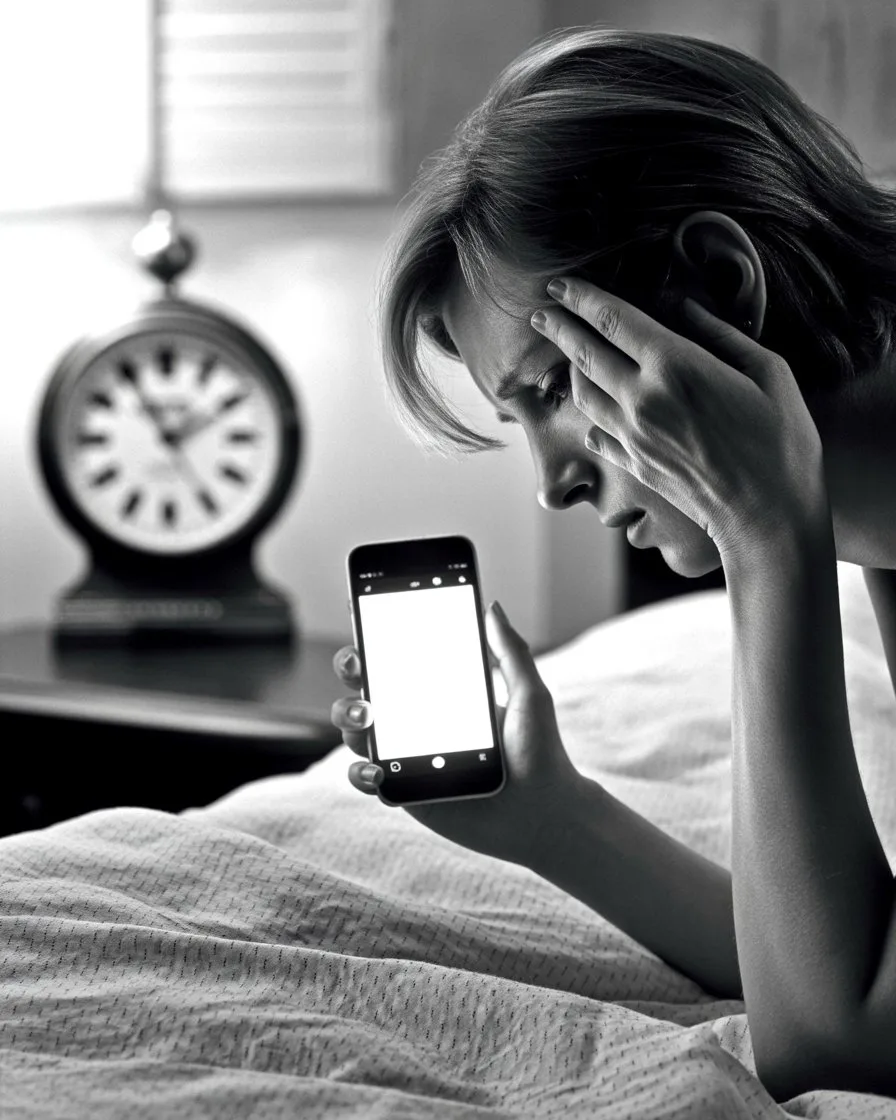
I was typing a message to Happy this morning when my phone corrected “goof” to “good” before I could finish. My thumb had barely lifted from the screen, yet somehow this small machine knew I meant to write “good morning” instead of “goof morning.” For a moment, I stared at the screen, unsettled by this quiet understanding between me and a device that has never heard my voice tremble or seen my hands shake when I’m nervous.
There’s something deeply strange about being known by an algorithm. My phone has learned that I often mistype “teh” instead of “the,” that my thumb consistently hits “n” when I mean “m,” that I write “definately” every single time before it gently corrects me to “definitely.” It knows my patterns of error better than I know them myself. In some ways, it knows my fingers better than Happy does, though she’s held them for fifteen years.
This morning, as my phone quietly fixed my clumsy typing, I wondered: what does it mean to be understood by something that cannot love you back?
I think about Arash, how he watches the world with such careful curiosity, asking questions that make me pause mid-breath. “Baba, how does the phone know what you’re thinking?” he asked once, watching me text. I didn’t have an answer then. I still don’t, not really. But sitting here in our small apartment, the ceiling fan spinning its familiar rhythm above us, I realize that perhaps being known and being understood are not the same thing.
My phone knows I’m prone to certain mistakes. It has catalogued my errors, mapped my linguistic stumbles, predicted my failures before they happen. But it doesn’t know that when I type “I love you” to Happy, my chest tightens slightly because love still feels too large for words, even after all these years. It doesn’t know that when I misspell “Arash’s” name in a text, it’s because my hands shake a little every time I write about him—not from fear, but from the overwhelming tenderness of being someone’s father.
The autocorrect sees patterns. I see miracles.
There’s an unsettling intimacy in having your mistakes predicted, your errors anticipated. My phone waits for me to stumble, ready with corrections I didn’t ask for but somehow need. It’s like having a companion who knows all your weaknesses but none of your dreams. Sometimes I wonder if this is what Allah feels like—watching us fumble with words, knowing what we mean before we know it ourselves, correcting our paths before we realize we’ve wandered.
But Allah knows why I stumble. The phone only knows that I do.
Happy calls from the kitchen, asking if I want tea. I type “yes please” and watch as my phone suggests adding a heart emoji. For a moment, I hesitate. Does it know I love her, or has it simply learned that people often add hearts to messages about tea? The algorithm cannot distinguish between habit and emotion, between routine and reverence.
I add the heart anyway.
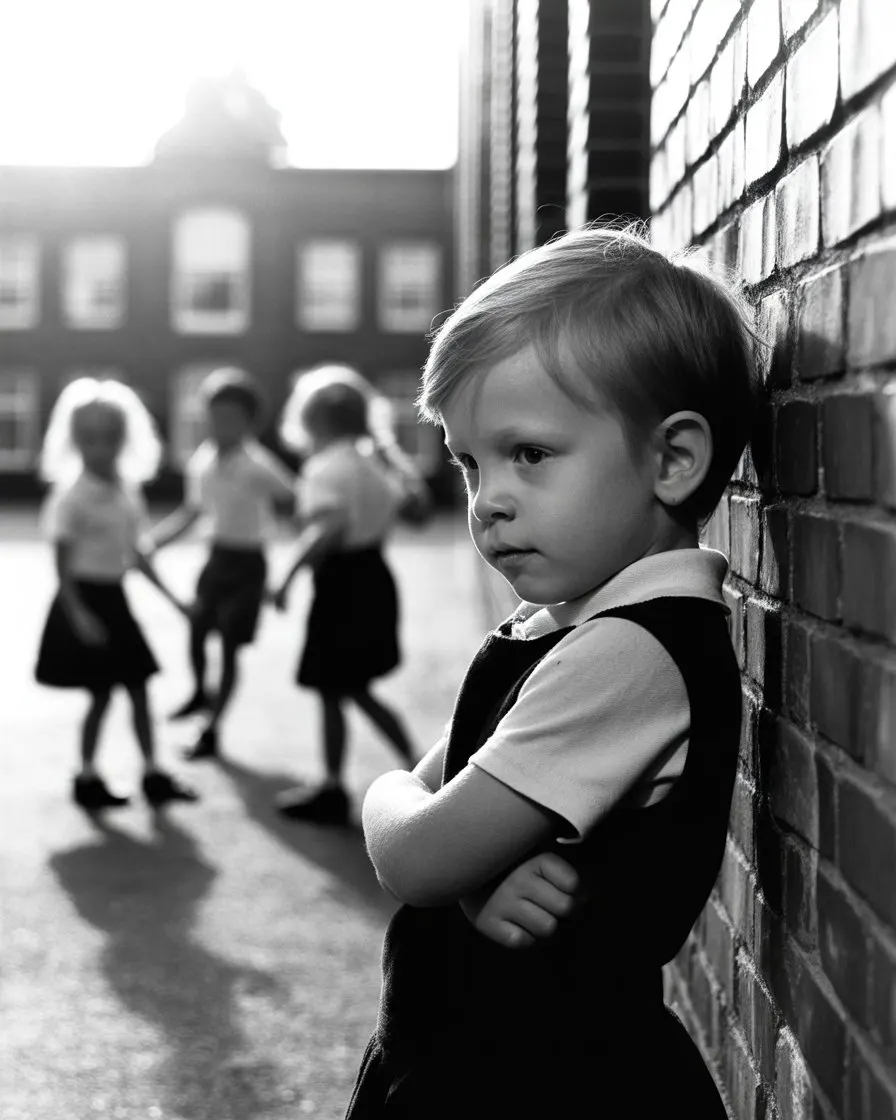
Later, I watch Arash play on his iPad, his small fingers dancing across the screen with a confidence I’ll never have. He doesn’t fight with autocorrect the way I do. He accepts its suggestions, trusts its predictions. Maybe this is what it means to grow up in a world where machines complete your thoughts—you learn to think in ways that make you easier to understand, even by things that cannot love you.
I wonder if we’re raising a generation that will mistake being predicted for being known, algorithmic assistance for genuine intimacy. Or maybe they’ll understand something I’m still learning: that being known has many forms, and perhaps the strangest intimacy is not the one that loves us back, but the one that simply, quietly, helps us say what we mean.
The phone sits beside me now, screen dark, waiting. In its memory are thousands of my corrections, patterns it has learned from my mistakes. It knows I often type “form” when I mean “from,” that I struggle with “definitely,” that my right thumb tends to drift.
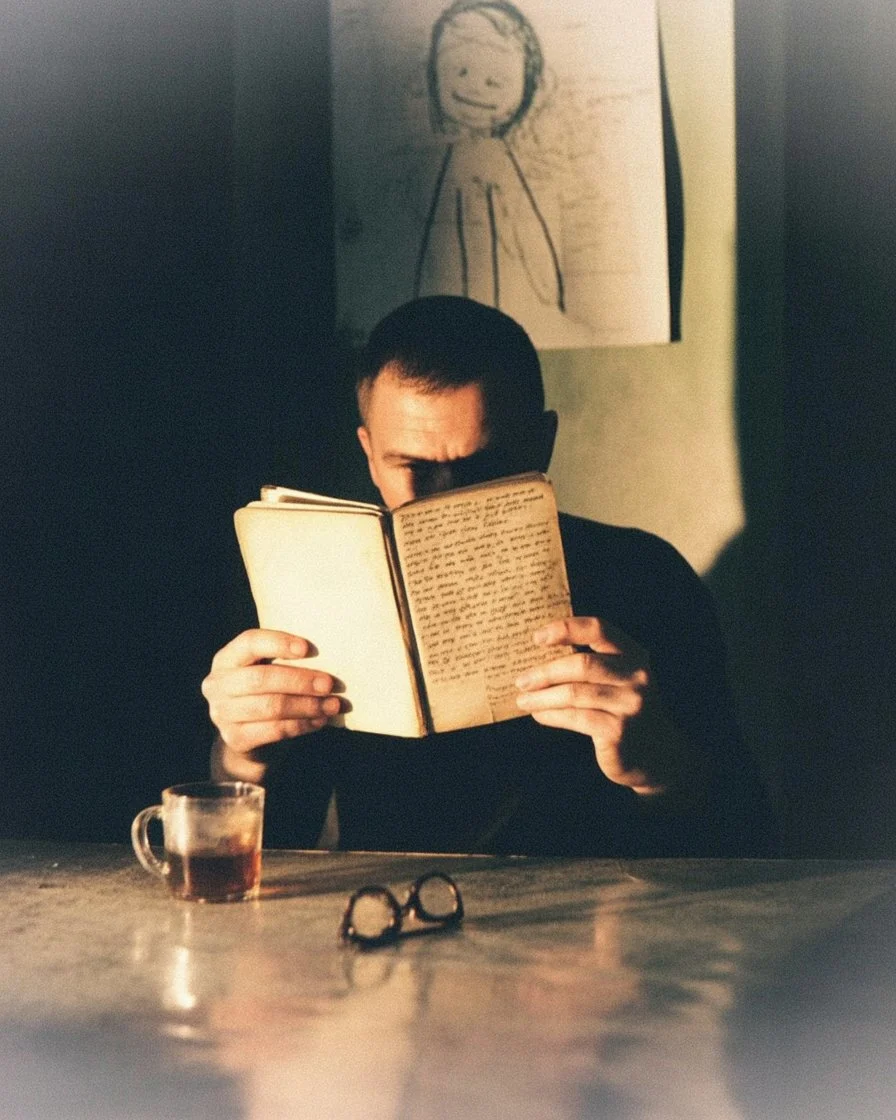
But it doesn’t know that I’m writing this to understand something I can’t quite name. It doesn’t know that sometimes, late at night when the apartment is quiet and Happy sleeps beside me, I wonder if being understood—even incompletely, even by something incapable of love—might be its own kind of grace.
Maybe the strange intimacy isn’t that autocorrect knows what I meant to say. Maybe it’s that in a world where I often feel like nobody truly sees me, there’s odd comfort in being predictable, even to a machine.
Even to be known partially is to be known at all.

Leave a thought