
When Arrival Means Seeing What You Already Have
My passport has seventeen stamps and zero stories worth telling.
I realized this while Happy was showing me photographs from her friend’s wedding—a simple ceremony in our local community center, but the joy on people’s faces was so radiant it hurt to look at. There, in a room I’d passed a thousand times without really seeing, was more authentic beauty than I’d witnessed in most of my carefully documented travels.
We collect passport stamps like trophies, proof that we’ve been somewhere, but what are we proving? That we had enough money for a plane ticket? That we could stand in the same spot where millions of other tourists have stood, taking the same photograph of the same monument, feeling the same strange emptiness that comes from ticking boxes instead of opening doors?
The Eiffel Tower looks exactly like its pictures. The pyramids are surrounded by gift shops and tour buses. The Great Wall of China stretches majestically into the distance while you wait in line with hundreds of people doing exactly what you’re doing—proving they were there.
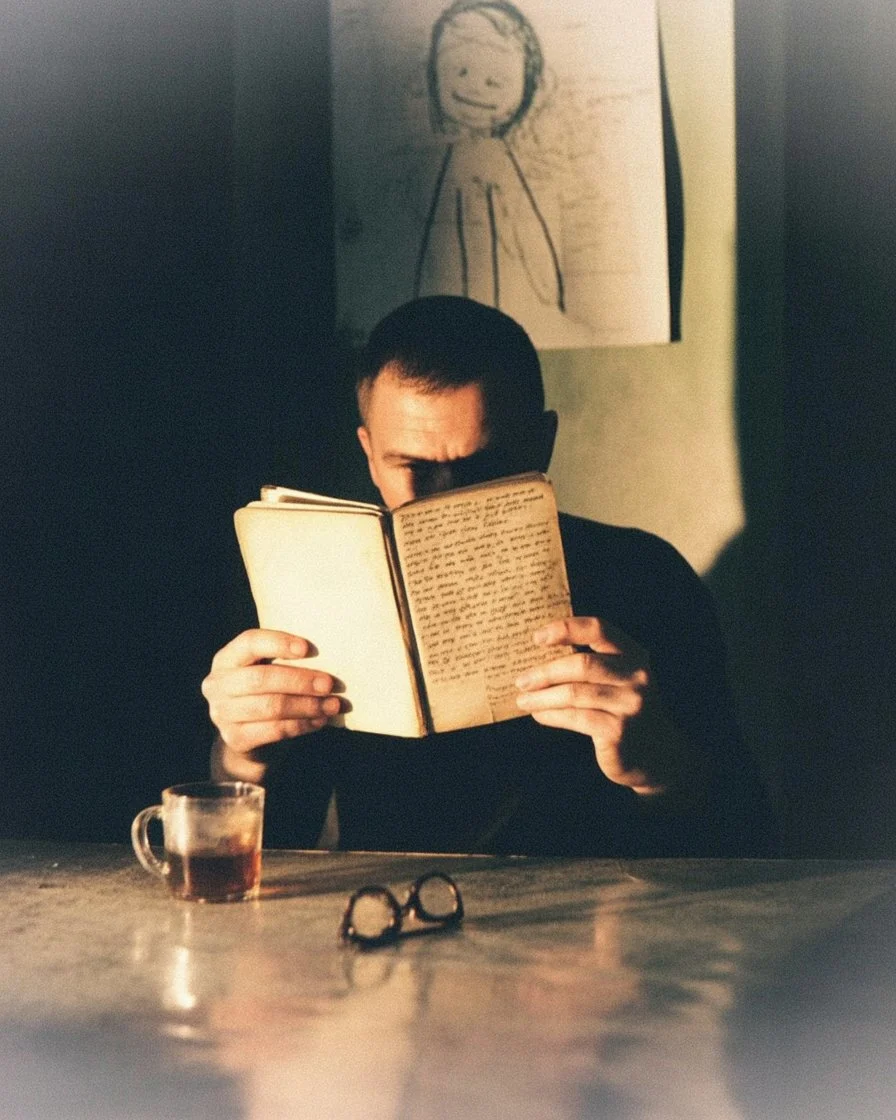
But here’s what my passport doesn’t document: the morning I watched our neighbor teach his grandson to ride a bicycle in the narrow alley behind our building. The way the old man’s face lit up when the boy finally found his balance. The specific quality of light filtering through our kitchen window when Happy makes her morning tea. The sound Arash makes when he’s concentrating on a drawing—this tiny humming that means his whole world has narrowed to the movement of crayon across paper.
These moments don’t photograph well. They don’t make good social media posts. They leave no physical evidence except the way they change the shape of your heart.
I think about travel influencers with their carefully curated feeds—sunrise from Machu Picchu, street food in Bangkok, sunsets from Bali clifftops. Their lives look like magazine spreads, but I wonder: when was the last time they had a conversation that changed them? When was the last time they were moved to tears by something that couldn’t be filtered or hashtagged?
We’ve turned travel into consumption—another way to acquire experiences like we acquire objects, believing that if we collect enough stamps, enough photographs, enough stories to tell at parties, we’ll finally feel full. But meaningful moments aren’t commodities. They’re accidents of attention, miracles of presence that happen when you’re not trying to capture them.
The richest person I know has never left our city. She’s eighty-three, lives in the same house where she was born, and can tell you stories about the changing light in her garden that are more captivating than most travel blogs. She’s collected fifty years of morning sunrises from her kitchen window, and her passport is blank.
My most profound travel experience happened in our own apartment. Happy was feeding Arash when he was still small, and I was watching from the doorway. The afternoon light was catching the dust particles in the air, and suddenly I understood something about love that I’d never learned in all my movement through airports and hotels.
Real travel isn’t about crossing borders. It’s about crossing the border between distraction and presence, between experiencing life and documenting it, between going somewhere and arriving somewhere.
Your most meaningful journey might be the one that brings you home to the life you already have.

Leave a thought