
Takeout Alone, Feasts for Guests: The Kitchen’s Bias
The phone glows with familiar options: Thai Express, Pizza Corner, Golden Dragon. My thumb hovers over the delivery apps while the kitchen behind me holds everything needed to create something real—fresh vegetables bought this morning, spices arranged in their grandmother’s jars, rice that could become khichuri with forty minutes of attention.
But I’ll order takeout for myself and spend three hours making biriyani for guests on Friday.
This contradiction lives in all of us, doesn’t it? We’ll hand-grind masala for our beloved, lovingly adjust seasoning until it matches their exact preference, present homemade meals like offerings on altars of affection. But when we’re hungry and alone, we settle for food that arrives in plastic containers, already cooling, made by strangers who will never know if we enjoyed it.
The psychology texts call this other-enhancement bias—we believe others deserve better than we deserve ourselves. But in the kitchen, this bias becomes theology. We cook for love; we eat for survival.
“Ektu bhalo kichu banai,” Happy says when her sister visits. Let me make something good. Not “ami khabo,” I will eat, but “banai,” I will make—the verb that transforms ingredients into care, sustenance into statement.
When I cook for Arash, every grain of rice carries intention. I taste repeatedly, adjust constantly, because his pleasure validates my purpose as provider, protector, father. The act of cooking becomes the physical manifestation of abstract love—something he can taste, digest, be nourished by.
But when it’s just me, hunger becomes mere inconvenience to be solved quickly. Why spend an hour creating what can be purchased in ten minutes? Why dirty dishes for an audience of one? Why perform the ritual of care when no witness exists to validate the performance?
This is the cruelest revelation: how much of our cooking is actually theater, done not for the joy of creation but for the applause of appreciation. Remove the audience, and we lose motivation for the craft.
Or perhaps it’s simpler than psychology. Perhaps we cook for others because cooking is fundamentally an act of communication—a way of saying “you matter enough for me to transform raw materials into comfort.” When we’re alone, what message are we sending, and to whom?
The food delivery apps understand this perfectly. They market convenience, speed, variety—everything except the soul-satisfaction that comes from creating something with your own hands. They’re selling solutions to hunger, not experiences of nourishment.
But there’s another possibility hidden in this pattern. Maybe we order takeout for ourselves not because we think we don’t deserve effort, but because we understand something profound about solitude: sometimes the most loving thing we can do for ourselves is to remove the burden of performance, to eat without having to create, to be fed without having to feed.
The delivery notification chimes. Someone I’ll never meet has prepared food I didn’t choose to make, will bring it to my door without expectation of gratitude or conversation. There’s an anonymous kindness in this transaction, a form of care that asks nothing of me except payment.
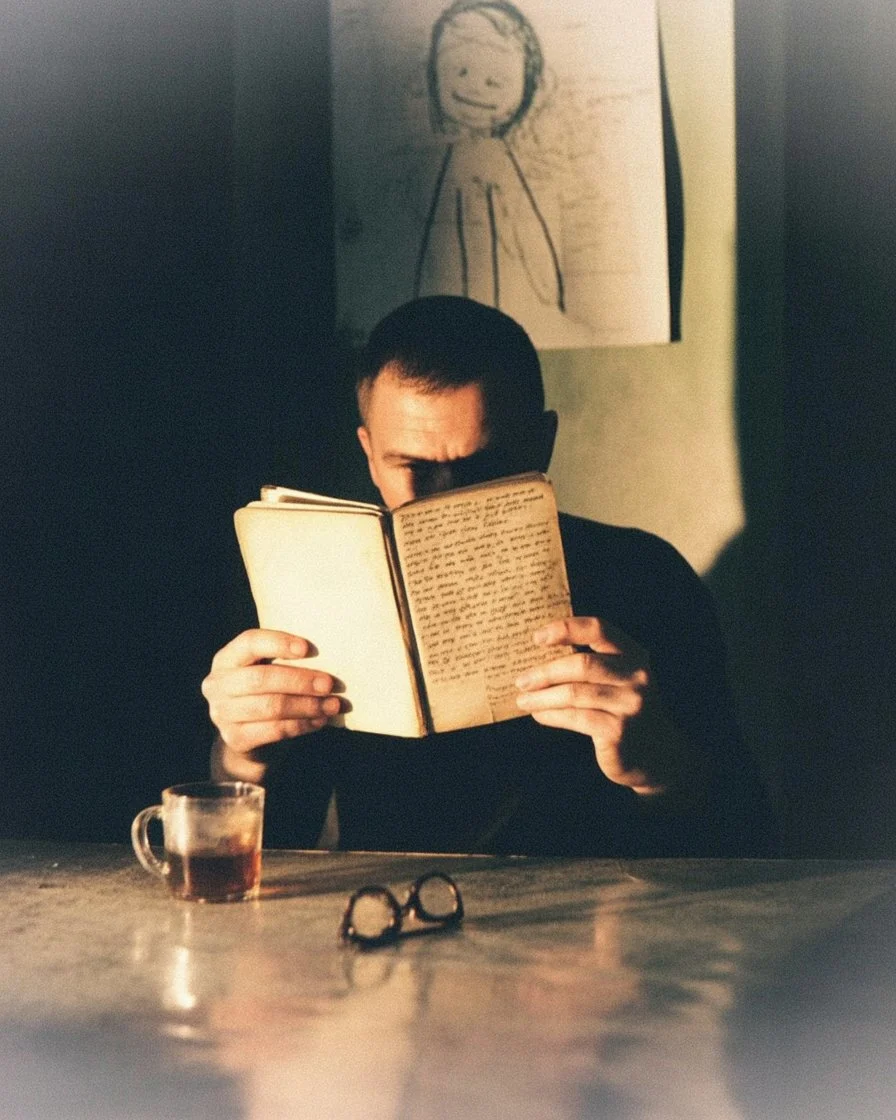
Tonight I’ll eat pad thai from a foam container while reading, each bite unconscious, functional. Friday I’ll spend the morning shopping for the perfect basmati, the afternoon building layers of flavor for people whose faces will light up when they taste what I’ve created.
Both hungers are real. Both ways of eating are valid. One feeds the body, the other feeds the relationships that make the body worth feeding.
The hierarchy of hunger isn’t about worthiness—it’s about energy distribution. We save our creative cooking for others because creation requires audience, because transformation demands witness, because love needs language and food is how some of us learn to speak it.
The takeout arrives. I eat without ceremony, without Instagram photos, without anyone asking “How does it taste?” And there’s freedom in this absence of performance, this permission to consume without producing meaning.
Tomorrow I’ll cook again, with intention and audience. Tonight I’ll eat simply, alone, grateful that both kinds of hunger can be satisfied, both kinds of care can coexist in the same life.



Leave a thought