
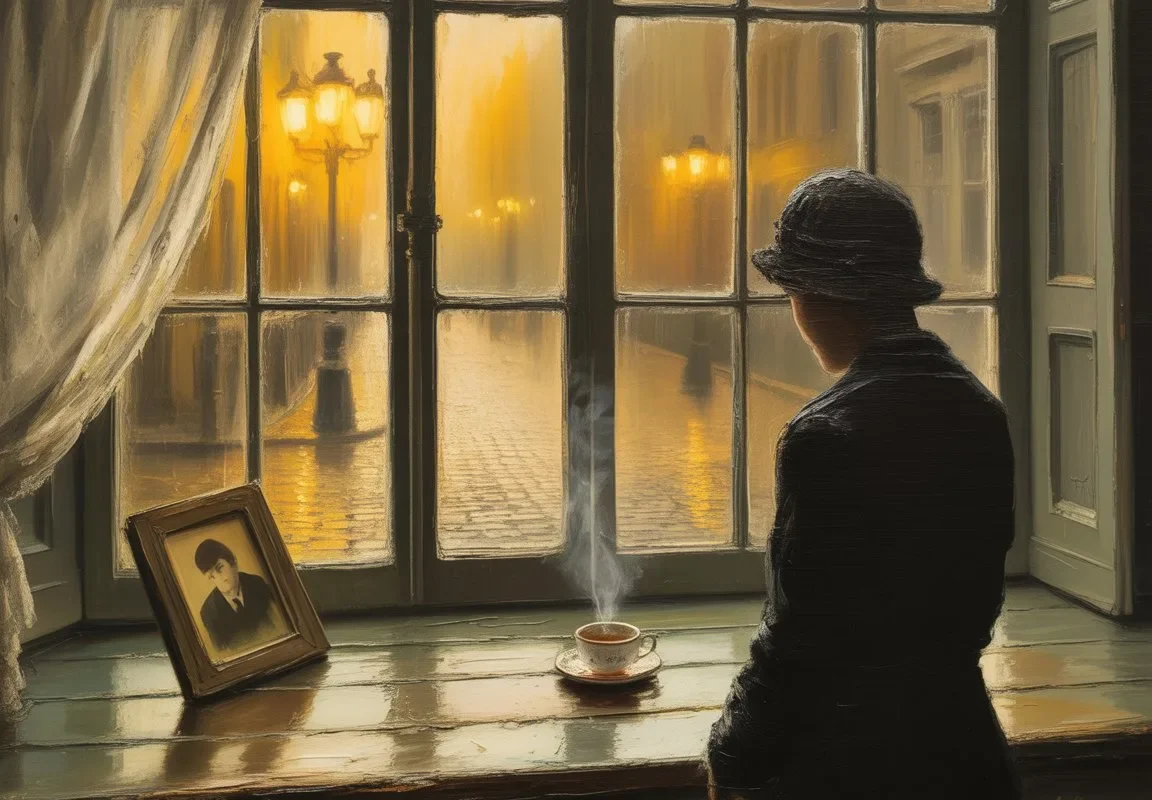
A dead person’s voice stays clearer in memory than a living person’s. That is what a core memory does — it burns so deep it never blurs, never needs rehearsing, never fades. And the strange part is, the people who left us have more of these than the people still here.
Fifteen years later, the exact words are still there. The way the voice sounded. The pause before the last sentence. All of it — sharp and clear, like it just happened. But what the person at the breakfast table said this morning? Already forgotten. Already gone.
This is not about love. It is about how the brain works — and once you understand it, you cannot unsee it.
The brain only saves things properly when they feel final. A last conversation. A sudden goodbye. A moment that ended too quickly. These become core memories — moments burned so deep they never blur, never fade, never need to be rehearsed to be remembered. The brain treats them like something worth keeping forever. But a normal morning conversation? The brain throws most of it away before the day is even over.
So the dead are remembered so clearly not because they were loved more. But because their story is finished. The brain knows what to do with finished things. The present is still messy and ongoing. The brain does not save messy things well.
But the real problem is not memory. The real problem is attention.
This is why we remember emotional moments so much more than ordinary ones — because emotional moments demanded full presence. Fear, shock, love, grief — these forced the mind to stop and pay attention. Every detail got recorded. But when someone alive is speaking right now, the mind is somewhere else — on the phone, in the past, thinking about tomorrow. Not because that person matters less. But because they feel permanent. Like they will always be there. Like there is always more time.
That is the quiet mistake people make with the living.
There is something that starts happening slowly — people go back to old memories more than they make new ones. This is living in the past psychology at its most ordinary level. It does not look like a problem. It looks like love. It looks like loyalty. Replaying old conversations. Revisiting old feelings. Going back to the clear, safe rooms of before. The past already has meaning attached. The present feels risky. It might not matter. So instead of paying attention to now, the mind keeps going back to before.
But here is the hard truth: the past was once a present moment too. Someone was fully there for it. That is why it stayed. The brain saved it because that moment got full attention — even if only because of pain or shock.
This also explains why childhood memories are so vivid for many people — not because childhood was better, but because everything was new and nothing felt routine yet. Every experience got real attention because nothing had been seen before. The brain had no category for it. So it saved everything.
Attention is what creates memory. Not time. Not importance. Not love. Attention.
A simple, ordinary moment that gets full attention becomes a core memory. Not because something big happened. Because someone was actually present for it. And a big moment that gets half attention fades just like everything else. Core memory meaning is not about drama or crisis — it is about the depth of presence someone brought to a moment while it was still happening.
The clearest ones — the ones that never fade — are core memories. But they do not have to come from loss.
This means clarity is a choice. Not something that only comes from pain.
Being present in the moment — truly, fully, without half the mind somewhere else — is the only thing that creates the kind of memory worth keeping. The brain does not need an emergency to remember something well. It just needs presence.
The dead stay clear because their time ran out. But the living are running out of time too — just slowly, quietly, in ways that are easy to miss until it is too late.
Every conversation happening right now will one day be a memory. Either a faded one, or a clear one.
The difference is not what was said.
The difference is whether anyone was really there to hear it.


Leave a thought