The Hidden Price of Creative Freedom
We envy artists their creative freedom while clutching tightly to our financial security. We scroll through their Instagram feeds—sun-drenched studios, paint-splattered hands, the romance of creating something from nothing—and feel a pang of longing for that unstructured life. Their bohemian existence seems achingly romantic until we allow ourselves to truly consider what it costs: the anxiety of irregular income, the constant exposure to public judgment, the exhausting vulnerability of transforming private expression into public performance, of turning the soul’s whispers into commodities that must sell.
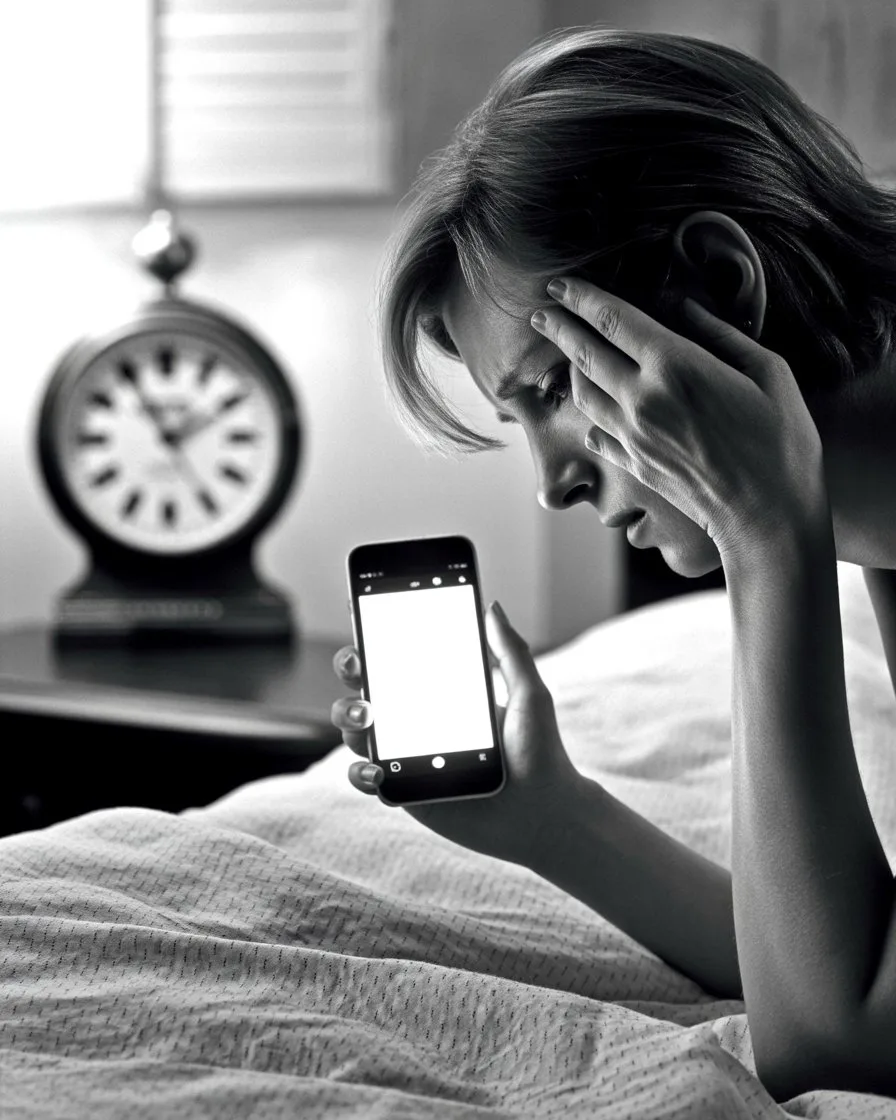
The grass looks greener on the artist’s side because we see only their creative moments. We see the finished painting, not the three months of unpaid labor it required. We see the gallery opening, not the dozens of rejection emails that preceded it. We see the freedom to work when inspiration strikes, not the 2 AM panic about next month’s rent. We curate their lives in our imagination, selecting only the beautiful parts—the creative flow, the meaningful work, the escape from corporate monotony—while conveniently editing out the struggle that forms the substrate of that existence.
This selective vision works both ways. Artists often envy our stability with equal intensity, looking at our predictable paychecks and benefits packages with the same romanticized longing we direct toward their freedom. They imagine our lives as restful, secure, free from the constant hustle of self-promotion and the degrading necessity of explaining why art matters to people who see it as frivolous. We each see what the other has and miss what they’ve sacrificed to have it.
The reality of a creative life bears little resemblance to our fantasies. Consider what it means to monetize inspiration. Inspiration—that fleeting, precious state where ideas flow unbidden—must be captured, refined, and transformed into something someone will pay for. The muse must keep a schedule. The work that begins as pure self-expression must be bent toward market viability. “Will this sell?” becomes a question that haunts every creative decision, corrupting the very freedom that made the artistic life appealing in the first place.
Then there’s the peculiar exposure of the artist’s life. Most of us separate our work from our identity. If someone criticizes a spreadsheet I’ve made or a report I’ve written, they’re criticizing my professional output, not my soul. But when an artist shows their work, they’re offering something far more vulnerable—a piece of their inner landscape, their way of seeing and experiencing the world. Rejection isn’t just professional disappointment; it’s personal invalidation. Every unsold painting, every dismissive review, every gallery that doesn’t respond becomes a small death of the self.
The financial anxiety alone would break many of us. We complain about our jobs, about bosses and meetings and the soul-crushing routine of corporate life, but we rarely acknowledge the profound psychological comfort of knowing exactly how much money will appear in our account each month. We can plan. We can relax on weekends without wondering if we should be working. We can be sick without calculating lost income. We can save for retirement with some confidence that there will be money to save.
Artists live in a different financial reality—one where a good month might be followed by three terrible ones, where a single commission could mean the difference between making rent and not, where health insurance is a luxury rather than a given, where retirement planning feels like a joke because there’s barely enough for this month, let alone for decades hence. The stress of this uncertainty is not romantic. It’s corrosive, eating away at the very creative energy it’s supposed to liberate.
Yet we persist in our envy because we’re responding to something real: the genuine costs of our own choices. Our financial security comes at a price too. We trade autonomy for stability, creative expression for predictable income, the possibility of doing exactly what we love for the safety of doing what pays. We spend our days in service to someone else’s vision, our creativity channeled into making someone else rich, our time measured in billable hours rather than meaningful accomplishments.
The question isn’t really which life is better—the struggling artist or the secure professional. Both involve profound trade-offs. Both offer certain freedoms while foreclosing others. Both can lead to fulfillment or misery depending on temperament, circumstance, and luck. The artist who envies my steady paycheck might be miserable in my office job, just as I might collapse under the pressure of their financial precarity.
What our mutual envy reveals is not that either path is superior, but that both are incomplete. We’ve created a society that forces a false choice between creative fulfillment and material security, as if these were naturally opposed rather than artificially separated. We’ve decided that art is frivolous and business is serious, that creativity is a luxury and stability is a necessity, that you must choose between feeding your soul and feeding your body.
This dichotomy serves no one well. It forces artists into poverty, treating their essential work as optional. It forces the rest of us into creative starvation, treating our need for meaningful expression as a hobby to be squeezed into evenings and weekends. It creates a world where we all look at each other’s lives with longing, everyone certain that someone else has figured out the secret to a good life.
Perhaps the real insight is that we’re all struggling with the same fundamental challenge: how to be fully human in a world that demands we choose between security and meaning, between practical survival and creative expression, between the life that pays and the life that matters. The artist hasn’t solved this problem any more than we have. They’ve simply chosen a different set of struggles, traded one form of anxiety for another, accepted a different configuration of freedom and constraint.
Our envy of their creative freedom is real and valid—it points to something missing in our own lives, some hunger for more autonomy, more meaning, more alignment between our daily work and our deepest values. But romanticizing their struggle helps no one. It doesn’t make us braver or them more secure. It just obscures the real question: not whose life is better, but how we might build lives—all of us—that don’t require such brutal trade-offs between survival and soul.

Leave a thought