
Recovering the Child Who Created Without Permission
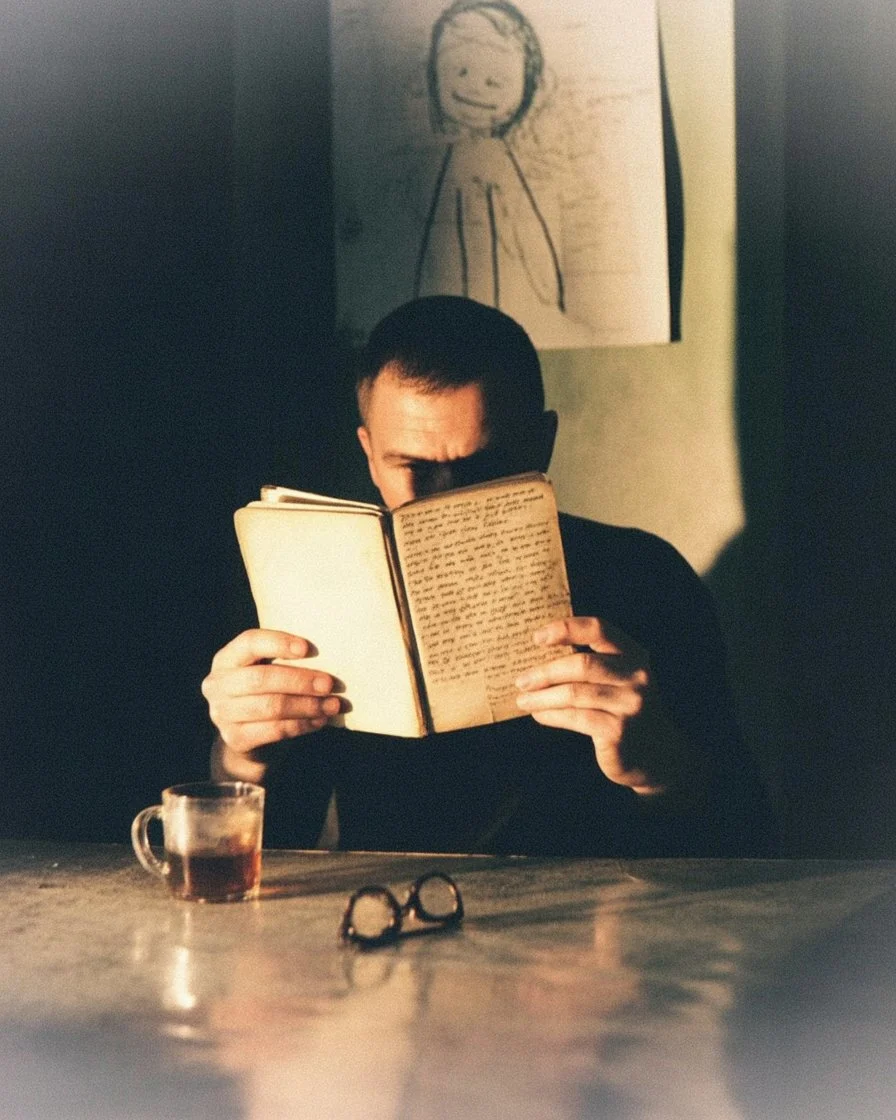
I could draw faces when I was twelve. Not well by professional standards, but with something more valuable than technique: absolute faith in my ability to capture what I saw. My notebooks were filled with portraits of classmates, teachers, strangers glimpsed on buses.
Then someone mentioned that noses were hard to draw correctly, and suddenly I saw everything wrong with my attempts. The natural confidence collapsed under the weight of awareness.
This is how childhood talents die: not from lack of ability, but from the gradual introduction of doubt, comparison, and the adult obsession with being good at things rather than simply doing them.
I watch Arash build elaborate stories from simple toys, creating entire worlds with voices, plotlines, and emotional depth. He’s a natural storyteller, completely absorbed in his narratives. But already I can see him becoming self-conscious when adults listen, editing his imagination to match what he thinks we want to hear.
The sadness isn’t that we lost specific skills—drawing, singing, dancing, storytelling. The sadness is that we lost the fearless creativity that made those skills possible, the willingness to express ourselves without permission, without proof of worthiness, without guarantee of success.
As children, we painted because we loved color. We sang because melody felt good in our bodies. We danced because rhythm moved through us like electricity. We created not to impress but to express, not to achieve but to experience joy through making.
Adults told us that talent required training, that expression needed technique, that creativity should serve purposes beyond pleasure. Gradually, we learned to judge our output rather than enjoy our process, to compare our attempts rather than celebrate our courage.
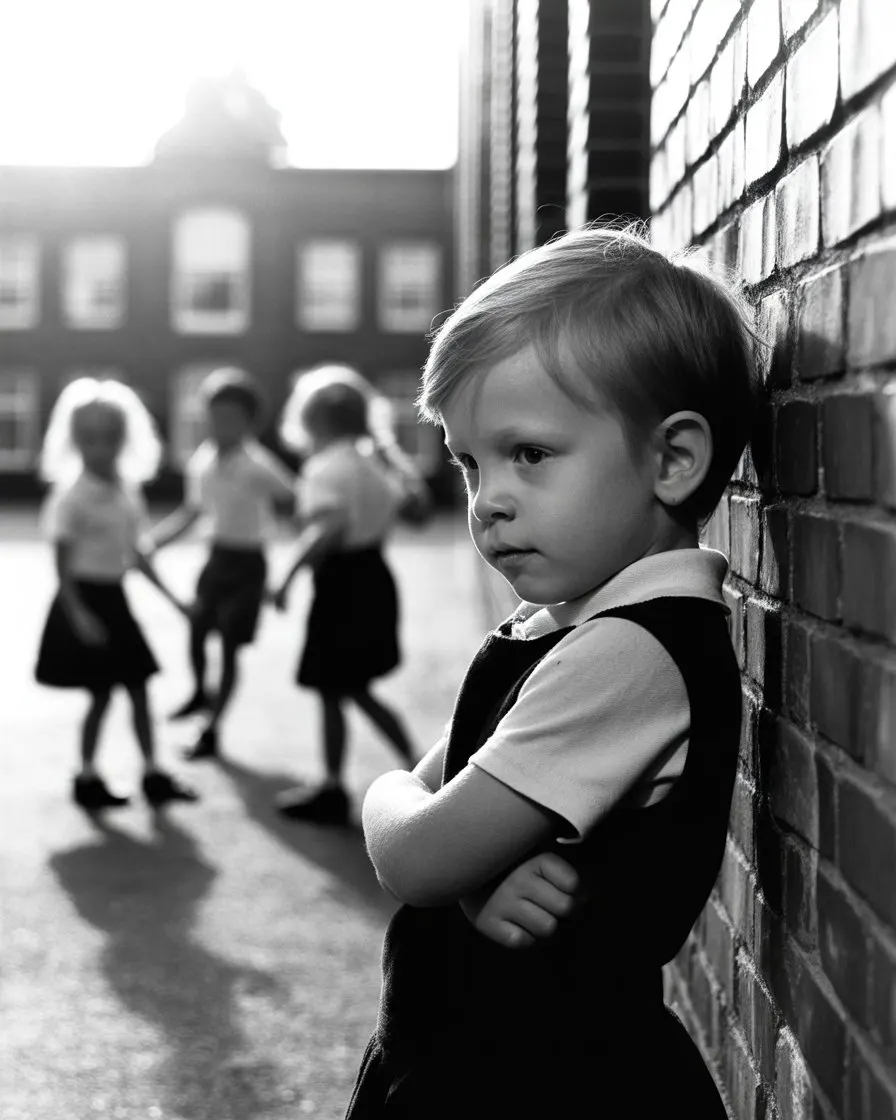
The abandoned talents haunt us in quiet moments. I see someone sketching in a café and remember the drawings that once flowed from my pencil without effort. Happy mentions she used to sing constantly as a child, humming through every activity, until someone told her she was off-key and she gradually fell silent.
These lost abilities represent more than missed opportunities—they’re evidence of a natural state we once inhabited, where expression was as natural as breathing, where creativity was play rather than performance.
Perhaps the real tragedy isn’t that we’re not professional artists, but that we’ve forgotten how to be amateur humans who create for the simple joy of creating.

Leave a thought