
Where We Live Now: The Comfort of Familiar Screens
There’s a peculiar comfort in opening my laptop and seeing the same desktop wallpaper, the same arrangement of icons, the same bookmarks bar that has remained unchanged for three years. This digital space feels more familiar to me than some physical rooms I’ve lived in. The muscle memory of navigating my phone, the automatic opening of certain apps, the predictable sequence of checking email, messages, and notifications—these have become the rituals of home.
We’ve created digital dwellings without realizing it, virtual spaces that provide the psychological comfort traditionally found in physical environments. My inbox feels like a room I enter daily, my social media feeds like neighborhoods I regularly visit, my cloud storage like an attic where I keep things I might need someday but probably won’t.
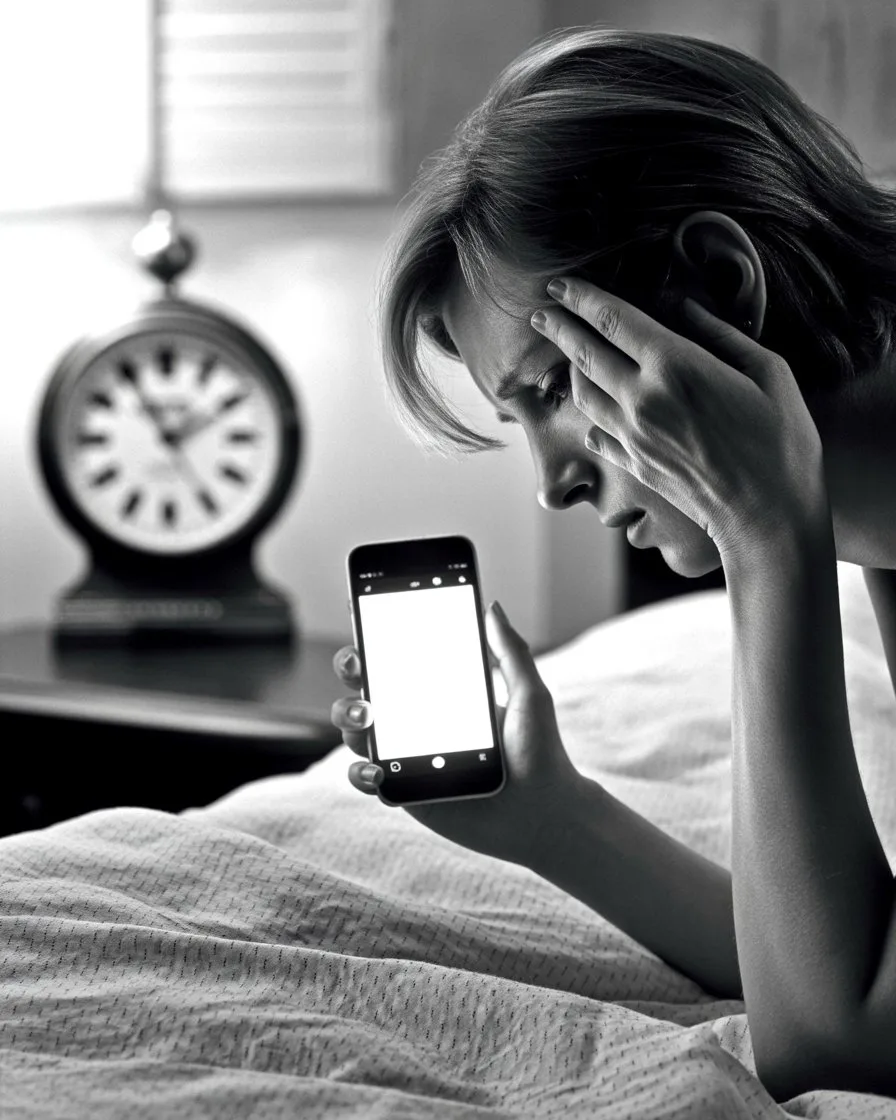
The comfort is real and strange. There’s something deeply soothing about the predictable glow of my phone screen at 6 AM, the familiar layout of apps I’ve organized and reorganized to match my daily patterns. This device knows my preferences better than some of my relatives—it knows I check weather before news, that I read messages but often don’t reply immediately, that I take photos but rarely organize them.
I think about how we’ve transferred ancient human needs for shelter and territory into digital space. My Twitter feed is curated like a living room, filled with voices I want to hear regularly. My YouTube recommendations have become like having familiar neighbors who always have something interesting to share. My Spotify playlists are emotional rooms I can enter when I need specific feelings—one for nostalgia, one for focus, one for the kind of melancholy that sometimes feels necessary.
Happy has her own digital territories. She’s created a Pinterest board that feels like the home she wishes we could afford, filled with kitchen designs and garden ideas that represent her dreams made visual. Her Instagram follows are carefully chosen—food bloggers, plant enthusiasts, friends from childhood. She’s built a digital environment that reflects her actual interests, not the algorithmic suggestions designed to maximize her engagement.
The strangeness deepens when I realize I feel homesick for digital spaces when I’m away from them. Being without my phone creates a specific kind of displacement, like being locked out of my own house. The anxiety isn’t just about missing information—it’s about being cut off from spaces that have become integral to my sense of place in the world.
Arash is growing up native to this digital domesticity. He navigates between apps the way I navigated between rooms as a child, each serving a different function in his daily life. His games are like toys he never has to put away, his educational apps like tutors who never get tired of answering questions. For him, digital space isn’t an addition to real space—it’s simply part of the architecture of existence.
But there’s something potentially troubling about finding such comfort in spaces we don’t control. My digital home exists at the pleasure of corporations who can change their terms of service, algorithms that can shift without notice, platforms that can disappear overnight. The bookmark I’ve clicked thousands of times could lead nowhere tomorrow. The app I rely on for daily organization could be discontinued without my consent.
I’ve watched people grieve when social media platforms shut down or significantly change, mourning not just the loss of content but the destruction of spaces where they felt at home. It’s a uniquely modern form of displacement—being evicted from territories that existed only in servers, losing communities that existed only in code.
Yet the comfort persists because these digital spaces serve real psychological needs. They provide predictability in an unpredictable world, control in environments where we often feel powerless, customization in a mass-produced society. We can arrange our digital environments in ways that physical reality rarely allows—surrounding ourselves with exactly the voices, images, and information that match our current emotional needs.
The familiar digital spaces also create continuity across physical displacement. My phone provides the same comfort whether I’m at home, traveling, or in a completely unfamiliar place. The apps work the same way, the interfaces remain constant, the digital routines continue regardless of geographic location. In a world where people move frequently and family structures change, these digital territories provide a form of portable stability.
I notice how different people create different forms of digital comfort. Some organize their phones obsessively, creating perfect visual order. Others let notifications accumulate, finding comfort in the busy chaos that mirrors their internal state. Some meticulously curate their social media feeds; others enjoy the unpredictable randomness of unfiltered content streams.
The pandemic made this digital domesticity more conscious and necessary. Video call platforms became living rooms where we gathered with distant family. Streaming services became shared recreation spaces. Messaging apps became the kitchen tables where daily life was processed and shared. Digital spaces weren’t substitutes for physical presence—they became extensions of it.
But I wonder about the depth of comfort available in spaces made of light and code. Physical comfort engages all our senses—the smell of home, the texture of familiar furniture, the particular quality of light through known windows. Digital comfort is primarily visual and auditory, lacking the full-body experience of being somewhere real.
Maybe that limitation is also a feature. Digital spaces can provide comfort without the complications of physical maintenance, social obligation, or geographic constraint. They offer controlled environments where we can retreat when the physical world feels overwhelming, customizable sanctuaries we can modify to meet our exact emotional needs.
The danger might be in preferring these controllable digital comforts to the messier, more challenging comforts available in physical relationships and spaces. It’s easier to curate a social media feed than to maintain friendships, simpler to organize a digital desktop than to clean a physical room, more predictable to find comfort in familiar apps than to seek comfort in the unpredictable presence of other people.
Perhaps the strange comfort of familiar digital spaces reflects our deepest human need: to feel at home somewhere, to have territories that recognize us, to exist in environments that adapt to our presence. The medium is new, but the need is ancient.
The question isn’t whether digital comfort is real—it clearly is. The question is whether it supplements or replaces other forms of belonging, whether it enhances our capacity for home or diminishes it, whether these familiar digital spaces help us become more present to life or more absent from it.
In the end, home might not be where the heart is anymore—it might be where the WiFi connects automatically, where our digital spaces remember us, where the interface feels like an extension of our intentions. And maybe that’s not entirely tragic. Maybe it’s just the latest evolution in humanity’s ancient project of making ourselves at home in the world, using whatever tools and territories each era provides.



Leave a thought