

Ajke brishti, tai mon kharab,” Farah said, watching rain blur the window.
Her roommate Mim looked up from her laptop. “It’s just rain.”
“Rain makes me sad,” Farah insisted, as if this explained everything.
But that night, lying awake under clear stars, Farah’s chest felt tight with anxiety that had nothing to do with weather. The sky was perfect. Her mind was storming.
This contradiction bothered her more than it should have. She’d spent twenty-six years blaming her moods on external conditions—rain for sadness, heat for irritability, winter for lethargy. As if her emotional life was just atmospheric response, as if she had no internal climate of her own.
Farah worked at a travel agency, booking other people’s escapes. Her desk faced a window, and she’d developed a habit of checking weather like others checked social media. Rainy days meant coffee sales dropped at the cafe downstairs. Sunny days meant more walk-in customers. She’d built a whole personality around weather dependency.
“You’re so weather-sensitive,” her mother said, not unkindly. As if sensitivity was the problem, not the myth itself.
Her ex-boyfriend Shakil had found it charming at first. “My little weather girl,” he’d called her, back when they’d first started dating. But toward the end, it had irritated him. “It’s always something,” he’d said during their last fight. “Too hot, too cold, too rainy. When are you just… okay?”
She’d blamed that breakup on monsoon season. Easier than admitting they’d been wrong for each other from the start.
Mim was different. Mim’s moods seemed independent of weather, which Farah found both admirable and suspicious. How could someone be cheerful during thunderstorms? How could someone feel melancholy during perfect spring afternoons?
“Don’t you feel it?” Farah had asked once during a particularly gloomy day. “The rain? Doesn’t it make you feel heavy?”
“Sometimes,” Mim had said. “But sometimes I feel heavy on sunny days too. And sometimes rain feels comforting. It depends.”
“On what?”
Mim had shrugged. “On what’s actually going on inside, I guess.”
The concept felt foreign to Farah. What did that even mean—what’s going on inside? Her inside was her outside. Wasn’t it?
But the sleepless nights under clear skies kept proving her wrong. And the inexplicably good moods during overcast days. And the way certain rainy afternoons felt cozy rather than depressing. The correlation she’d always assumed was falling apart under observation.
She started noticing patterns that had nothing to do with weather. Every third Monday felt heavy, regardless of sunshine. Late afternoons always brought mild anxiety. Mornings after talking to her mother carried a particular weight. None of this showed up on weather apps.
Her colleague Rashed mentioned his therapist one day—casually, like mentioning a dentist appointment. Farah had never considered therapy. What would she even say? “I’m sad when it rains”? That wasn’t a problem; that was just meteorology.
But curiosity won. She made an appointment with Dr. Tahmina, a woman whose office had too many plants and not enough windows.
“Tell me about your moods,” Dr. Tahmina had said during their first session.
“They depend on weather,” Farah explained. “Rain makes me sad. Heat makes me irritable. It’s just how I am.”
“Interesting,” Dr. Tahmina said, in that therapeutic way that meant she found it not interesting at all, but problematic. “Do you ever feel sad on sunny days?”
“Well, yes, sometimes.”
“And good moods during rain?”
“Occasionally.”
“So weather correlates with mood sometimes, but not always?”
Farah had felt defensive. “It’s the main factor.”
“Let’s test that,” Dr. Tahmina suggested. “Keep a mood journal for two weeks. Note your mood and the weather. Let’s see what we find.”
Farah had agreed, certain this would vindicate her theory.
It didn’t.
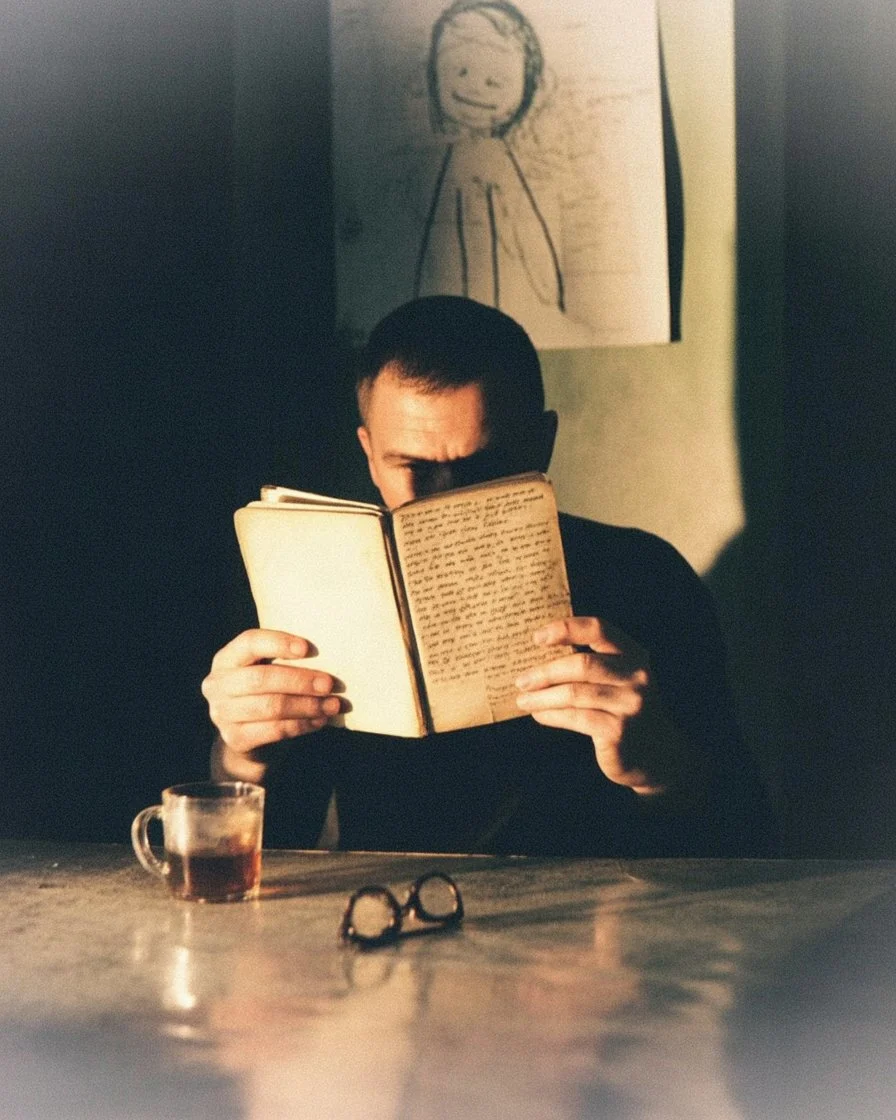
The journal revealed uncomfortable truths. Sunny Tuesday: anxious about presentation. Rainy Thursday: excited about upcoming weekend. Overcast Saturday: peaceful afternoon reading. Bright Monday: crushing loneliness. The weather column and mood column refused to align the way she’d always assumed they did.
“What else was happening those days?” Dr. Tahmina asked during their next session.
Farah looked at her notes. The anxious sunny Tuesday had been before a work meeting where she’d had to present ideas. The peaceful rainy Saturday had been after finally finishing a difficult project. The lonely bright Monday had been an anniversary—one year since Shakil left.
“So your mood responded to internal events,” Dr. Tahmina said gently. “Not weather.”
“But I feel different on rainy days,” Farah insisted.
“Do you? Or do you expect to feel different, and then interpret your mood through that lens?”
The question sat heavy in Farah’s chest, like its own kind of atmospheric pressure.
She started paying attention differently. Noticing her thoughts, not just the sky. Observing the stories she told herself about why she felt certain ways. Catching herself reaching for weather as explanation before considering anything else.
One Thursday, walking to work through drizzle, she felt inexplicably light. Happy, even. Her immediate thought was “this is wrong—I should be sad.” But the happiness persisted, refusing to obey her weather-mood programming.
What had actually made her happy? A good night’s sleep. A text from an old friend. The satisfaction of finishing a difficult booking yesterday. Coffee that tasted exactly right. None of these things had anything to do with precipitation.
She told Mim about this revelation. They were cooking dinner, windows fogged from steam.
“I’ve been blaming weather for my internal weather,” Farah said, chopping onions with unnecessary precision.
“Took you long enough to notice,” Mim said, not unkindly.
“You knew?”
“Farah, you’ve had bad moods on the most beautiful days and good moods during cyclone warnings. The weather thing was just… a story you told yourself.”
“Why didn’t you say something?”
“Would you have believed me?”
Probably not. Some realizations only work when you arrive at them yourself.
Dr. Tahmina introduced new vocabulary. “Internal weather systems,” she called them. Thoughts that spiral like cyclones. Emotions that build like thunderheads. Memories that create their own atmospheric pressure, independent of what’s happening outside.
“You can’t control external weather,” Dr. Tahmina explained. “But you can learn to observe and influence your internal climate. You can notice when storms are building. You can create conditions for clearing.”
This felt both empowering and exhausting. It meant taking responsibility for moods she’d always blamed on the sky. It meant acknowledging agency she’d never claimed.
But it also meant freedom. Weather happened regardless of her needs. But her internal weather? That she could work with.
She learned to recognize her patterns. Late afternoon anxiety wasn’t about the sun’s position—it was about blood sugar and accumulated decision fatigue. Monday heaviness wasn’t about the week starting—it was about unresolved conversations with her mother weighing on her. Post-rain sadness wasn’t about precipitation—it was about rain reminding her of childhood loneliness, playing alone while other kids went outside after storms cleared.
Understanding origins didn’t immediately fix moods. But it changed her relationship with them. Instead of being victim to atmospheric conditions, she became observer of her own complex climate system.
Rashed noticed the shift. “You seem different,” he said one afternoon. “More… present?”
“Just paying attention to different weather,” Farah replied.
He looked confused. Outside, it was raining.
“Internal weather,” she clarified, then immediately felt embarrassed. It sounded silly out loud.
But Rashed nodded slowly. “That makes sense, actually. I get what you mean.”
Maybe everyone had their own version of this. Their own myths about what controlled their moods, their own ways of avoiding responsibility for their internal atmosphere.
Farah still checked weather forecasts. Still preferred sunny days to rainy ones, mostly. But she’d stopped using weather as universal explanation for everything she felt. Stopped surrendering her emotional life to atmospheric conditions that didn’t even know she existed.
One evening, during heavy rain, she felt genuinely content. Not despite the rain, not because of it—just content, independently. She was reading a good book, had spoken to her mother earlier and set a necessary boundary, had finished her work for the day. The rain was just rain. Her contentment was just contentment.
Mim noticed. “You’re smiling.”
“Am I?”
“During rain. It’s character growth.”
Farah laughed. “Maybe I’m becoming a real person. One with internal weather systems.”
“Revolutionary,” Mim said dryly, but she was smiling too.
The next morning was brilliantly sunny. Farah woke up anxious—presentation day at work, plus she’d slept badly. The sunshine felt aggressive, too bright, exposing.
“Sunny day, bad mood,” she muttered, getting dressed.
But this time she knew the truth. The weather wasn’t causing anything. Her anxiety had its own valid reasons—unprepared presentation, too little sleep, general work stress. The sunshine was just coincidental, innocent.
She could work with internal causes. She couldn’t work with weather.
She prepared better for the next presentation. Started sleeping earlier. Learned to say no to projects that didn’t matter. Her mood still fluctuated—she was human, not robot—but the fluctuations made sense now. They had reasons she could understand, address, work with.
Sometimes it still rained outside and inside simultaneously. But now she knew they were different weather systems, following different laws, requiring different responses.
One was physics. The other was human. Learning the difference changed everything.


Leave a thought