
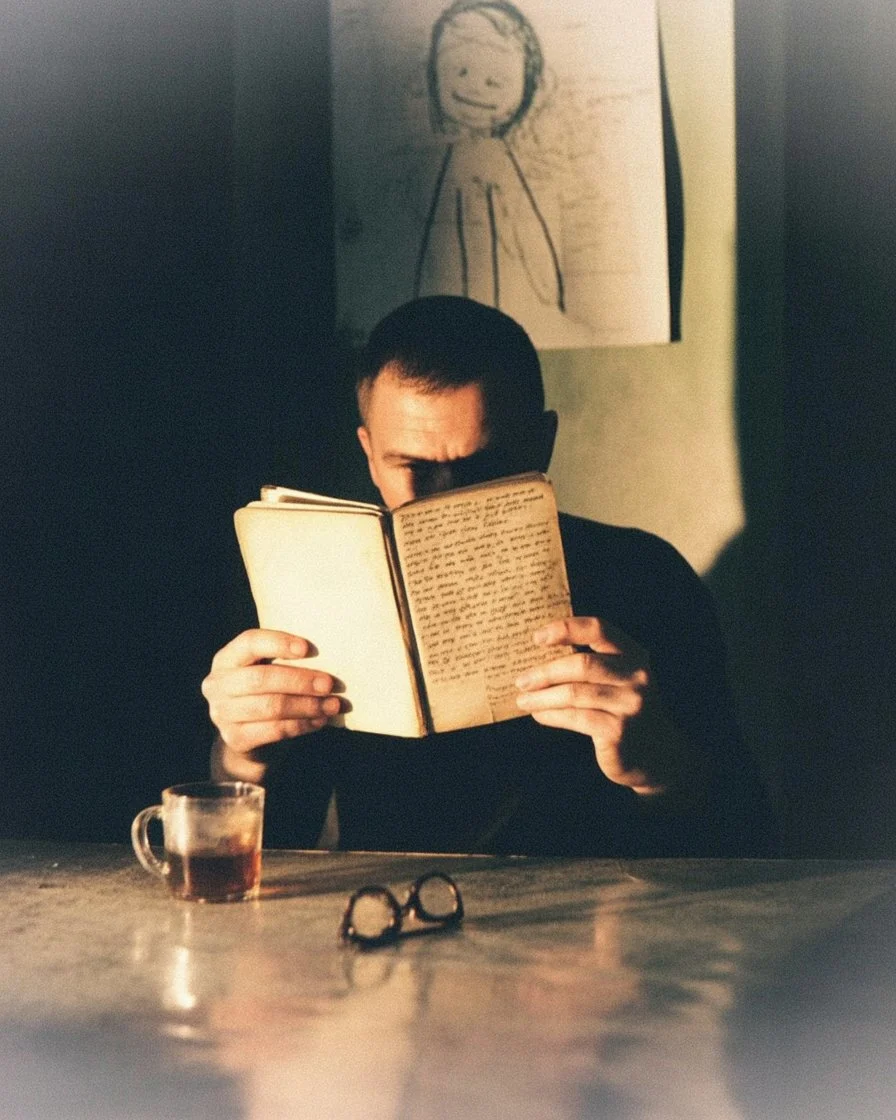
At 3 AM, Karim sat alone in the dark while his wife and son slept in the next room.
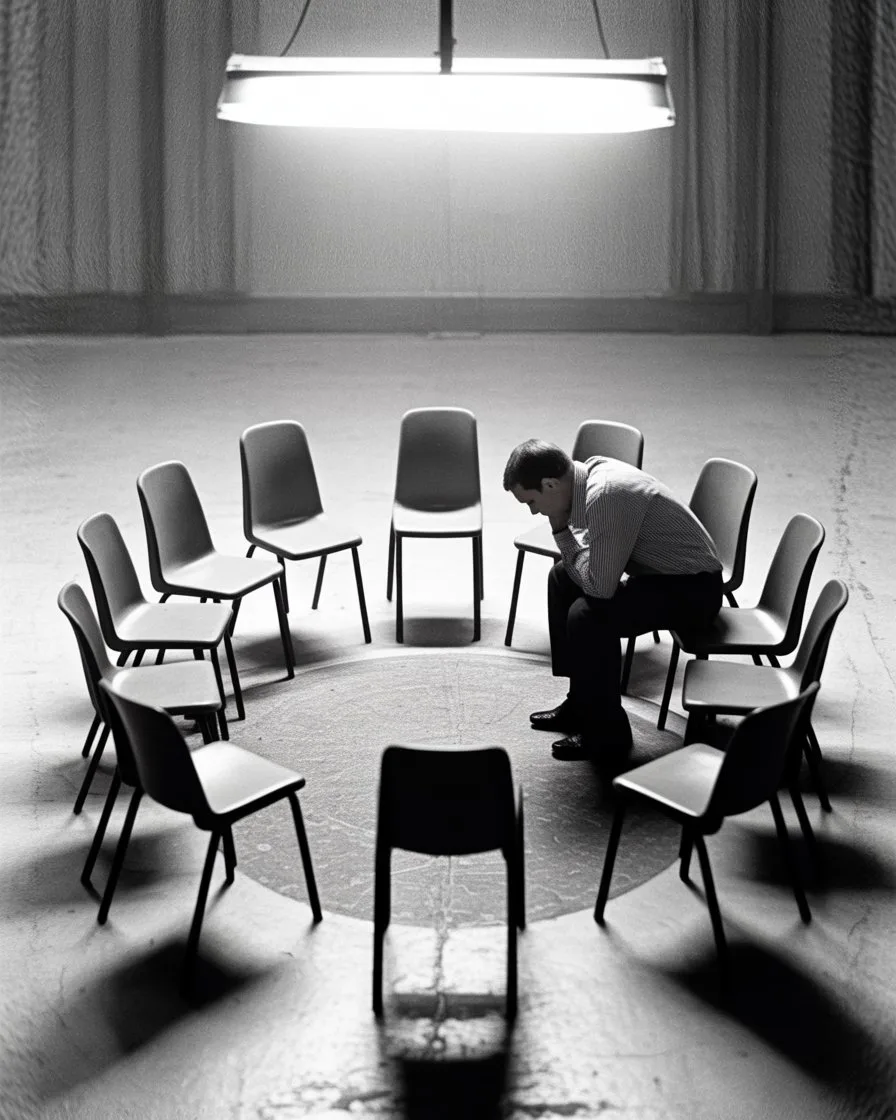
Outside, Dhaka never truly slept—rickshaw bells, distant dogs, the hum of generators. But inside this moment, Karim felt completely, impossibly alone. Not lonely because his family was absent. Lonely because he was awake and conscious while the universe seemed to be dreaming.
He’d been having these nights more frequently. Would wake up suddenly, mind racing, unable to return to sleep. His wife Nabila would stir sometimes, ask “are you okay?” and he’d say “just restless” because how do you explain existential dread to someone who needs to wake up in four hours?
Tonight the loneliness felt particularly acute. He’d been reading about space—articles about distant galaxies, about the sheer vastness of everything. Numbers so large they stopped meaning anything. Billions of stars, trillions of planets, all of it spinning in silence through emptiness that went on forever.
And here he was. A tiny consciousness on a tiny planet, aware of all that vastness, feeling small and alone in a way that stars probably never felt.
Stars didn’t miss each other. Mountains didn’t experience isolation. Only he did. Only consciousness did.
“Why are you sitting in the dark?” Nabila’s voice from the doorway made him jump.
“Couldn’t sleep.”
She came and sat beside him. “What are you thinking about?”
“Space. Consciousness. Whether anything matters.”
“It’s 3 AM. Of course nothing matters at 3 AM.”
He smiled despite himself. “Maybe that’s when we see things most clearly.”
“Or maybe that’s when our brain chemistry is at its worst and we should just go back to sleep.”
Practical Nabila. She had a gift for cutting through his spirals. But tonight even her presence couldn’t quite touch the core of what he was feeling.
“Do you ever feel lonely?” he asked. “Not for company, but… fundamentally lonely? Like you’re the only conscious thing in an unconscious universe?”
Nabila thought for a moment. “Sometimes. Usually when I’m feeding Arash at night and everyone else is asleep. It feels like I’m the only person awake in the world.”
“But you know other people are conscious too. You trust that.”
“Of course.”
“But you can’t actually know it. Not the way you know you’re conscious. You experience your own awareness directly. Everyone else’s consciousness is just… assumed.”
“Are you having a philosophy crisis or an anxiety attack? Because the treatment is different.”
He laughed softly. “Maybe both.”
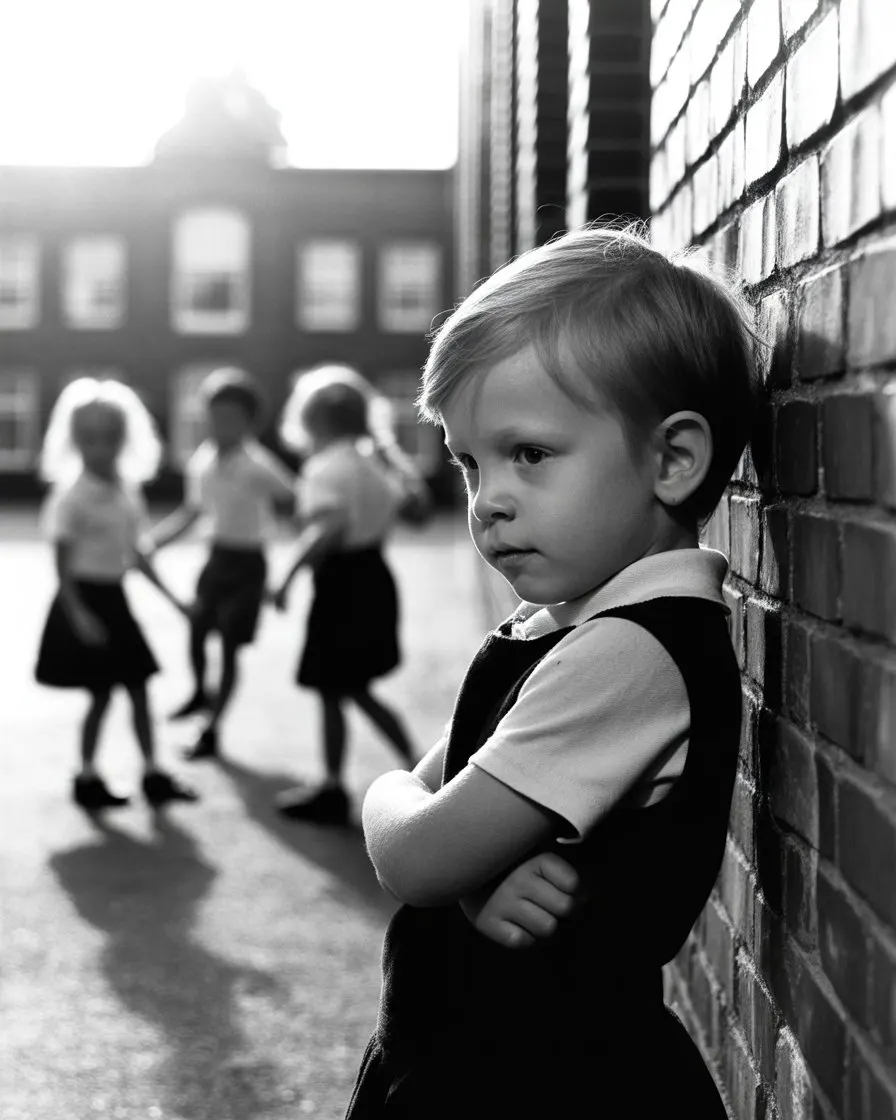
The truth was, this had been building for weeks. Ever since Arash was born, actually. Watching his son sleep, so peaceful, so unaware of his own existence yet. Karim kept thinking: one day this child will wake up to his own consciousness. Will realize he’s a separate being in a vast universe. Will feel this same loneliness.
Was that a gift or a curse? To be aware?
His friend Rashid had converted to a more devout practice of Islam last year. Prayed five times daily without fail, read Quran every morning, seemed to have found peace in submission to Allah.
“I don’t feel lonely anymore,” Rashid had told him over tea. “I feel accompanied. Allah is always present.”
Karim envied that certainty. He believed in Allah—or wanted to—but his belief came with questions. Did Allah experience loneliness before creating conscious beings? Was creation an act of cosmic companionship, the universe trying to not be alone with itself?
“You’re doing it again,” Nabila said. “I can hear you thinking from here.”
“Sorry.”
“Don’t be sorry. Just tell me what’s actually bothering you.”
He tried to put it into words. “I keep thinking about consciousness. About how unlikely it is. All these atoms and molecules arranged just right to create… awareness. The ability to know we exist. To feel lonely about existing.”
“And?”
“And what if it’s all accident? What if consciousness is just a fluke? Complexity emerging from simplicity without any purpose or meaning behind it?”
“Would that make it less valuable?”
“Maybe. If we’re just cosmic accidents, then all our meaning-making, all our love and art and philosophy—it’s just atoms moving around in patterns they don’t intend.”
Nabila was quiet for a long moment. Then: “Arash’s smile is atoms moving in patterns. Does that make it less beautiful?”
“That’s different.”
“Is it? You’re so worried about whether consciousness has cosmic purpose that you’re missing the fact that consciousness creates its own purpose. Arash exists because we chose to create him. That’s not cosmic accident—that’s intention.”
Karim thought about this. Maybe she was right. Maybe the universe didn’t need to intend consciousness for consciousness to matter.
But the loneliness remained. This feeling of being the only witness to his own witnessing.
“I think I create gods for company,” he said quietly. “Not just Allah—though maybe Allah too—but all the meaning I assign to things. All the purpose I imagine behind events. It’s all just… trying to not be alone.”
“Everyone does that.”
“Everyone feels this lonely?”
“Probably. They just don’t talk about it at 3 AM in the dark.”
He smiled. “Fair point.”
His father had died last year. In those final weeks, sedated and drifting, Karim had wondered what consciousness felt like when it was fading. Was his father lonely in there? Did he still experience that fundamental aloneness of being the only person inside his own awareness?
The night his father died, Karim had felt an odd sensation. Not just grief, but a kind of cosmic loneliness. Another consciousness had winked out. Another point of awareness had disappeared from the universe.
How many had existed across all time? How many conscious beings had lived and died, each one experiencing this same isolated awareness, this same inability to truly share consciousness with another?
“You know what’s weird?” Nabila said. “We all share this loneliness. Every conscious being feels it. But somehow that doesn’t make us less alone.”
“Exactly. That’s exactly it.”
“So maybe that’s the answer. We’re alone together. That’s as good as it gets.”
In the next room, Arash made a small sound in his sleep. Both of them turned toward it, instinctive parent reflex.
“He doesn’t know yet,” Karim said. “Doesn’t know he’s conscious. Doesn’t know he’s alone.”
“He will. And he’ll be okay. Like everyone else.”
“What if consciousness is more burden than gift?”
“Then why do people fight so hard to stay alive? Why do we fear death so much? If consciousness was pure burden, we’d welcome its ending.”
Another good point. Why did consciousness cling to itself so desperately if it was terrible?
Maybe because despite the loneliness, despite the existential weight, consciousness offered something irreplaceable. The ability to witness beauty. To create meaning. To love and be loved, even if that love couldn’t fully cross the gap between separate awarenesses.
“I was thinking earlier,” Karim said, “that maybe consciousness exists to witness the universe. Maybe we’re the cosmos’s way of not being alone with itself.”
“Poetic.”
“You think it’s stupid.”
“No. I think it’s 3 AM philosophy. Neither stupid nor profound. Just thoughts that feel important because you’re tired.”
But Karim wasn’t sure. Maybe these late-night thoughts weren’t just brain chemistry. Maybe consciousness really did serve some purpose, even if accidental.
The stars didn’t know they were beautiful. Mountains didn’t appreciate their own majesty. Only conscious beings could witness and appreciate and create meaning from raw existence.
Without consciousness, the universe would unfold in absolute solitude. All that beauty, all that complexity, all those atoms arranging themselves into stunning patterns—and no one to see it.
Maybe that was enough. Maybe consciousness didn’t need cosmic intention or divine purpose. Maybe being the universe’s witness—being the part that could experience loneliness and wonder and love—maybe that was sufficient.
“I think I’m ready to sleep now,” Karim said.
“Good. Because I have to be up in three hours and you’re keeping me awake with your existential crisis.”
They walked back to the bedroom together. Arash was sprawled across the bed, taking up far more space than a three-year-old should be able to occupy.
“He’ll grow up and feel this too,” Karim whispered. “This loneliness.”
“Yes. And he’ll also feel joy. Wonder. Love. All the things that make consciousness worthwhile.”
They carefully moved Arash to his own bed. The boy didn’t wake, just sighed and rolled over, still dreaming.
Karim watched his son’s peaceful face. In a few years, Arash would wake up to his own consciousness. Would realize he was separate from everything else. Would experience that fundamental aloneness.
But he’d also experience everything else. The first time he understood a joke. The first time he created something beautiful. The first time he fell in love. All the peculiar gifts that came with awareness.
Maybe consciousness was both burden and blessing. Maybe the loneliness was the price paid for the wonder.
Karim lay down beside Nabila. She was already half-asleep, breathing slow and steady.
He thought about all the other conscious beings in the world right now. Some sleeping, some awake. Each one alone inside their own awareness, unable to truly share consciousness with another. Each one witnessing their own small piece of the universe.
All of them lonely. All of them together in that loneliness.
Outside, Dhaka continued its perpetual hum. Millions of consciousnesses, each one isolated and connected simultaneously. Each one experiencing this strange condition of being aware in a universe that might not have intended awareness at all.
Karim closed his eyes. Tomorrow he’d wake up and do normal things—go to work, play with Arash, talk to Nabila. The existential questions would fade into background noise, manageable, ignorable.
But they’d return. Probably at 3 AM. Probably in the dark.
And maybe that was okay. Maybe questioning was part of consciousness’s job. Maybe the loneliness and wonder and confusion were all evidence that something rare and precious existed—that in all the vast emptiness, something had learned to be aware of the emptiness.
Something could feel lonely about cosmic solitude.
And somehow, impossibly, that was enough.

Leave a thought