When We Trust Screens Over Stethoscopes
I avoid the doctor’s office for six months. But I consult Dr. Google every day.
This strange reversal of trust. I fear the person with a medical degree and stethoscope. Yet I believe anonymous websites that turn my headache into a brain tumor.
The internet never judges my procrastination. Never prescribes tests I can’t afford. Never delivers news I don’t want to hear.
WebMD doesn’t wear a white coat that reminds me of hospitals and mortality. It doesn’t have waiting rooms filled with coughing people. No receptionists who know my insurance is complicated. No forms asking about family medical history that depresses me to fill out.
The screen doesn’t rush me through symptoms in a fifteen-minute appointment. Doesn’t suggest lifestyle changes that require admitting my failures. “You need to lose weight.” “You should exercise more.” “Stop eating so much fried food.”
I know these things. Don’t need a doctor to tell me. Don’t want to sit in that sterile room and hear what I already know but haven’t done.
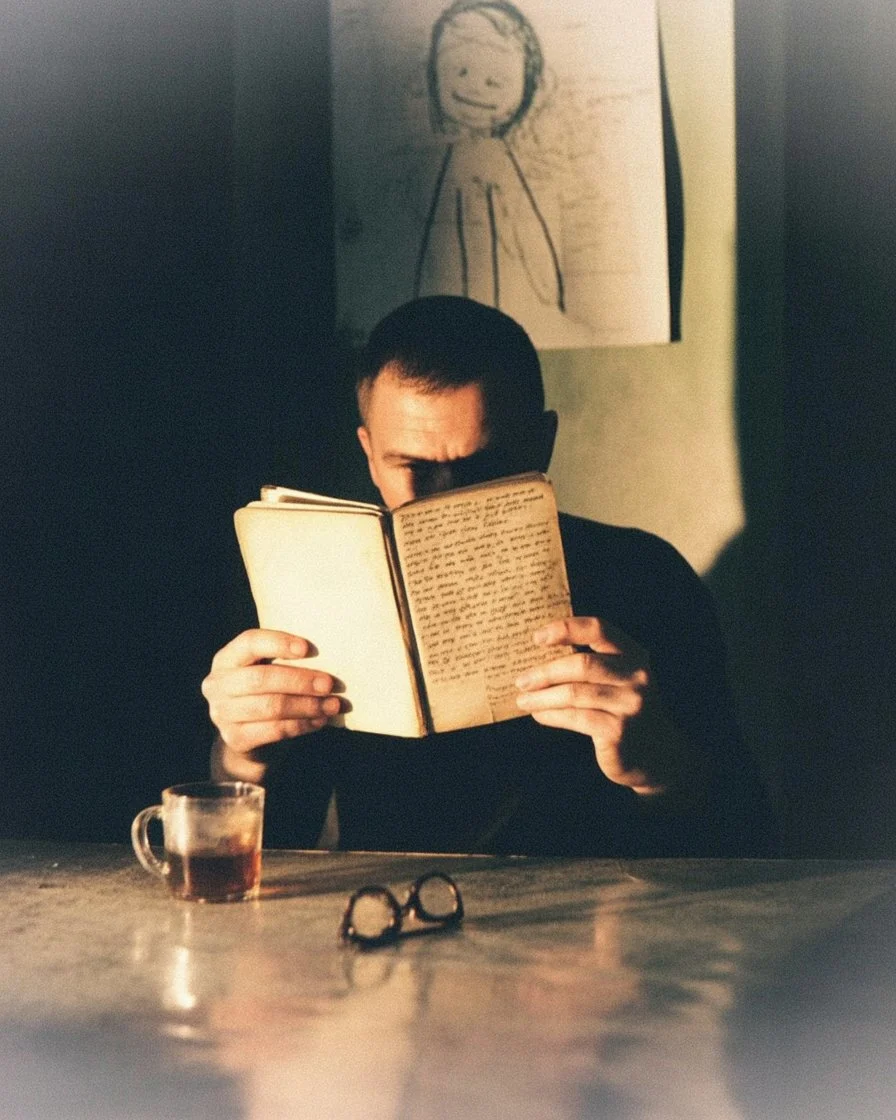
Online diagnosis feels like control. I can research at 3 AM in my pajamas. Click through symptoms without human witness. No one judging. No one seeing my fear. No one knowing I’ve been worried about this for weeks.
The internet lets me be my own medical detective. Gathering evidence. Reading case studies. Comparing my symptoms to thousands of others. Building a case for conditions I hope I don’t have but am certain I do.
“Persistent headache.” Search. “Accompanied by fatigue.” Search. “And occasional dizziness.” Search.
Brain tumor. Definitely brain tumor. Or maybe aneurysm. Could be MS. Possibly meningitis.
The internet offers a buffet of catastrophes. I sample them all. Convince myself of each one in turn. Spend hours reading about diseases I can’t pronounce, looking at medical images that make my stomach turn.
But here’s the thing about Dr. Google: it’s a terrible physician.
It lacks human intuition. Can’t feel the lymph node’s texture or hear the heart murmur’s subtlety. Can’t look at my face and see something worrying beyond the symptoms I describe. Can’t say, “You look fine,” with the authority that comes from having examined ten thousand patients.
The internet offers probability without presence. Information without wisdom. Data without diagnosis.
It tells me what might be wrong. Never what probably is. Always worst-case scenarios because those get clicked more. Generate more fear. More searches. More ad revenue.
My wife watches me do this. “Just go to the doctor,” she says for the hundredth time.
“I will,” I say. “Soon. Just want to understand what might be wrong first.”
But that’s a lie. I’m not trying to understand. I’m avoiding. Procrastinating. Hiding behind my screen because the doctor’s office requires something the internet doesn’t.
Vulnerability.
The doctor’s office requires stripping down. Literally and figuratively. Wearing that thin gown that doesn’t close properly. Sitting on the examination table with my legs dangling like a child. Admitting weakness. Admitting fear. Trusting someone else’s judgment about my most personal possession—this body.
The internet asks nothing but search terms. I remain clothed. Remain in control. Remain the expert on my own body even when I don’t know what I’m talking about.
Yet every avoided appointment makes the eventual visit more frightening.
Procrastination transforms minor concerns into major anxieties. The headache that might have been tension becomes a tumor in my mind. The fatigue that might have been poor sleep becomes a degenerative disease. The occasional dizziness becomes proof of something catastrophic.
The longer I wait, the more convinced I become that something terrible lurks behind my symptoms. Because if it were nothing serious, wouldn’t it have gone away by now? The fact that it persists must mean something bad. Must mean I was right to worry. Must mean Dr. Google’s worst predictions are coming true.
The irony doesn’t escape me. I trust the internet precisely because it can’t actually help me.
It provides the illusion of knowledge without the responsibility of action. I can research forever. Read indefinitely. Learn everything about diseases I may or may not have. Feel like I’m doing something while actually doing nothing.
Real medical care demands more. Follow-through. Blood tests. Lifestyle changes. Accepting limitations I’d rather not acknowledge. Maybe medication with side effects. Maybe procedures that scare me. Maybe news that changes everything.
The internet lets me stay in limbo. Worried but not diagnosed. Concerned but not committed. Afraid but not acting.
My friend Rahman went through this. Avoided doctors for a year while his symptoms got worse. Finally went when he couldn’t ignore it anymore. Stage 2 cancer. Could have been Stage 1 if he’d gone six months earlier.
He tells me this now, after treatment, after recovery. “Don’t be like me,” he says. “Don’t let fear of knowing stop you from finding out.”
But knowing is what I fear most. Not the disease itself—the knowledge of it. The moment the doctor says something that makes my condition real. Official. No longer just an anxiety I can research away.
Right now, in this limbo, I might be fine. Or I might not be. Both possibilities exist simultaneously. Like Schrödinger’s patient. The appointment is the moment the box opens. The moment of truth.
And what if the truth is bad? What if Dr. Google was right? What if the worst-case scenario is actually my case?
Better not to know. Better to stay in possibility. Better to research and worry than to discover and face.
Except it’s not better. It’s worse. Much worse.
The anxiety of not knowing is its own disease. It colors every day. Every headache becomes evidence. Every moment of fatigue confirms my fears. Every symptom, however minor, feeds the catastrophe machine in my mind.
I’m living as if I have the worst diagnosis without the benefit of treatment. Suffering without healing. Worrying without resolution.
Tonight, my daughter asks why I look so worried. “Just tired,” I say.
But she knows better. She’s seen me on my phone, reading medical sites. She’s heard me sigh when symptoms persist. She’s watching me avoid the thing that could help.
“Papa, just go to the doctor,” she says. “Please.”
She’s twelve. Should be worrying about homework and friends. Not her father’s health. Not whether he’s brave enough to make a simple appointment.
And suddenly I see it clearly. My avoidance isn’t just hurting me. It’s teaching her that fear is stronger than reason. That procrastination is acceptable. That hiding from problems is better than facing them.
I’m showing her how to be afraid. How to let anxiety win. How to trust screens over professionals, speculation over diagnosis, comfortable lies over difficult truths.
This isn’t the lesson I want to teach. Isn’t the father I want to be. Isn’t the example I want to set.
Tonight, finally, I open my laptop. Not to search symptoms. To book an appointment.
The doctor’s website is straightforward. Name. Date of birth. Symptoms. Available times.
I select next Tuesday. 2 PM. Click confirm before I can change my mind.
Confirmation email arrives. Appointment booked. No more excuses. No more procrastination. No more hiding behind Dr. Google’s terrible bedside manner.
Relief floods through me. Mixed with fear, yes. But relief stronger than fear. Because action, even scary action, feels better than paralyzed avoidance.
The headache might be nothing. Probably is nothing. Tension. Stress. Poor sleep. All the boring, treatable causes I’ve been ignoring while imagining dramatic diagnoses.
Or it might be something. Something requiring attention. Treatment. Care. But at least I’ll know. At least I’ll be moving toward healing instead of circling in anxiety.
Because here’s what six months of Dr. Google taught me: the internet is good for many things. But it cannot replace presence. Cannot substitute for professional judgment. Cannot provide the human wisdom that comes from training and experience and actually looking at the patient in front of you.
Dr. Google offered information. The doctor will offer care. The difference matters more than I wanted to admit.
My wife sees the confirmation email on my screen. Sees the appointment time. Sees that I finally did it.
She doesn’t say “I told you so.” Just squeezes my shoulder. “I’ll come with you if you want.”
I do want. Want her presence. Want her hand to hold in the waiting room. Want her to hear what the doctor says in case my fear makes me forget.
Want to stop being alone with my anxiety. Stop being trapped with Dr. Google’s worst predictions. Stop living in the catastrophic possibility instead of the actual present.
Tuesday is five days away. Five days of waiting. Five days of wondering. Five days where Dr. Google will probably call me back with new theories and terrible diagnoses.
But this time I won’t answer. This time I’ll wait for the real doctor. The one with training and intuition and the ability to say, “It’s probably nothing, but let’s make sure.”
The internet can’t say that. Can’t offer that reassurance. Can only offer endless information and escalating fear.
Tonight I close my laptop. Stop searching. Stop reading. Stop feeding the anxiety that’s kept me paralyzed for six months.
The appointment is made. The step is taken. The avoidance is ending.
Despite its flaws, professional medicine offers something the internet cannot: the possibility of actual healing.
Not just information. Not just speculation. But diagnosis, treatment, care. Real solutions to real problems from real humans who’ve dedicated their lives to understanding the body and its infinite ways of breaking and healing.
Five days. Then I’ll know. For better or worse, I’ll know.
And knowing, however scary, beats this endless not-knowing. This terrible limbo where Dr. Google is my only consultant and catastrophe my only diagnosis.
The doctor will see me Tuesday. Finally. After too long. After too much fear. After too many searches that led nowhere but deeper into anxiety.
And maybe—probably—I’ll walk out with good news. With reassurance. With simple solutions to problems I’ve built into mountains.
Or maybe not. Maybe it will be serious. But at least I’ll know. At least I’ll be facing it. At least I’ll be doing something real instead of something digital.
The screen goes dark. The appointment stands. Tuesday waits. And for the first time in six months, I feel something other than fear.
Hope. Small but real. That the actual doctor will be better than the internet doctor. That presence beats pixels. That healing begins not with searching but with showing up.
Five days. I can wait five days.
I’ve waited six months. What’s five more days?
The difference is—this time I’m waiting for help, not avoiding it. This time the wait ends in action, not more searching.
This time, finally, I’m choosing healing over fear.


Leave a thought