
Kamal’s driving test failure streak hit seven before his sixty-third birthday.
The eighth time, he passed. Not because his three-point turns improved—his neighbors could confirm they hadn’t—but because the examiner, a weary woman with kind eyes, finally said, “Sir, I think you’ve earned this.”
I was waiting outside that morning, watching him emerge clutching the certificate like it might dissolve. His hands trembled.
“Why are you shaking?” I asked. “You passed.”
“Maybe that’s why,” he said quietly.
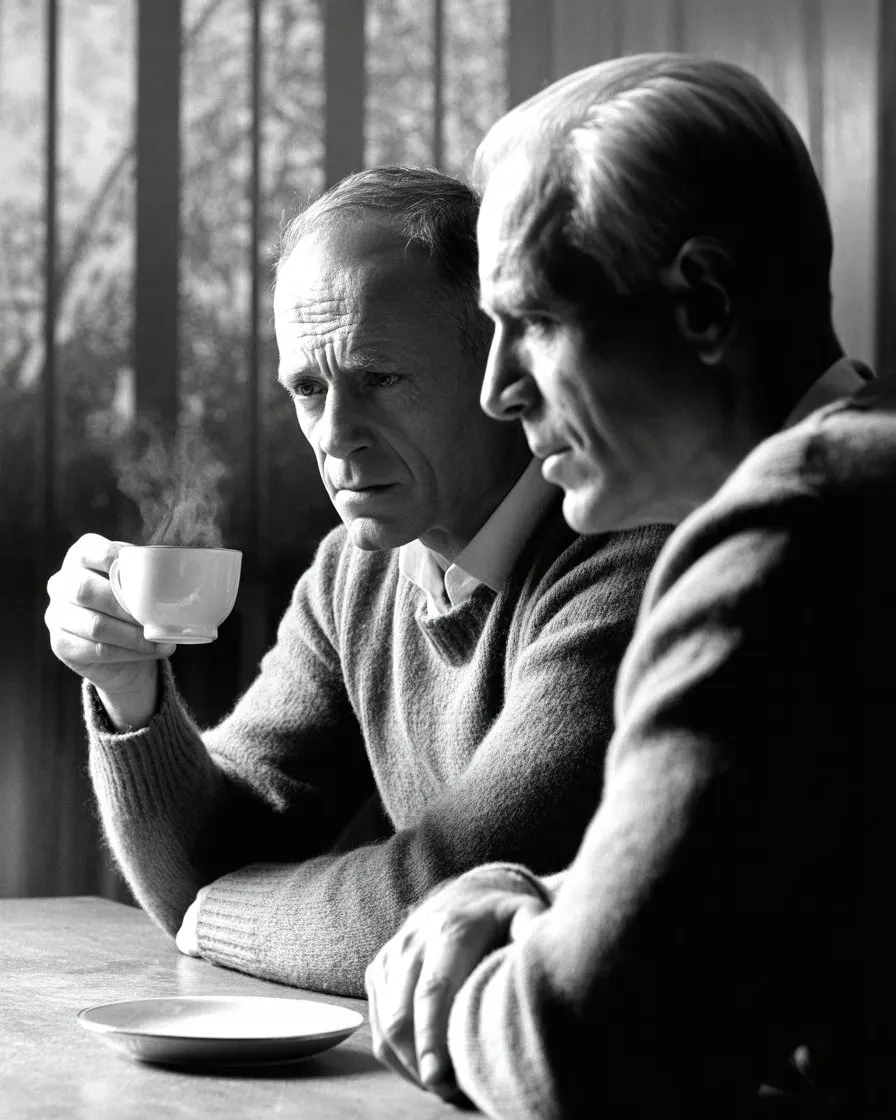
We found a roadside tea stall. Kamal ordered without asking what I wanted—two cups, some chanachur neither of us would finish. The morning had that rare Dhaka chill that makes you pull your shawl tighter. Steam curled up from our glasses.
“Want to know what I learned?” he said, stirring sugar that had already dissolved.
I waited.
“Nothing about driving. I still reverse like I’m drunk.” He smiled slightly. “But I learned I could be terrible at something and still show up tomorrow.”
Kamal taught history for thirty-nine years. Students spoke of his red pen the way you’d speak of a natural disaster. He’d never failed anything himself—distinctions in every exam, medals in debate, first-class degree. Then his daughter moved to Canada, his wife’s heart gave out at fifty-eight, and suddenly he was alone in an apartment that echoed.
“I needed to fail,” he told me. “Sounds mad, doesn’t it?”
It didn’t. My own failure was three months old then, still raw. I’d been writing for a newspaper—the careful kind of writing where every comma had a reason. My editor’s last email was brief: “Your pieces are perfect and perfectly forgettable.”
They let me go on a Wednesday. “Restructuring,” they called it. Everyone knew better. I’d done everything right—checked facts twice, met every deadline, never let opinion creep in. Yet somehow I’d failed at the only thing that mattered: making anyone care enough to finish reading.
“Your problem,” Kamal said, “is thinking failure means you did something wrong.”
“Didn’t I?”
“Maybe. Or maybe you did everything right for the wrong reasons.” He finished his tea in one long swallow. “I taught history for thirty-nine years. Want to know how many students actually loved the subject after my class?”
I waited.
“Four. I counted. Four who genuinely cared about dates and dead kings. The rest memorized, passed, forgot.” He smiled, but it was the kind of smile that carries weight. “I did everything by the book. Lesson plans typed up, questions prepared, fair marking. And I failed the ones who mattered most.”
The tea stall owner’s son arrived with fresh milk in steel containers. The sound of pouring was rhythmic, almost musical.
“After Nasreen died,” Kamal continued, “I kept thinking about those students. The red marks I’d made. The ‘See me after class’ notes that felt like death sentences to them. I’d made them afraid of being wrong.”
“You were teaching them history.”
“No,” he said firmly. “I was teaching them that mistakes were shameful. That’s worse than teaching them nothing at all.”
A rickshaw-puller stopped nearby, bought tea, drank it standing. His face had that particular tiredness that comes from honest work. He looked content anyway.
“So I decided to learn something I’d be terrible at,” Kamal said. “Driving seemed right. Sixty-two years old, lived my whole life in rickshaws and buses. Couldn’t tell brake from accelerator.”
His first instructor quit after three lessons. The second lasted five weeks before citing “family emergencies.” The third simply stopped picking up calls.
“Each time I failed that test,” he told me, “I’d go home and sit in Nasreen’s chair—the cane one by the window—and think: this is what they felt. My students. This crushing certainty that you’re stupid, that everyone knows it.”
“And that helped?”
“Immensely.” He signaled for more tea. “Because the next morning, I’d wake up and nothing had ended. Sun rose anyway. Crow still sat on the window ledge cawing like an idiot. My failure hadn’t destroyed the world.”
I thought about my own mornings after losing the job. Waking up expecting apocalypse, finding only normal daylight. Rice still needed cooking. Bills still arrived. Life rolled on with indifferent momentum.
“Success teaches you nothing new,” Kamal said. “Just confirms what you already believed about yourself. But failure—failure shows you who you are when your story falls apart.”
A schoolboy walked past, shoulders bent under his backpack’s weight. Probably heading toward an exam he hadn’t studied for. I remembered that feeling.
“I want to teach again,” Kamal said suddenly.
“Really?”
“Differently, though. I want to teach them it’s okay to get the answer wrong. That showing your thinking matters more than the final answer. That struggling means learning, not stupidity.” He touched his driving license, still new and stiff. “I want them to know failure isn’t success’s opposite—it’s the entrance fee.”
My tea had gone lukewarm. I drank it anyway.
“What about you?” he asked. “What now?”
“Write differently, maybe. Like I’m talking to a friend instead of filing a report.”
“Will you be good at it?”
“Probably not. Not at first.”
He smiled—genuinely this time, eyes crinkling. “Perfect. That means you’re actually learning something.”
We left as the morning rush began. Office workers flooded the streets, each carrying their small dramas and victories and quiet defeats. Kamal walked slowly, like someone who’d stopped rushing years ago.
“That examiner, the kind one,” he said as we parted, “she told me something interesting. Said people who fail the test first usually become better drivers later. They know what can go wrong. They’re scared in the useful way—careful, alert, humble.”
“Is that true?”
He shrugged. “No idea. I still can’t parallel park to save my life. But I like believing it.”
I watched him walk away, an old man with a new license and seven failures tucked in his pocket like talismans. He moved through the crowd differently now—no longer apologizing for existing.
That afternoon, I started writing this. Took me fourteen tries before I stopped trying to sound intelligent and started trying to sound true. Each failed draft taught me what the final version couldn’t: how to listen, how to feel, how to stop being the writer I thought I should be.
Kamal called last week. He’s tutoring now—small center, eight students, no red pens allowed. When students get answers wrong, he says, “Excellent! Now we know what doesn’t work. Let’s find what does.”
His students love him.
He still can’t parallel park.
But he shows up every day anyway, and somehow that’s become enough.


Leave a thought