
Stop Editing Your Past, Start Writing Your Future
I had spent years as the most dedicated editor of my own history, working overtime to revise what couldn’t be revised, to polish chapters that were already published, to footnote events with explanations that would somehow change their meaning. I was a master of retroactive justification, skilled at reframing past choices to make them seem wiser than they were, more intentional than they had been.
But this morning, staring at a blank document on my computer screen with a deadline approaching and a story to tell, I realized I had been so busy editing the past that I had forgotten how to write the future.
The work of rewriting history is exhausting because it’s fundamentally impossible. The words are already on the page, the ink has dried, the story has been read by everyone who was there when it happened. No amount of mental revision can change what actually occurred, what was actually said, what was actually chosen or not chosen.
Yet I had become a compulsive historian of my own mistakes, constantly returning to old chapters to add new interpretations, to insert context that wasn’t there at the time, to craft elaborate explanations for why things happened as they did. I was rewriting the past not to understand it better but to make it more bearable, to transform my regrets into misunderstandings and my failures into circumstances beyond my control.
But all this backward-looking labor was stealing energy from the only thing I actually had power over: what happens next. While I was crafting better versions of conversations that were already finished, I was missing opportunities to have new conversations. While I was perfecting explanations for old choices, I was failing to make better current choices.
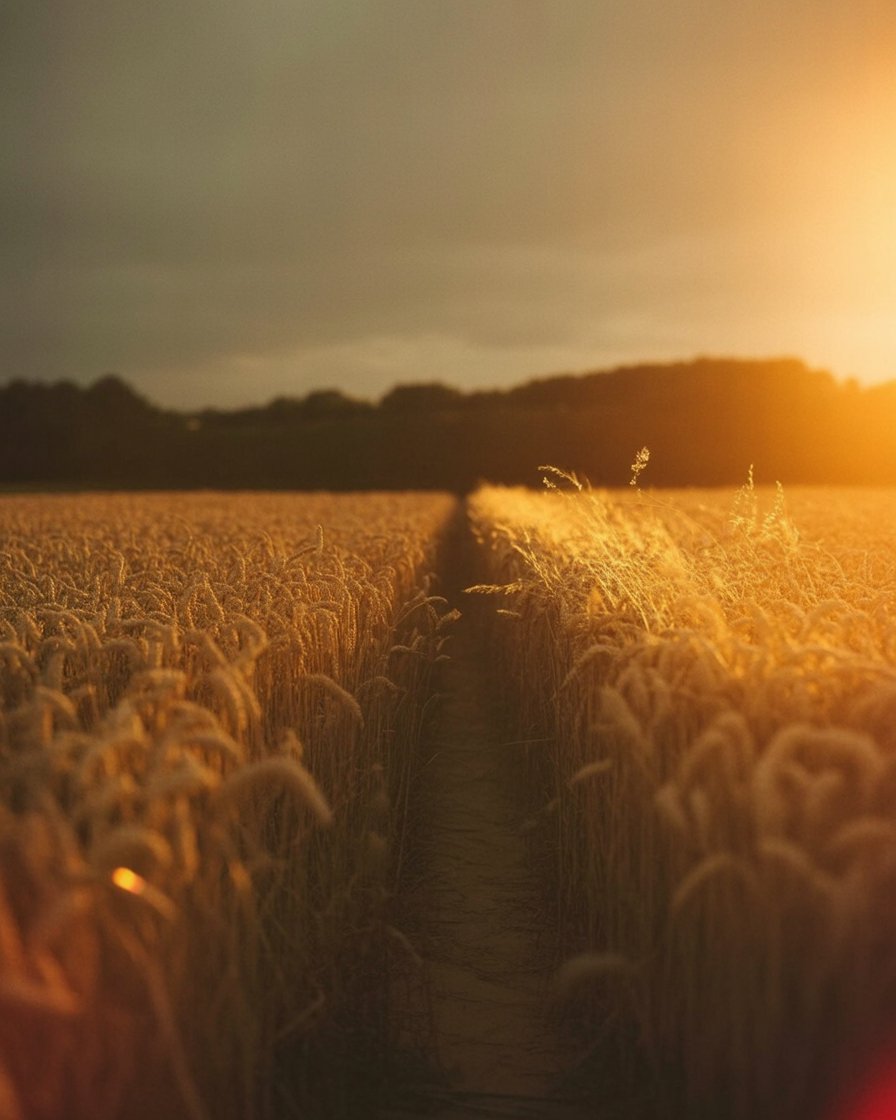
The day I stopped trying to rewrite my past was the day I picked up the pen and started writing my future. It was the day I accepted that my history is a rough draft that cannot be edited, but my tomorrow is a blank page waiting for whatever story I have the courage to tell.
This shift required radical acceptance: acknowledging that I did what I did, said what I said, chose what I chose, and that no amount of retrospective analysis could change the facts. My past is not a mistake to be corrected but raw material to be transformed into wisdom for better choices ahead.
Writing the future feels riskier than editing the past because it requires making decisions without knowing their outcomes, taking action without the benefit of hindsight, creating something new rather than perfecting something finished. The future demands courage; the past only requires regret.
But here’s what I discovered: the energy I had been pouring into impossible revision could be redirected into possible creation. The attention I had been giving to unchangeable history could be focused on changeable present moments. The story I kept trying to fix could be left alone so I could focus on the story I was still writing.
Tonight I retire as editor of my own history and apply for the position of author of my own future. The past can keep its rough drafts, its messy chapters, its imperfect sentences. I have a new story to tell, and it starts with whatever word I choose to write next.


Leave a thought