

A glass of water on a hospital table.
Two pills beside it. Untouched.
An old woman lying in the bed, looking at the ceiling. She is ninety-two. Tonight she will probably die.
The fear of death is not what I see in her face. What I see is something quieter. Something closer to accepting reality — the way you accept rain. You didn’t choose it. It is simply here now.
But that is not the thing that breaks you. The thing that breaks you is this — when she closes her eyes for the last time, she will take a hundred people with her.
People who are already dead. People who survive only inside her.
When she goes, they go. For real this time. Forever.
Inside every person there is a library.
Not books. Faces. Voices. Small moments that happened once and were never written anywhere. A friend’s laugh in a particular afternoon light. The exact way someone tilted their head when they were thinking. The sound of footsteps on a wooden floor.
These things exist nowhere else. No camera caught them. No diary recorded them. They live only inside the one person who was there.
When that person dies, the library burns down.
Everything. Gone. As if it never happened.
This is what death actually is.
Not one ending. A thousand endings. All at once. All silent. All unnoticed.
We hold funerals. We cry. We say goodbye. But we only grieve for the body. We don’t even know what else we are losing. The real disaster is invisible. No one reports it. No one notices.
Life is short — everyone says this. They say it and then go back to checking their phones. They say it and mean nothing by it. But standing in a hospital room at three in the morning, you finally hear it differently. Life is short and then you take a crowd with you. The mathematics of loss is always larger than you think.
A whole world disappears and the morning comes anyway. The nurses change shifts. Someone cleans the room. Someone else lies in the bed.
Think about the people you carry inside you.
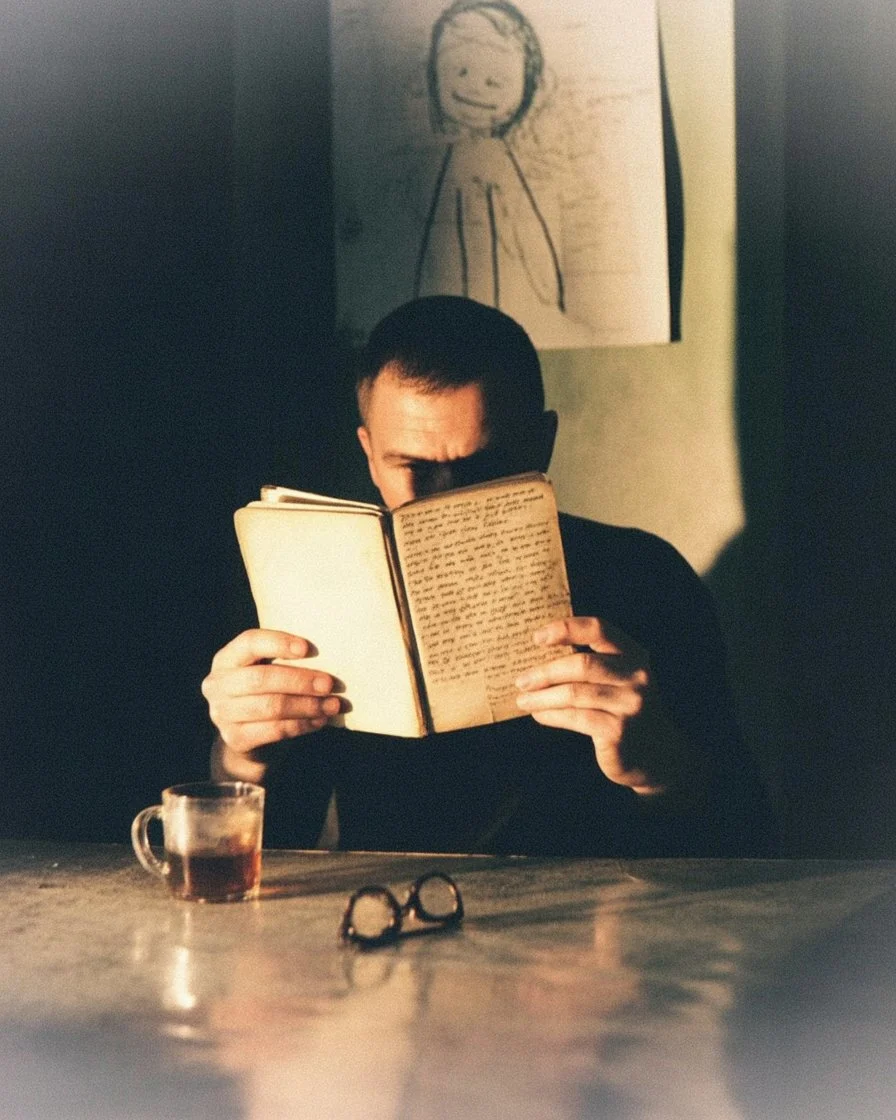
Someone who laughed a specific way. Someone who said something once — just once, on an ordinary afternoon — that you never forgot. Someone whose face you can still see clearly, whose voice you can still hear, but who has been dead for twenty years.
You are keeping them alive. You. Your memory. Your attention.
You are their last home.
When you die, they will become homeless. Then they will become nothing. As if they never existed. As if that afternoon never happened. As if those words were never said.
People spend their whole lives searching for the purpose of life. They read books. They travel. They change jobs. They change cities. They change everything looking for an answer. But here is one answer they don’t expect — you are already the purpose of life for everyone living inside you. You are the reason they still exist.
This is the mathematics of loss nobody teaches you. One person dies. The number is never one. The number is always much larger. Every person who dies takes a crowd with them.
I think about this when I sit with old people.
They are not just old people. They are archives. Walking libraries. The last living proof that certain moments happened, that certain people existed, that the world was once a particular way.
And we sit with them impatiently. We check the time. We think about what we have to do next. We do not ask them what they are carrying. We do not ask who is still alive inside them. We do not know what we are about to lose.
We tell ourselves we will do it later. That is how to stop overthinking about the big questions — you postpone them. You keep yourself busy. You move forward, always forward, never stopping to ask what you are leaving behind.
Then they go. And we feel sad. But we don’t know the real size of what just happened. We can’t count it. We can’t see it.
We just know something is missing. Something enormous. Something we can’t name.
The monitor makes a long flat sound.
The nurse comes in. Notes the time. Covers the face. Routine.
But in that moment, quietly, without any announcement — a grandmother’s humming disappears. A tune she used to sing while cooking. No words. Just sound. Sixty years she carried it. Now it is gone. No recording exists. No one else knows it. It will never be heard again.
Somewhere, a particular laugh disappears. The exact sound of it. The way it started slow and then came all at once. Gone.
A pair of eyes disappear. Not the eyes themselves — those are still there, under the white sheet. But the way light used to move inside them. The color they turned in sunlight. That disappears. The only person who remembered it just stopped breathing.
This is when you sit in the corridor and feel it — a specific kind of feeling empty that has no name. Not grief exactly. Not loss exactly. Something older than both. The feeling of watching a door close that will never open again. Not for you. Not for anyone.
You think death is about the person who dies.
It is. But it is also about everyone they held inside. Everyone they kept warm by remembering. Everyone who survived because one living person refused to forget them.
What happens after death to all those faces, all those voices, all those small moments? Nothing. That is the answer nobody wants. Nothing happens. They simply stop existing. The sound of a particular laugh goes somewhere that is not anywhere. The memory of a particular afternoon dissolves into nothing.
Letting go is what the living must do. Not by forgetting. But by understanding that we were never really holding them. We were just keeping a light on in a room. And one day the light goes out. And the room disappears too.
Memory is the last thing we can give the dead. We carry them. We let them exist a little longer. We keep the light on.
Then we die. And we cannot carry them anymore.
I wonder sometimes about the people inside me.
Whose face do I carry that no one else carries? Whose voice? Whose small and ordinary moment that happened once on an unremarkable day and meant nothing to the world but everything to me?
When I go, who will go with me?
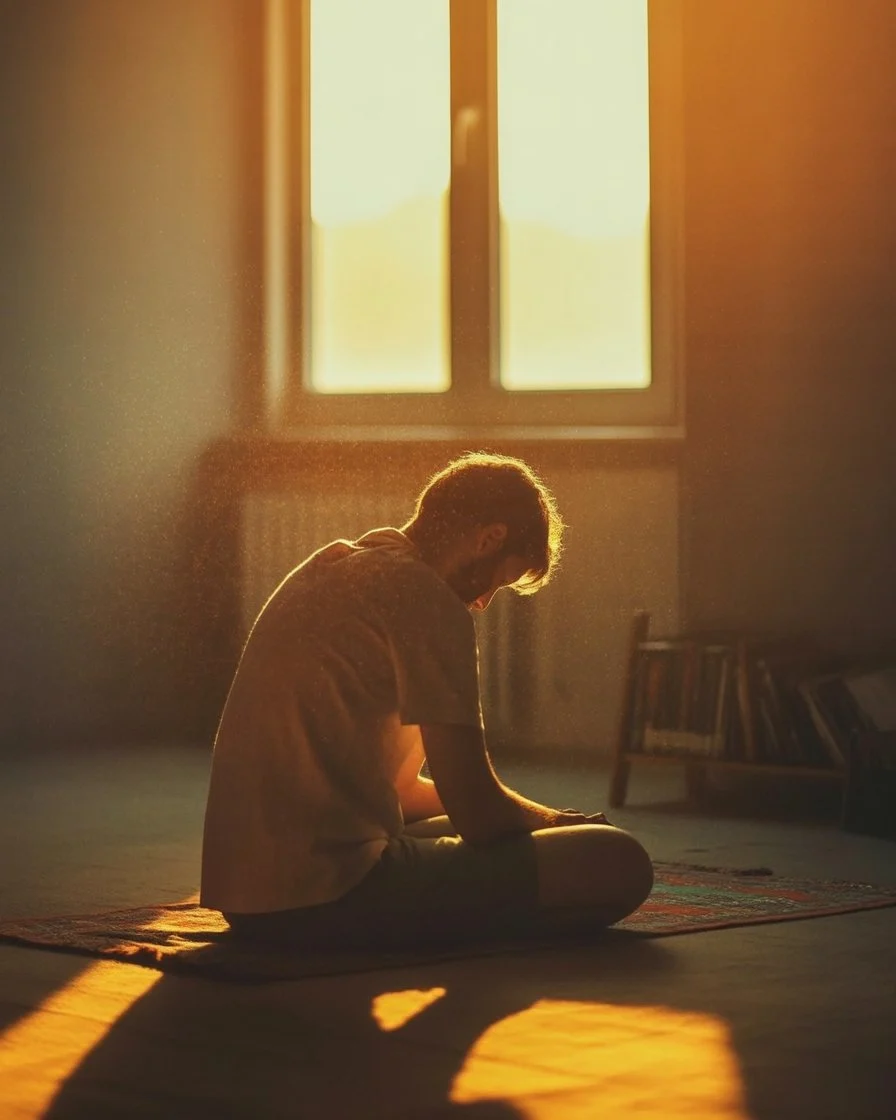
People want to know how to stop overthinking about death. They want a technique. A practice. Something to do with their hands. But you cannot think your way out of this. You can only sit with it. In the quiet. In the dark. The way the old woman lay looking at the ceiling — not trying to solve it. Just looking.
That is the closest thing to finding peace I have ever seen. Not answers. Not acceptance. Just lying there. Looking up. Letting the ceiling be the ceiling.
The glass of water sits on the table. Cold now. The pills still waiting.
This is the moment where people ask how to stop overthinking, how to move forward, how to find meaning — as if meaning is a destination and they have taken a wrong turn. But there is no wrong turn here. There is only this room. This light. This ending that has been happening since the beginning.
Morning will come. It always does.
But somewhere — in the place where sound goes when no one can hear it anymore — a song is ending.
It was always ending.
We just didn’t know to listen.
Maybe that is the only existential crisis worth having. Not who am I. Not what is the point. Just this: there was a song. Someone carried it for sixty years. And now there is silence.
Was anyone listening?
Were you?

Leave a thought