
Breaking the Whisper: Telling the Truth at 3 AM
I carry depression like a secret lover—hidden, shameful, more terrifying to reveal than to endure.
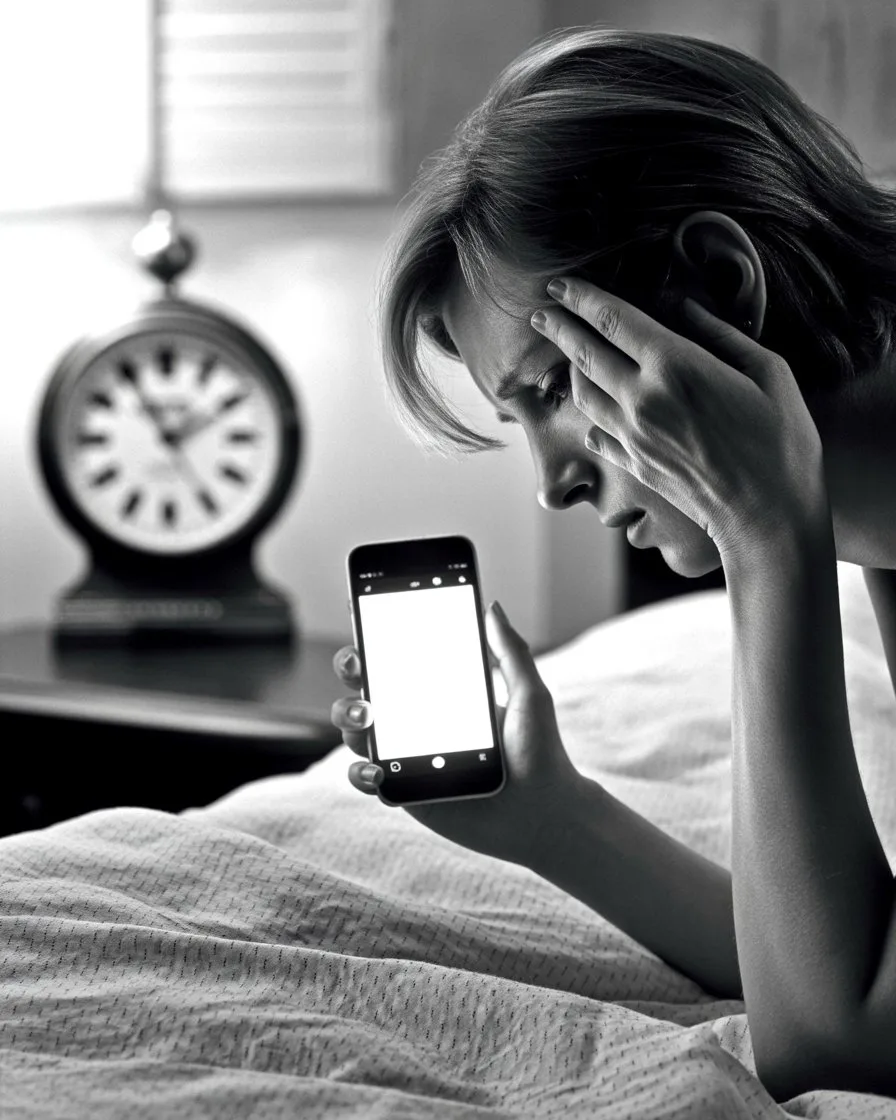
The panic attacks come at 3 AM. My chest floods with fear. My heart races like it’s running from danger that doesn’t exist. My breath comes short and fast. But you know what the real fear is? It’s not the racing heart. It’s not the feeling like I’m dying.
The real fear is that someone might know. Might see. Might find out that I’m not okay.
We live in a strange world. Break your leg, and everyone signs your cast. Break your mind, and everyone avoids eye contact.
Think about the words we use. “Mental health issues”—we say it in whispers, like it’s a bad word. “Therapy”—we mention it like we’re confessing a crime. Medication for the mind gets prescribed behind closed doors, as if healing your brain is somehow more shameful than healing your body.
I’ve seen it happen again and again.
My friend Rahim came to work on crutches last month. Sprained ankle from playing football. Everyone gathered around. “What happened?” “Does it hurt?” “Can I get you tea?” “Don’t worry about the stairs, we’ll help.”
That same Rahim has been seeing a therapist for two years. Nobody knows. He deletes his browser history after searching for mental health information. He lies about his therapy appointments. “Dentist,” he says. Or “Meeting an old friend.” Last month he took a sick day because he couldn’t get out of bed—depression had pinned him down like a heavy blanket. He told the office he had food poisoning.
Why the lie? Why the shame?
I’ll tell you why. Because physical illness happens to you. But mental illness? People think that’s you. That it says something about who you are.
Cancer invades your body—nobody blames you. Depression invades your mind—people wonder what you did wrong. Surgery fixes broken bones—that’s medicine. Therapy fixes broken thoughts—that’s weakness.
At least that’s what we’re taught to believe.
There’s this lie our world tells. A big, shiny lie that everyone believes. It says: happiness is a choice. Success comes from positive thinking. Mental health is just willpower. Work hard enough on your thoughts, and you’ll be fine.
This lie makes everything twice as heavy. First, you carry the pain itself—the depression, the anxiety, the panic, the darkness. Then you carry the shame of experiencing it. Because if happiness is a choice and you’re not happy, well, you must be choosing wrong.
Look at social media. Instagram, Facebook, everyone’s highlight reel playing on loop. Smiling faces. Perfect moments. “Living my best life!” “So blessed!” “Grateful for everything!”
Where are the 3 AM panic attacks in those posts? Where are the days you can’t get out of bed? Where are the times you cry for no reason, or every reason, or reasons you can’t even name?
We curate joy. We hide struggle. The algorithm loves happiness and punishes honesty. No wonder we’re terrified of being seen as we really are.
I think about my parents sometimes. Their generation buried everything. My father’s depression was called “work stress.” My mother’s anxiety became “nerves.” They feared the stigma so much they couldn’t even name what they were running from.
My father would come home silent, heavy, the weight of something pressing on his shoulders. We all knew. Nobody talked about it. He’d sit in his chair, staring at nothing. “Baba’s tired from work,” my mother would say. But it wasn’t work. It was the darkness that has no name in polite conversation.
My mother’s hands would shake during family gatherings. She’d pace the house before guests arrived, checking everything twenty times. “She’s just nervous,” people would say, smiling. As if nervous was the whole story. As if anxiety didn’t steal her sleep, didn’t fill her head with catastrophic scenarios, didn’t make her heart race just thinking about answering the door.
They lived with it. Hid it. Died without ever calling it by its real name.
But hiding has consequences. Real consequences.
Jobs lost when someone discovers your mental health history. Relationships ending when the mask slips. Parents losing custody of children because they sought help for invisible wounds. Marriage proposals withdrawn when families find out about therapy or medication.
The stigma isn’t just in our heads. It has teeth.
And here’s the cruelest part: hiding mental health problems makes mental health problems worse.
Depression feeds on isolation. Anxiety grows in secrecy. Shame about our struggles becomes another struggle to carry. We’re drowning, and we can’t even call for help because we’re too afraid of what people will think.
I’ve done it myself. Kept my depression secret for three years. Told nobody. Not my wife, not my best friend, not my siblings. I smiled through family dinners while screaming inside. I laughed at jokes while carrying a weight nobody could see. I performed normalcy like an actor in a play that never ends.
The exhaustion of pretending to be okay when you’re not okay? That’s its own special kind of hell.
But something is changing. Slowly. Like dawn breaking after a very long night.
Some people are choosing truth over comfort. Athletes talking about depression. Actors discussing their panic attacks. Cricketers speaking about therapy. Regular people posting honestly about their mental health, refusing to let stigma silence their stories.
I saw a post last week. A young woman I know from university. She wrote about her anxiety, her medication, her journey. Simple words. Honest words. The comments filled with others saying “Me too.” “I thought I was alone.” “Thank you for saying this.”
That’s the revolution. Not in fixing mental health—that’s medicine’s job. But in talking about it. In refusing to whisper. In treating the mind with the same matter-of-fact concern we give the body.
Not as failure but as human complexity. Not as weakness but as the price of being alive and aware in a world that makes being alive and aware very difficult.
Tonight, I did something I’ve been too afraid to do for months.
I told my wife about the therapy appointment I’ve been hiding.
I expected judgment. Fear in her eyes. That look people get when they realize you’re not as stable as they thought. But you know what I got instead?
Relief.
Not relief that I’m getting help—though that too. But relief that I finally trusted her with the truth. Relief that I’d stopped pretending. Relief that she could finally stop pretending not to notice.
“I knew something was wrong,” she said quietly. “I just didn’t know how to ask. I was afraid you’d think I was prying.”
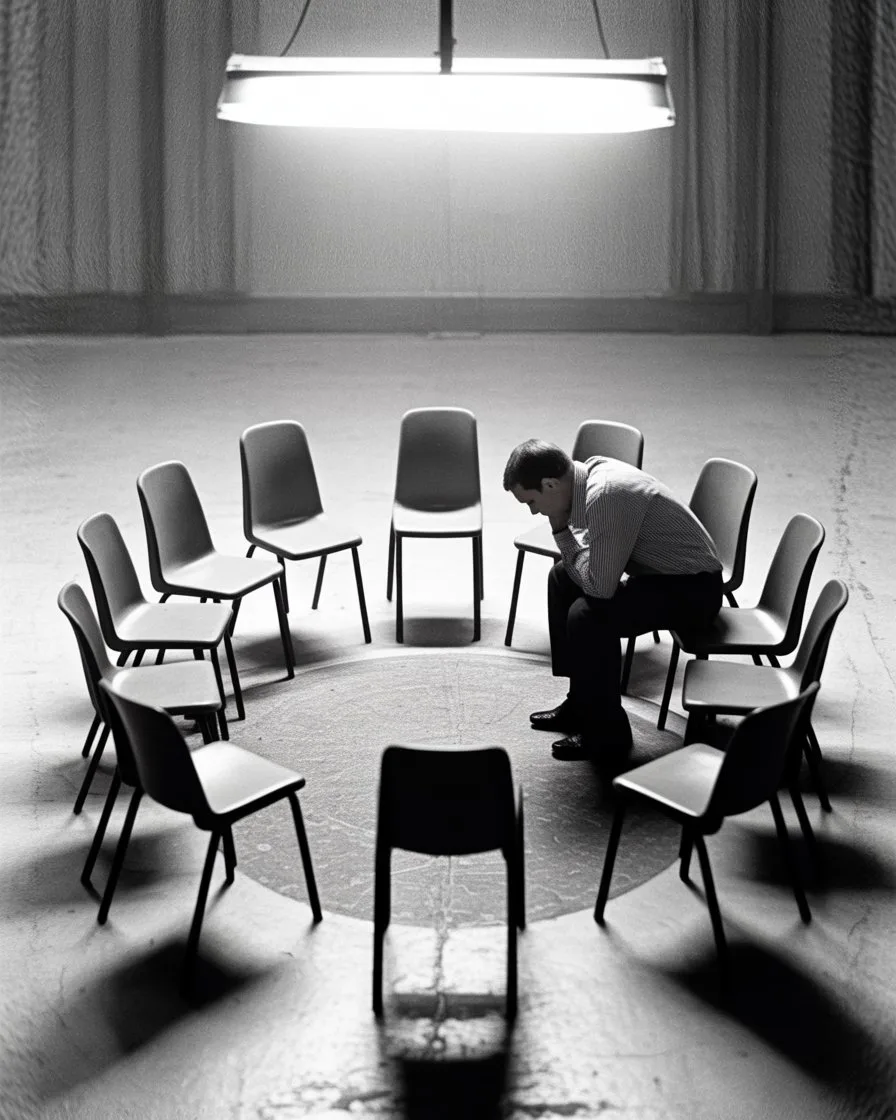
Both of us hiding. Both of us afraid. Both of us alone together.
The stigma is real. The fear is real. But the silence? The silence is killing us faster than either.
I’m tired of the silence. Tired of the pretending. Tired of carrying this secret like stolen goods, like something shameful that must be hidden from light.
My mind is sick sometimes. Just like my body gets sick sometimes. There’s no shame in a fever. There should be no shame in depression. There’s no weakness in taking medicine for blood pressure. There should be no weakness in taking medicine for anxiety.
This is my truth: I have depression. I have panic attacks. I see a therapist. I might need medication. I’m not broken—I’m human. This is part of my story, not the whole story, but a part I’m no longer willing to hide.
If you’re reading this and recognizing yourself—you’re not alone. Millions of us live in this invisible country, carrying invisible weights, fighting invisible battles.
The stigma exists because we stay silent. The silence exists because of stigma. Someone has to break the cycle.
Let it be us.
Let’s talk about mental health like we talk about physical health. Let’s treat therapy like we treat physiotherapy—a place where healing happens. Let’s view medication as medicine, not moral failure.
The revolution starts with one honest conversation. One person saying “I’m not okay” instead of “I’m fine.” One moment of truth instead of comfortable lies.
Tonight, I had that conversation. Tomorrow, maybe you’ll have yours.
The secret is getting lighter already.

Leave a thought