
Jealous of Youth, Grateful for Peace
I look at photographs of myself at twenty-five and feel two contradictory emotions: jealousy and relief.
Jealous of the energy that could sustain all-night writing sessions without consequence. Jealous of the metabolism that kept me thin despite terrible eating habits. Jealous of the optimism that believed every problem had a solution and every dream was achievable if I just worked hard enough.
But relieved that I no longer carry his anxieties, his desperate need for approval, his exhausting uncertainty about everything from career choices to whether I deserved love.
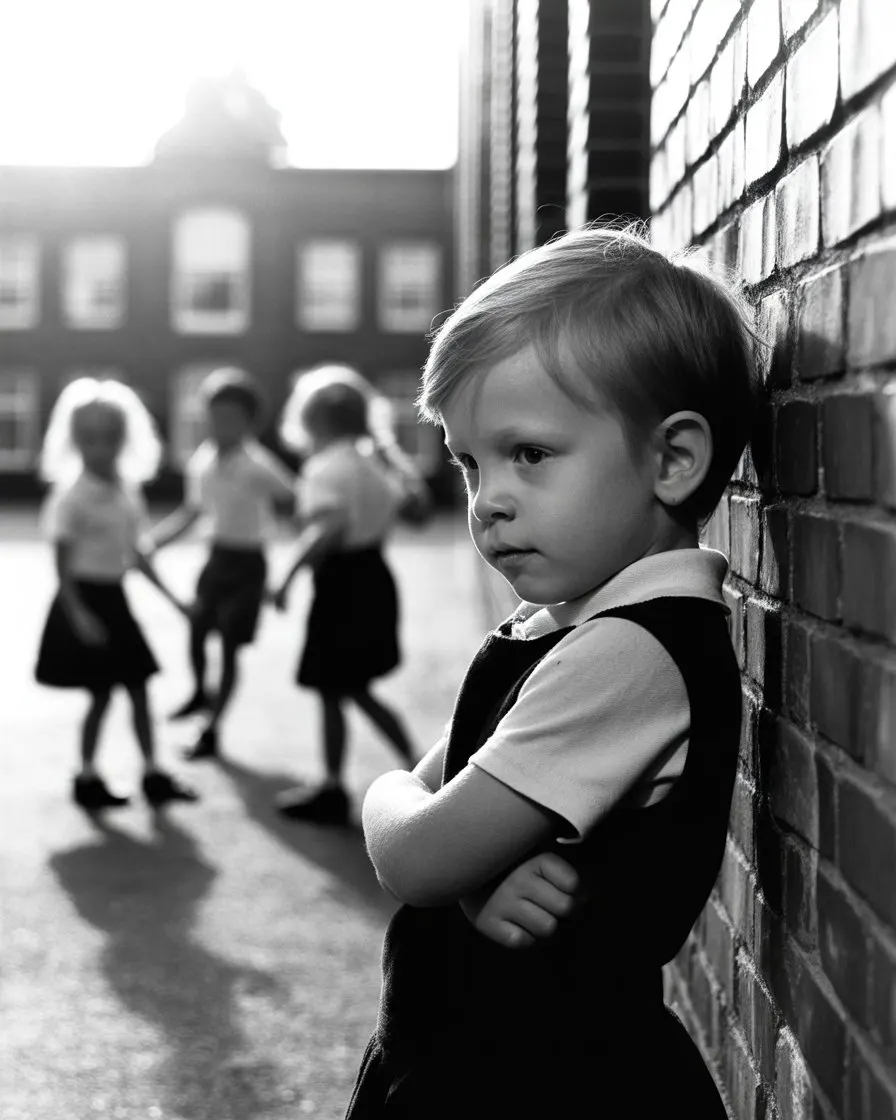
This is the strange mathematics of aging—envying our past selves while simultaneously being grateful we’re no longer trapped in their limitations. Twenty-five-year-old me had a body that recovered quickly from physical stress but a mind that never stopped racing with worry. He could play cricket for hours without soreness but couldn’t sleep peacefully because every conversation replayed in his head, analyzed for signs of rejection or approval.
He had more hair and fewer responsibilities, but also more fears and less understanding of which fears deserved attention. He worried about things that never happened and missed opportunities because he was too afraid of failure to recognize possibility. His body was resilient, but his ego was fragile. His energy was boundless, but his confidence was conditional.
I remember the specific anxiety of not knowing who I was supposed to become. Every decision felt monumental because I believed in permanence—that choosing one path meant forever abandoning all others. The weight of infinite possibility was paralyzing. Should I pursue writing or something practical? Was Happy the right person or was I settling? Should I stay in Bangladesh or explore opportunities abroad? Each question carried existential weight because I thought answers were permanent.
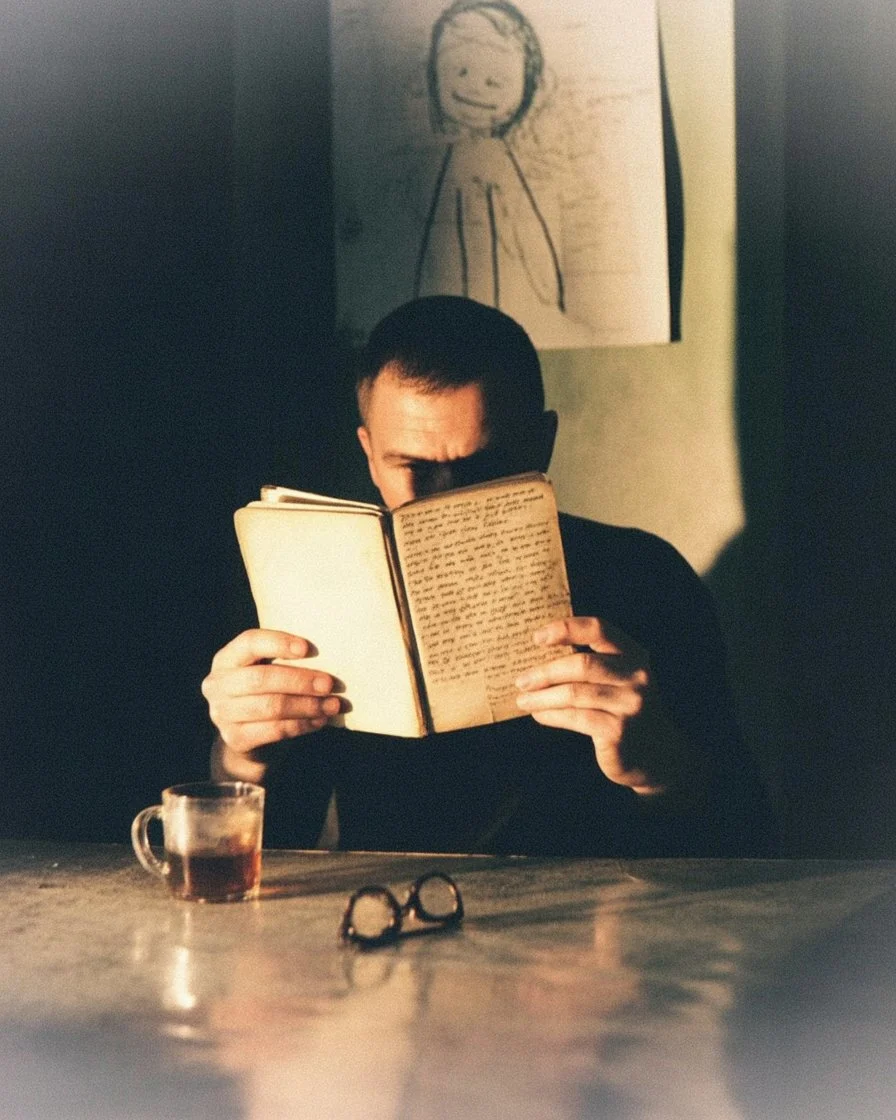
Now I understand that most choices are reversible, that identity is fluid, that the path matters less than how consciously you walk it. But this wisdom came at the cost of the physical ease that made walking any path feel effortless. My knees ache after cricket now. I need reading glasses. I can’t pull all-nighters anymore without consequences that last for days. The body that once felt invincible now reminds me constantly of its limitations.
If offered the chance to return to twenty-five with my current knowledge intact, I’d refuse. Not because I don’t miss that young man’s capabilities, but because I’ve earned the peace that came from living through his struggles. The anxiety, the uncertainty, the desperate need for external validation—these weren’t just obstacles to overcome. They were teachers. Living through them created the understanding I now possess.
Twenty-five-year-old me needed to experience rejection to learn that it wasn’t death. He needed to make wrong choices to discover they weren’t permanent. He needed to fail at things he thought defined him to understand that identity is larger than any single pursuit. No amount of knowledge given from outside could have taught these lessons. They required living, suffering, surviving.
The trade-off feels fair: physical decline in exchange for emotional stability, reduced energy for increased clarity, fewer options but better decision-making about the options that remain. I sleep better now despite the body that sleeps less comfortably. I worry less despite having more actual responsibilities. I feel more capable despite having less raw capability.
Current me can’t write all night, but when I do write, I’m not tormented by whether it’s good enough or what people will think. Twenty-five-year-old me could write for twelve hours straight but spent half that time in agonized self-doubt. The reduced stamina matters less than the reduced self-consciousness.
Current me tires more easily, but I’m tired from doing things rather than from anxiety about what I should be doing. Twenty-five-year-old me had endless energy but spent much of it spinning in indecision, paralyzed by the fear of choosing wrong. The exhaustion of physical limitation is preferable to the exhaustion of constant uncertainty.
Current me has accepted that I won’t achieve everything I once imagined, but twenty-five-year-old me was paralyzed by believing I had to achieve everything or I’d failed. The narrowing of possibility that comes with age—doors closing, paths foreclosed—is actually liberating. Fewer options means less anxiety about choosing the wrong one.
What if the real tragedy isn’t aging but refusing to appreciate the gifts each decade brings? We spend our youth wanting the wisdom of age and our age wanting the vitality of youth, missing what’s actually available in the present. Twenty-five-year-old me would have been horrified by my current limitations. Current me occasionally mourns his capabilities. But neither of us could have what the other has—you can’t have youthful energy with aged wisdom, and you can’t have aged peace while carrying youthful anxiety.
The photograph shows a young man with a full head of hair, a thin frame, clear skin, bright eyes. What it doesn’t show is the constant churning in his mind, the desperate need for validation, the fear that one wrong choice would ruin everything. He looks free because his body was free. But his mind was a prison of his own construction.
Current me looks older, tired, thicker around the middle, marked by time and responsibility. But the mind that inhabits this aging body is finally, finally at peace with itself in ways that young man couldn’t imagine. The physical container has degraded while the consciousness it contains has clarified.
I don’t want to be twenty-five again. I want what he had—the energy, the recovery time, the metabolic efficiency—but I don’t want to BE him, to live in his anxious uncertainty, to carry his desperate need for approval, to experience his exhausting self-doubt. The price of those capabilities was too high.
Perhaps aging is fair after all. Not because it’s easy or pleasant, but because what we gain balances what we lose. The body weakens as the mind strengthens. Physical possibility contracts as emotional stability expands. Energy decreases as peace increases. We trade one set of capabilities for another, youth’s vigor for age’s wisdom, and the exchange, while painful, is roughly equitable.
The real trick is recognizing this while you’re still capable of appreciating it—understanding that the trade-off is fair before cognitive decline takes even that understanding away. Right now, in this middle space between youthful capability and elderly limitation, I can see both sides clearly: what I’ve lost and what I’ve gained, what I miss and what I’m grateful to have left behind.
Twenty-five-year-old me would pity current me for aging. Current me pities twenty-five-year-old me for suffering. We’re both right. The tragedy isn’t aging—it’s the inability to appreciate what each stage offers while we’re living through it, always looking backward or forward instead of accepting the particular gifts and limitations of right now.


Leave a thought