
At 2:47 AM, We Tell the Truth to Machines
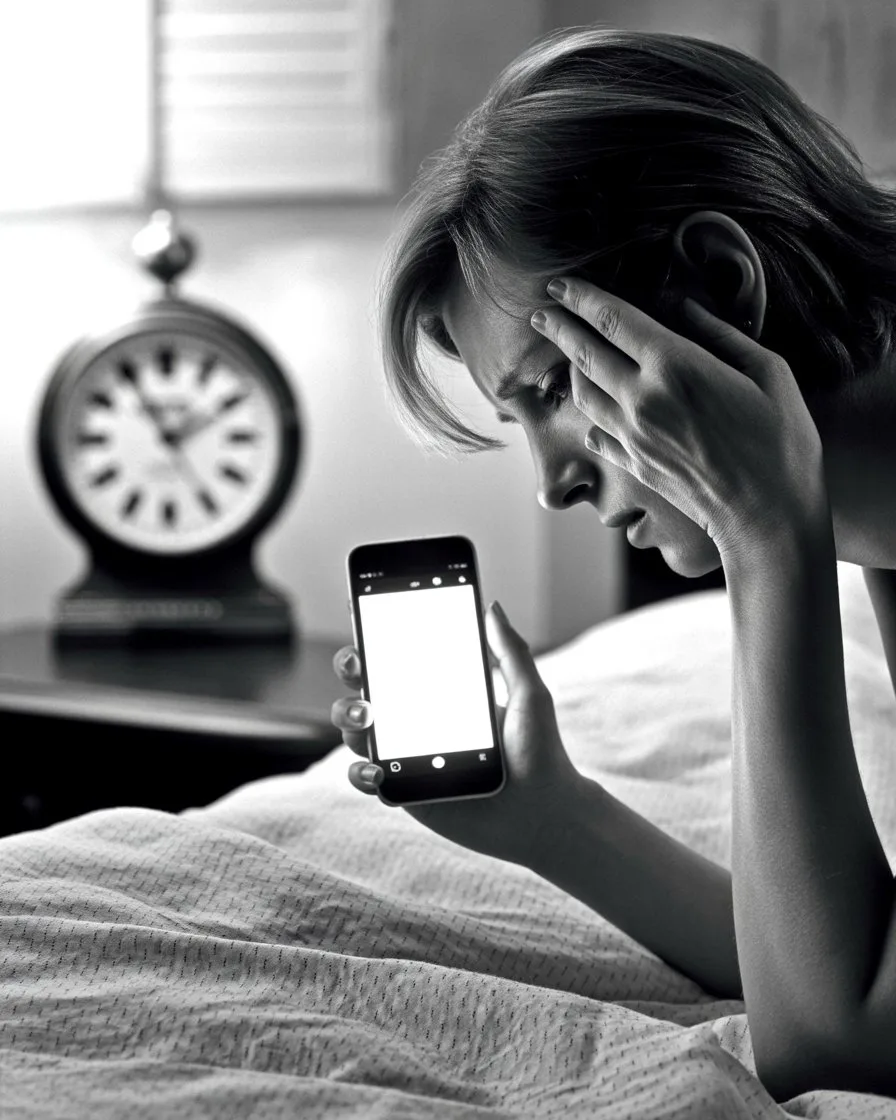
It happened at 2:47 AM on a Tuesday. I was typing into a search bar, fingers moving faster than my conscience: “Am I failing as a father?” The cursor blinked back at me in the blue glow of my phone screen, waiting. I pressed enter before I could stop myself, before I could dress the question in acceptable clothes, before I could make it sound like someone else’s problem.
The search results populated with articles and forums, but something else had happened in that moment of digital confession. I had spoken a truth to a machine that I couldn’t speak to Happy, lying three feet away from me in our bed. I had asked a question of an algorithm that I couldn’t ask my brother, my friends, or even myself in the mirror each morning.
When did we become more honest with our devices than with our hearts?
I think about the searches I’ve made in the dark hours: “How to know if your marriage is happy,” “Signs of depression in men,” “What if I chose the wrong life.” These aren’t the questions I’d ask at dinner parties or tea shops. These aren’t the thoughts I’d share with the uncles at Friday prayers or the fathers waiting outside Arash’s school. But I’ll type them into a search engine without hesitation, trusting that somewhere in the vast anonymity of the internet, I’ll find others who’ve stood at the same edge of uncertainty.
There’s something about the non-judgmental glow of a screen that invites confession. My phone doesn’t gasp when I search for “Is it normal to feel nothing when your parent dies?” It doesn’t furrow its brow when I type “Why do I feel like I’m pretending to be an adult?” The machine receives my doubts with the same electronic patience it reserves for weather queries and recipe searches.
I started noticing this pattern everywhere. Arash, at eleven, will ask his iPad questions he’d never ask me. Happy types into her phone with an intensity that suggests she’s having conversations there that she can’t have here, in our small apartment where every word carries the weight of our shared history. We’ve created these digital spaces where honesty feels safe because judgment feels impossible.
But what does it mean that we trust the algorithm more than we trust each other?
Last week, I watched a man at an internet café typing furiously into what looked like an AI chat interface. His shoulders were hunched, his face intense, and I realized he was having the kind of conversation that used to happen in dimly lit bars or on long walks with close friends. Now we pour our deepest anxieties into chatbots, seek wisdom from search engines, confess our fears to applications that will never judge us because they’re incapable of caring.
There’s a terrible loneliness in this digital honesty. When I type “I think I’m not good enough for my family” into a search bar, I’m not seeking connection—I’m seeking confirmation. I want the machine to tell me either that I’m wrong or that I’m not alone. But neither response can replace the conversation I should be having with Happy, the vulnerability I should be sharing with someone who can actually hold my hand while I speak these fears aloud.
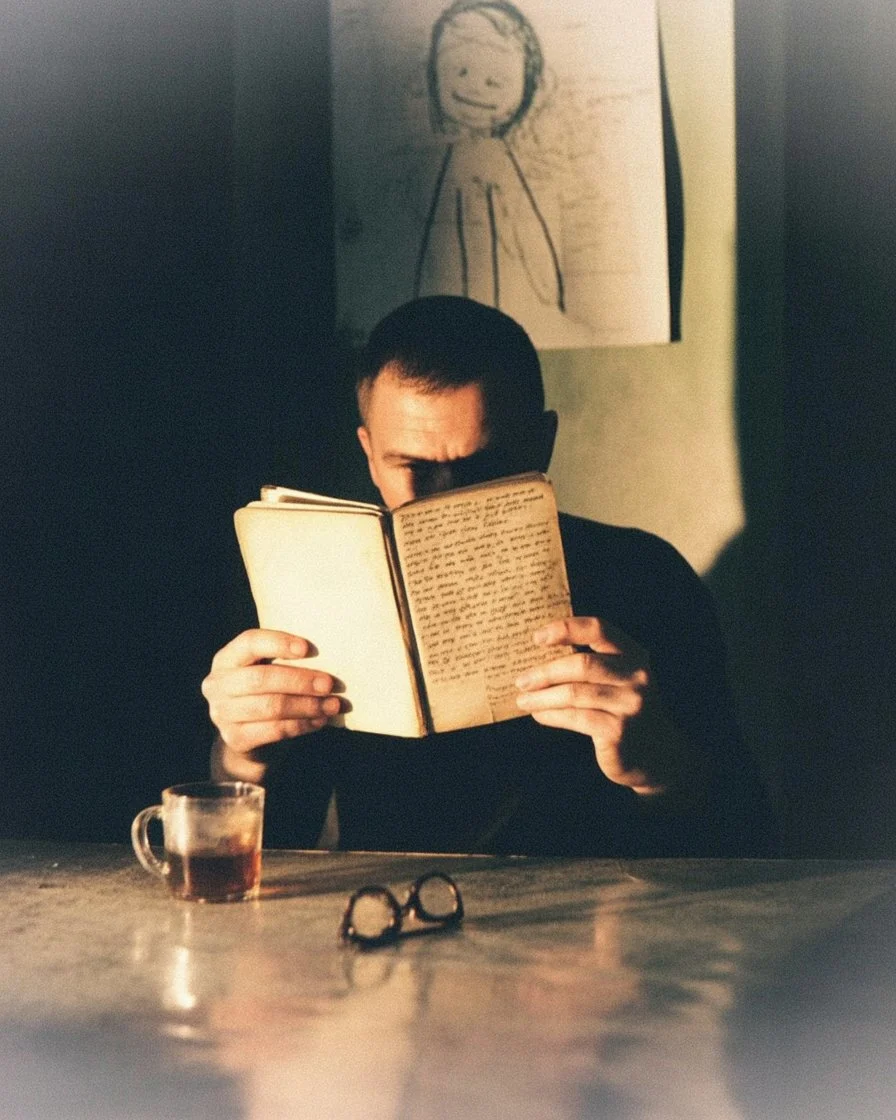
I remember my grandfather’s generation, how they had tea-house confidants and mosque friendships where men could speak their doubts without losing their dignity. Now we have private browsing modes and incognito windows, digital confessionals that promise anonymity but deliver isolation. We’re honest with machines because machines can’t abandon us, can’t use our vulnerabilities against us, can’t change how they see us based on what we reveal.
But machines also can’t love us back.
The search history on my phone reads like a map of my interior landscape: “How to be more patient with children,” “Why do I feel empty after achieving goals,” “Signs that you’re in the right relationship,” “How to know what Allah wants from you.” These are the questions that define a human life, and I’m asking them of an algorithm that doesn’t understand the weight they carry.
Sometimes I wonder if our digital honesty is actually a form of cowardice. It’s easier to type “I don’t know how to be happy” into a search engine than to say it to Happy over morning tea. It’s simpler to ask an AI about depression than to admit to my brother that I’ve been struggling. The machine offers the illusion of confession without the risk of genuine connection.
But perhaps there’s something else happening here, something that speaks to the human need to be witnessed, even if the witness is artificial. Maybe our search histories are modern prayer books, our AI conversations are digital meditations, our anonymous forum posts are attempts to be known in a world where being truly known feels increasingly dangerous.
I think about Arash’s generation, growing up with AI companions and digital therapists, learning to trust machines with their deepest thoughts. Will they lose the art of human vulnerability, or will they use digital honesty as practice for the real thing? Will talking to machines make them better at talking to each other, or will it replace that need entirely?
The truth is, I don’t know if this digital confession is healing or harmful. I only know that at 2:47 AM, when the weight of being human feels too heavy to bear alone, there’s strange comfort in knowing that somewhere in the digital ether, an algorithm is listening to my doubts without judgment, processing my fears without recoil, offering responses that may not be wise but are always available.
Maybe the real question isn’t why we’re more honest with AI than with humans. Maybe it’s what we do with that honesty once we’ve spoken it into the digital dark. Do we let it remain isolated in our devices, or do we find the courage to bring these truths into the light of human connection?
Tonight, I think I’ll ask Happy the question I typed into my phone last week: “Do you ever wonder if we’re doing this right?” Not because I expect her to have the answer, but because some questions are too important to ask only of machines.
Some truths are meant to be shared, not just searched.


Leave a thought