The Interruptions We Choose vs. The Ones We Don’t
I obsessively refresh social media for new notifications but get irritated when someone calls during my scrolling. The phone buzzing with messages feels exciting; the doorbell ringing feels intrusive. Same interruption, different reactions based on source and control.
Digital notifications offer curated interruptions—predictable disruption from sources we’ve chosen, delivering dopamine hits on demand. But analog interruptions—phone calls, visitors, unexpected conversations—feel chaotic, uncontrolled, threatening to whatever we’re doing.
The Illusion of Control
The addiction to notifications stems from agency. We can choose when to respond to texts, can scroll through updates at our own pace, can curate which platforms are allowed to interrupt us. Digital disruption feels manageable; human disruption feels overwhelming.
When notification arrives, I’m in control. I can read it immediately or later. I can respond now or never. I can close the app if it’s uninteresting. The interruption comes with escape routes, with options, with ability to manage the engagement on my terms.
When phone rings, all that control disappears. Someone is demanding real-time attention, immediate response, synchronous engagement. I can’t preview the conversation to decide if I want to participate. I can’t pause mid-call to compose perfect response. The interaction happens in real-time or not at all, and declining feels like rejection rather than boundary-setting.
The doorbell is even worse—someone is physically present, waiting on the other side of door, expecting acknowledgment. Ignoring doorbell feels ruder than ignoring text. The physical proximity creates obligation that digital distance eliminates. They know I’m home. They can hear movement. Pretending I’m unavailable becomes performance rather than plausible excuse.
So I’ve developed hierarchy of acceptable interruptions, ranked entirely by how much control they give me:
- Social media notifications: Pure dopamine, completely optional, instant gratification
- Text messages: Asynchronous, respondable on my schedule, low pressure
- Emails: Even more asynchronous, expectations of delayed response built in
- Phone calls: Real-time demand, high pressure, requires immediate decision
- Doorbell: Physical presence, highest obligation, impossible to ignore convincingly
The pattern is clear—the more control I have over the interaction, the more welcome the interruption. The less control, the more intrusive it feels.
The Paradox of Seeking Interruption
I refresh social media compulsively, actively seeking interruptions. Pull down to refresh. Check notifications. Switch between apps looking for new updates. I’m hunting for disruption, craving it, organizing my attention around hope for it.
But when actual human tries to interrupt me with phone call, I experience it as unwelcome intrusion. The same person whose text I’d welcome becomes annoyance when they call. The same friend whose social media post I’m actively seeking becomes burden when they ring doorbell.
This reveals something uncomfortable: I don’t actually want connection. I want controlled stimulation that looks like connection. The notification provides hit of social engagement without requiring social effort. The like gives validation without vulnerability. The message exchange offers contact without commitment.
Real interruptions—calls, visits, spontaneous conversations—require showing up as whole person. They demand presence, emotional availability, authentic response. They’re unpredictable. They might be difficult. They require energy that scrolling through curated content doesn’t.
So I’ve trained myself to prefer simulation of connection over reality of it. The notification that someone commented on my post feels better than the person actually calling to talk. The digital gesture requires nothing from me except passive reception. The human contact requires everything.
The Predictability We Crave
Digital notifications offer curated interruptions—predictable disruption from sources we’ve chosen, delivering dopamine hits on demand. I know what I’m getting. App notifications follow patterns. Messages from specific people carry expected emotional weight. Social media updates arrive in familiar formats.
This predictability makes interruption safe. I’m not going to be blindsided by notification. Even bad news arrives in manageable format—text message I can read slowly, social media post I can process before responding, email I can reread multiple times before answering.
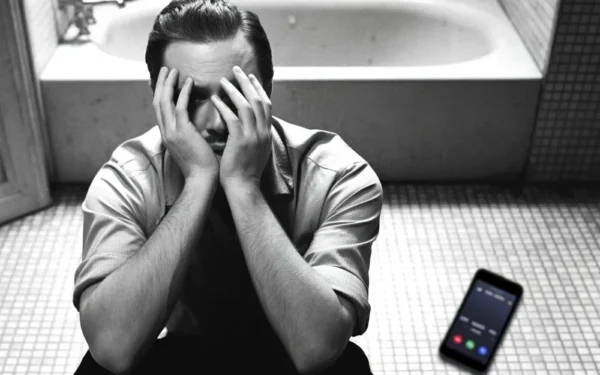
Phone calls eliminate that safety. They’re unpredictable. The person might be upset, might need something I can’t give, might want conversation I’m not ready for. Or it could be telemarketer, wrong number, unexpected bad news. The ringing phone carries uncertainty that notification doesn’t.
Doorbell is even less predictable. Who appears physically at door anymore? Unexpected visitors. Delivery people. Neighbors with problems. Solicitors. The physical interruption usually means something is required—signature, decision, interaction I wasn’t planning to have.
Digital interruptions I seek; analog interruptions I dread. The difference isn’t the interruption itself—it’s the uncertainty, the lack of control, the demand for real-time presence.
What We’ve Lost
But analog interruptions—phone calls, visitors, unexpected conversations—feel chaotic, uncontrolled, threatening to whatever we’re doing. And in that chaos lives something digital interruptions can never provide: actual human connection.
The phone call might be uncomfortable, but it’s real. Voice carries emotion that text erases. Conversation allows nuance that messaging destroys. Real-time dialogue creates connection that asynchronous exchange can’t replicate.
The unexpected visitor might be inconvenient, but they cared enough to show up physically. The doorbell represents effort—someone left their house, traveled to mine, stood outside waiting. That investment signals importance that heart emoji reaction doesn’t.
The spontaneous conversation might disrupt my plans, but it creates moments that planned interactions rarely achieve. The unscheduled coffee chat, the impromptu walk, the unexpected depth that emerges when humans actually talk without curated presentation.
By preferring digital interruptions to analog ones, I’m choosing convenience over connection, control over intimacy, predictability over authenticity. I’m training myself to find real human contact annoying while celebrating its simulation.
The Cost of Curation
We can choose when to respond to texts, can scroll through updates at our own pace, can curate which platforms are allowed to interrupt us. This curation creates comfortable life but impoverished one.
Every relationship becomes managed on my terms. I respond when convenient, engage when energized, disappear when overwhelmed. The other person’s needs, their timing, their desire for contact—all become secondary to my comfort and control.
This works until it doesn’t. Until someone needs me in real-time and I’m unavailable because I’ve trained myself to reject synchronous communication. Until relationship atrophies from too much convenient distance and not enough inconvenient presence. Until I realize I’m surrounded by notifications but starving for actual human contact.
The curated interruptions create illusion of rich social life—constant updates, regular messages, continuous engagement. But they’re empty calories, stimulation without nutrition, contact without connection. I’m consuming fast food while convincing myself I’m eating well.
Reclaiming Analog Interruption
What would it mean to welcome analog interruptions again? To answer the phone occasionally, to not resent the doorbell, to say yes to spontaneous conversations that disrupt my scrolling?
It would mean surrendering control, accepting unpredictability, tolerating uncertainty. It would mean being available in ways that feel vulnerable, showing up without preparation, responding without perfect curation.
It would mean treating human contact as opportunity rather than burden, recognizing that the inconvenience of real-time engagement is also its gift. The phone call demands presence but creates connection. The unexpected visitor disrupts routine but reminds us we matter to someone. The spontaneous conversation derails plans but generates moments we’ll actually remember.
The notifications will keep coming—I’m too addicted to stop checking, too conditioned to ignore the dopamine hits. But maybe I can also answer the phone sometimes. Maybe I can open the door without resentment. Maybe I can let analog interruptions back into my curated digital existence.
Not always. Not perfectly. But enough to remember that real human connection requires accepting interruptions we don’t control, conversations we can’t curate, moments that demand more than passive scrolling.
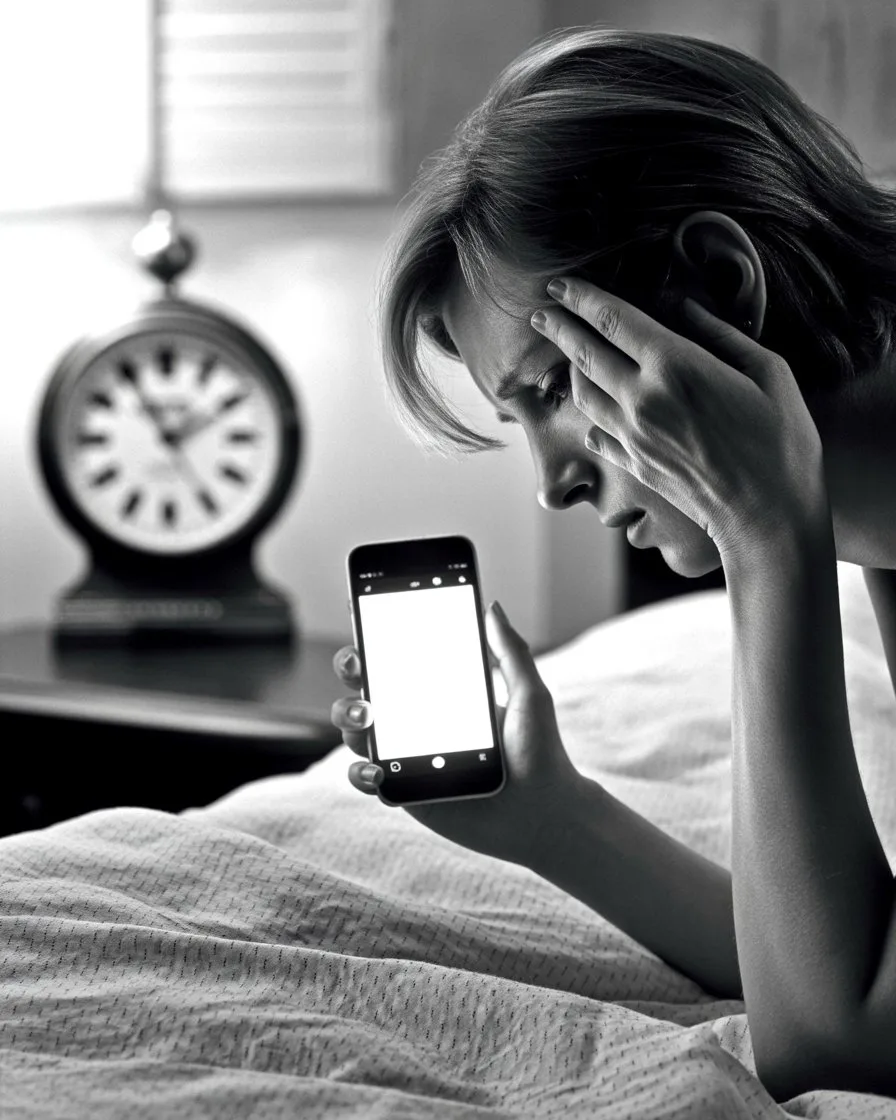
Tonight the phone rings and I consider answering. Not because I want to—I’m comfortable in my controlled digital space. But because I remember, dimly, that the interruptions I resist most are often the connections I need most.
The notification can wait. The human on the other end of the call can’t.
Or at least, they shouldn’t have to.


Leave a thought