
Connected to Everyone, Present with No One
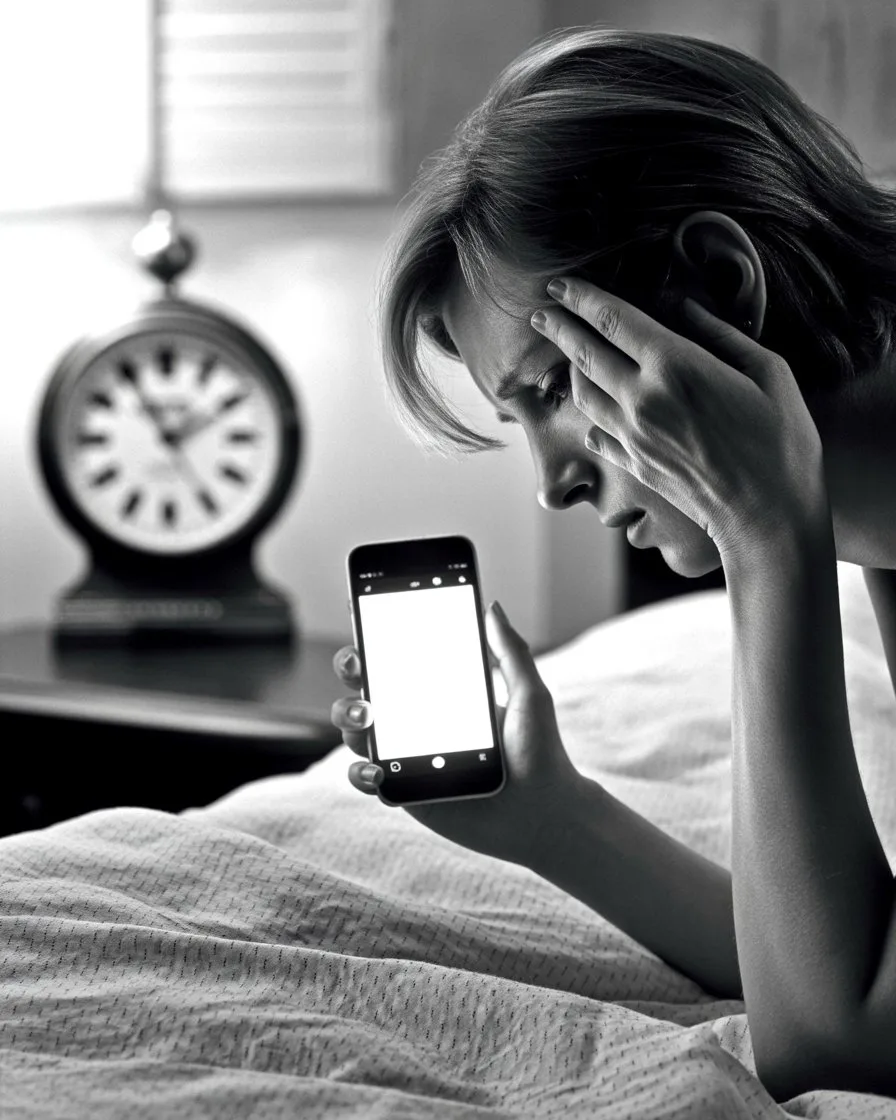
I’m more connected than ever—video calls, instant messages, shared documents updated in real-time—yet profoundly alone in my home office. Digital connection provides collaboration without companionship, interaction without intimacy, communication without community.
Technology solved the problem of distance but created the problem of presence.
My colleagues exist as faces in squares, voices through speakers, names in chat windows. We share projects but not space, work together but not truly together. The casual conversations that build relationships—coffee machine encounters, hallway greetings, the spontaneous desk visits that turned colleagues into friends—don’t exist in digital workspaces.
Every interaction is scheduled, mediated, purposeful. We connect to accomplish tasks, then disconnect. There’s no lingering, no accidental conversation that extends beyond its agenda. No one drops by just to say hello because dropping by requires scheduling a meeting, and scheduling a meeting requires a reason beyond hello.
Remote work eliminates inefficiency and human connection simultaneously.
The office was inefficient in ways I didn’t appreciate until they disappeared. Time wasted in small talk that built trust. Energy spent on conversations that weren’t strictly necessary but made people feel seen. The ambient awareness of others—who’s stressed, who’s celebrating, who needs support—that comes from physical proximity.
Digital work strips away the inefficiency and calls it optimization. We eliminate commutes, unnecessary meetings, office distractions. Productivity metrics improve. And something essential—something harder to measure—quietly dies.
Working from home reveals how much of office life was actually social infrastructure.
The commute I complained about provided transition time between personal and professional selves, a buffer zone where I could mentally prepare for work or decompress afterward. Without it, I roll from bed to desk, from work to dinner, with no separation between identities.
The meetings I found tedious created shared experiences with colleagues. We suffered through bad presentations together, shared knowing glances during absurd announcements, bonded over collective frustration. Those shared experiences built the social fabric that made collaboration feel like teamwork rather than transactional exchange.
The office environment I resented offered belonging, routine, the simple comfort of other humans doing similar work nearby. Even when I didn’t interact with them directly, their presence provided context, reminded me I was part of something larger than my individual tasks.
Isolation masquerades as independence.
I have more autonomy now—control over my schedule, my environment, my workflow. No one monitoring when I arrive or leave. No performance of busyness required. Just results, delivered digitally, evaluated remotely.
This feels like freedom. It also feels like abandonment.
My cat becomes my primary colleague, my family the only faces I see regularly. Professional conversations happen through screens while personal conversations happen between meetings, both mediated by the same device in the same room. Life collapses into a single location, every interaction filtered through technology.
I’m simultaneously overconnected digitally and underconnected humanly. Slack messages arrive constantly—pings, notifications, demands for attention that fragment my day. Yet I can go days without physical proximity to another working adult, without conversation that isn’t either deeply personal (family) or strictly professional (colleagues, through screens).
We’ve gained flexibility but lost the accidental intimacy of shared physical space.
The office created opportunities for connection that didn’t require intention. You encountered people. Had spontaneous conversations. Witnessed their full humanity rather than their professional performance. Saw them frustrated, tired, amused, human in ways that don’t translate to video squares where everyone performs competence.
Remote work requires intention for all connection. Want to know how a colleague is doing? Schedule a meeting. Want casual conversation? It has to be deliberately created, which makes it feel less casual. The spontaneous becomes scheduled, and scheduling transforms the nature of the interaction.
Remote work promises freedom but delivers a different kind of confinement.
Freedom from commutes, from office politics, from the performance of presence. Freedom to structure your day, work in comfortable clothes, avoid the draining aspects of office life. These freedoms are real and valuable.
But confinement to home, to screens, to digital mediation of all professional relationships. Confinement within the boundaries of your residence, where work and life occupy the same physical space. The freedom to work anywhere becomes the reality of working from one room, indefinitely.
What do we lose when work becomes completely virtual? We lose the peripheral awareness that comes from physical proximity. The ability to read body language beyond what cameras capture. The spontaneous collaboration that emerges from overhearing conversations. The social learning that happens through observation rather than explicit instruction.
We lose the humanity that exists in the margins—the laughter in hallways, the shared exhaustion at day’s end, the casual physical presence of other people navigating similar challenges. We lose the random encounters that create unexpected connections, the serendipity that requires shared space.
How do we maintain human connection through digital interfaces? Imperfectly. Intentionally. With more effort than physical proximity required. We schedule coffee chats that would have been spontaneous. Create virtual watercooler conversations that feel slightly forced. Attempt to replicate organically through deliberate design what used to emerge accidentally from shared location.
Some organizations do this well. Most do it adequately. None do it as effortlessly as physical presence allowed.
And what would change if we acknowledged that some forms of collaboration require shared air, not just shared screens? We might stop pretending that remote work is simply office work relocated. Might recognize that different modes of working enable different kinds of connection, creativity, and collaboration.
We might develop hybrid models that leverage the strengths of both—the focus and flexibility of remote work, the spontaneity and social cohesion of shared space. Not forcing everyone back to offices full-time, but acknowledging that pure remote work sacrifices something worth preserving.
We might invest more intentionally in the social infrastructure that physical offices provided accidentally. Create deliberate opportunities for connection that don’t feel performative. Find ways to maintain human bonds across digital distance.
Or we might simply accept that this is the trade-off—productivity and flexibility purchased with isolation and distance. That the future of work involves being more connected technologically and less connected humanly.
I don’t know which future we’re building. But I know the present feels lonely in ways that statistics about productivity gains don’t capture. I know that my most productive year professionally has been my most isolated year personally. I know that I can accomplish more work while feeling less connected to the people I’m working with.
The paradox of digital connection is that it enables collaboration while enabling loneliness. We can work together from anywhere, which means we work together from nowhere, occupying separate spaces that no amount of video compression can truly bridge.
My colleagues are closer than ever—one click away, instantly accessible, present in ways that physical offices never guaranteed. And they’re further than ever—mediated by screens, reduced to squares, present only as digital representations of themselves.
We’ve solved the problem of distance while creating the problem of presence. And I’m not sure we’ve noticed what we’ve lost in the translation.



Leave a thought