
Connected to Everyone, Present with No One
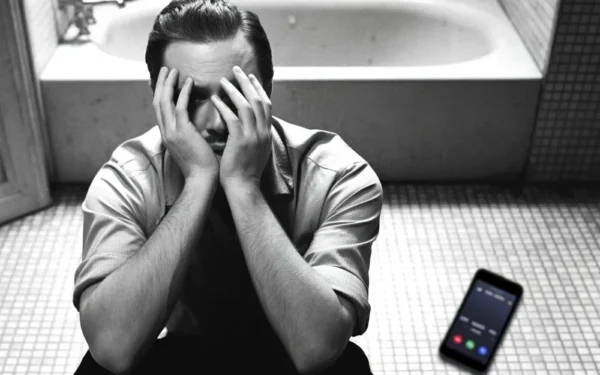
I’m more connected than ever—video calls bridging continents in milliseconds, instant messages arriving before I’ve finished my thought, shared documents updated in real-time by collaborators I’ve never met in person—yet profoundly alone in my home office. Digital connection provides collaboration without companionship, interaction without intimacy, communication without community.
Technology solved the problem of distance but created the problem of presence.
My colleagues exist as faces in squares, voices through speakers, names in chat windows. We share projects but not space, work together but not truly together. The casual conversations that build relationships—coffee machine encounters where you learn about someone’s weekend, hallway greetings that acknowledge shared humanity, the spontaneous desk visits that turned colleagues into friends—don’t exist in digital workspaces. These weren’t inefficiencies to be eliminated; they were the social glue that held organizations together.
Every interaction is now scheduled, mediated, purposeful. We connect to accomplish tasks, exchange information, resolve issues, then disconnect. There’s no lingering, no accidental conversation that extends beyond its agenda, no organic transition from work topic to personal connection. No one drops by just to say hello because dropping by requires scheduling a meeting, and scheduling a meeting requires a reason beyond hello, and by the time you’ve justified the meeting, the spontaneity that made “hello” meaningful has evaporated.
Remote work eliminates inefficiency and human connection simultaneously, treating them as the same thing.
The office was inefficient in ways I didn’t appreciate until they disappeared. Time “wasted” in small talk that actually built trust and psychological safety. Energy “spent” on conversations that weren’t strictly necessary but made people feel seen, valued, heard. The ambient awareness of others—who’s stressed by a difficult project, who’s quietly celebrating a personal milestone, who needs support but won’t ask for it directly—that comes from physical proximity and attentive observation.
I remember noticing when a usually talkative colleague became withdrawn, asking if everything was okay, discovering they were struggling with a family crisis. That kind of noticing happened because I saw them daily, observed subtle changes in demeanor, had enough casual interactions to establish a baseline for “normal.” How do you notice withdrawal when everyone exists only in scheduled video squares, performing professional competence for the duration of the call?
Digital work strips away the inefficiency and calls it optimization. We eliminate commutes that wasted hours, unnecessary meetings that accomplished nothing, office distractions that fragmented focus. Productivity metrics improve—more tasks completed, faster response times, increased output per employee. And something essential—something harder to measure than tickets closed or emails answered—quietly dies.
Working from home reveals how much of office life was actually social infrastructure disguised as workplace overhead.
The commute I complained about for years provided transition time between personal and professional selves, a buffer zone where I could mentally prepare for work or decompress afterward. The train ride let me read, think, observe humanity. The walk from parking lot to office allowed my mind to shift gears. Without it, I roll from bed to desk, from work to dinner, with no separation between identities. My bedroom becomes my office becomes my bedroom again, the same walls containing every aspect of existence.
The meetings I found tedious created shared experiences with colleagues. We suffered through bad presentations together, shared knowing glances during absurd announcements, bonded over collective frustration with obvious solutions being ignored. Those shared experiences built the social fabric that made collaboration feel like teamwork rather than transactional exchange of labor for compensation.
The office environment I resented—the fluorescent lights, the uncomfortable chairs, the climate control battles, the noise—offered belonging, routine, the simple comfort of other humans doing similar work nearby. Even when I didn’t interact with them directly, their presence provided context, reminded me I was part of something larger than my individual tasks. The designer three desks over, the analyst I passed in the hallway, the developer whose laugh I recognized—they were witnesses to my professional existence, proof that my work occurred in a world with other people.
Now my work happens in isolation, witnessed only by screens and metrics, existing in a digital space that feels both everywhere and nowhere.
Isolation masquerades as independence, selling itself as liberation.
I have more autonomy now—complete control over my schedule, my environment, my workflow. No one monitoring when I arrive or leave. No performance of busyness required, no need to look occupied when thinking, no pressure to appear productive during naturally slower periods. Just results, delivered digitally, evaluated remotely, judged by output rather than office presence.
This feels like freedom. The freedom to work when I’m most productive, whether that’s early morning or late evening. Freedom to take breaks when needed without judgment. Freedom from the exhausting performance of office culture—the strategic visibility, the politics of face time, the careful management of perception.
It also feels like abandonment.
My cat becomes my primary colleague, the only coworker who shares my physical space, who witnesses my frustration with bugs or celebration of breakthroughs. My family becomes the only faces I see regularly, the only humans whose physical presence I experience daily. Professional conversations happen through screens while personal conversations happen between meetings, both mediated by the same device in the same room. Life collapses into a single location, every interaction filtered through technology, every relationship compressed into digital form.
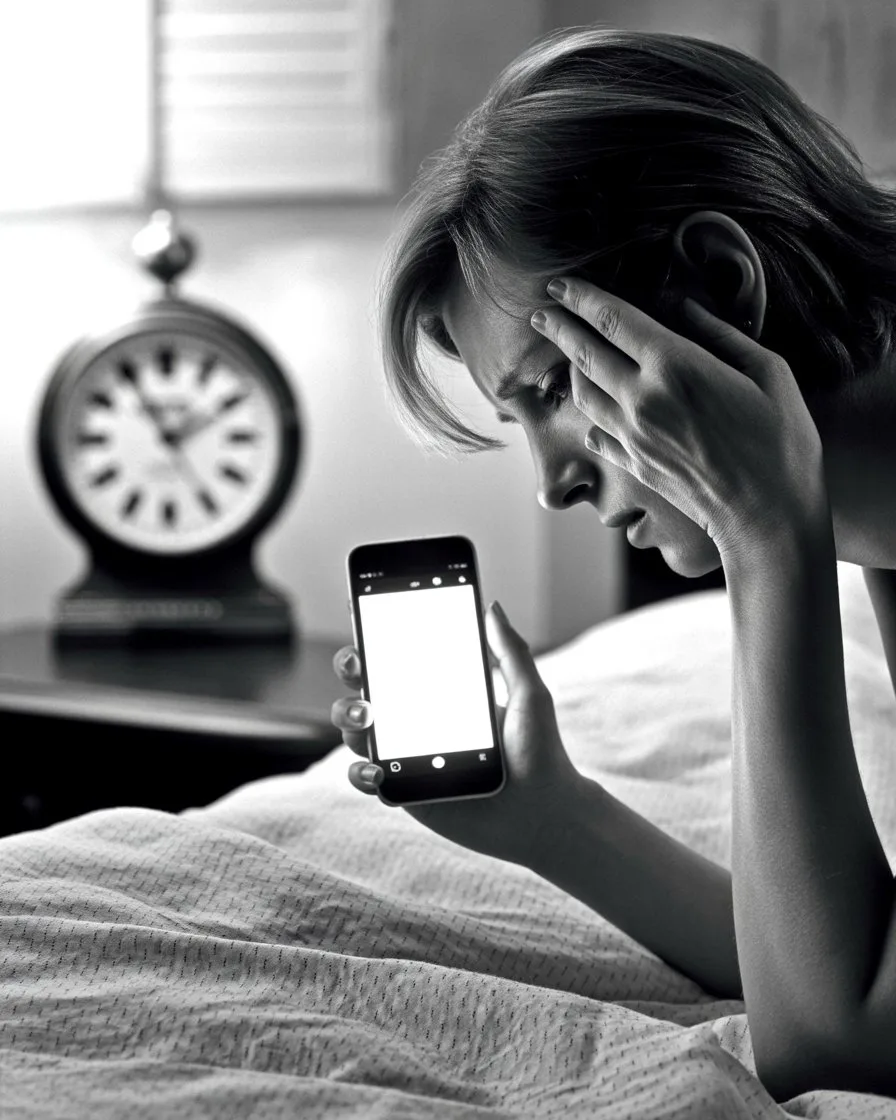
I’m simultaneously overconnected digitally and underconnected humanly. Slack messages arrive constantly—pings, notifications, demands for attention that fragment my day into minute-long intervals between interruptions. Email accumulates faster than I can process it. Calendar invitations multiply like viruses. I’m always reachable, always available, always on.
Yet I can go days without physical proximity to another working adult, without conversation that isn’t either deeply personal (family, who live with me) or strictly professional (colleagues, through screens). The middle space—the casual professional relationships that provided community without intimacy, connection without deep commitment—has vanished entirely.
We’ve gained flexibility but lost the accidental intimacy of shared physical space, and we’re only beginning to calculate the cost.
The office created opportunities for connection that didn’t require intention or effort. You encountered people in elevators, at lunch, walking to meetings. Had spontaneous conversations that started about work and wandered into personal territory. Witnessed their full humanity rather than their professional performance—saw them frustrated with printers, tired after late nights, amused by absurd situations, human in ways that don’t translate to video squares where everyone performs competence for the camera’s duration.
You learned about colleagues through observation rather than explicit sharing. Noticed the photos on their desk, the books on their shelf, the way they decorated their space. Overheard phone conversations that revealed their life outside work. Saw how they treated support staff, how they responded to stress, how they celebrated wins. This ambient information created understanding that enabled better collaboration, stronger relationships, more effective teamwork.
Remote work requires intention for all connection. Want to know how a colleague is doing? Schedule a meeting. Want casual conversation? It has to be deliberately created, added to calendars, given structure and purpose, which makes it feel less casual. The spontaneous becomes scheduled, and scheduling transforms the nature of the interaction. A five-minute hallway conversation about nothing in particular becomes a thirty-minute video call that requires preparation, professional presentation, and feels like work rather than break from work.
The energy required to maintain relationships across digital distance is exhausting. Every connection must be initiated, sustained through explicit effort, maintained through deliberate action. Nothing happens accidentally. Nothing emerges organically. The friendships that formed effortlessly in offices require constant work remotely, and most of us don’t have the energy for that work after actual work is done.
Remote work promises freedom but delivers a different kind of confinement, one we’re only beginning to recognize.
Freedom from commutes that consumed hours and energy. Freedom from office politics and performative presence. Freedom from the draining aspects of office life—the interruptions, the meetings that could have been emails, the forced socialization with people you’d never choose to spend time with otherwise. These freedoms are real and valuable. I don’t miss traffic, don’t miss pretending to be busy, don’t miss most of what offices demanded.
But confinement to home, to screens, to digital mediation of all professional relationships. Confinement within the boundaries of your residence, where work and life occupy the same physical space without separation. The freedom to work anywhere becomes the reality of working from one room, indefinitely, because anywhere requires travel and travel requires energy and energy is depleted by the effort of digital connection.
The promise was work from anywhere—beaches, mountains, cafes in foreign cities. The reality is work from home, from the same desk, in the same room, looking at the same walls, day after day, because going anywhere requires packing your entire office and maintaining reliable internet and finding quiet spaces and dealing with distractions that home doesn’t have.
What do we lose when work becomes completely virtual? We lose more than we intended, more than we realized we were trading away.
We lose the peripheral awareness that comes from physical proximity—the ability to sense tension in a room, to notice who’s struggling, to read the subtle dynamics that text and video miss. We lose the ability to read full body language beyond what cameras capture, missing the fidgeting that signals anxiety, the posture that reveals exhaustion, the small physical tells that communicate more than words.
We lose the spontaneous collaboration that emerges from overhearing conversations—”Oh, I know how to solve that problem” becomes impossible when you don’t overhear the problem being discussed. The cross-pollination of ideas that happened because people from different projects shared space and accidentally sparked insights through casual interaction.
We lose the social learning that happens through observation rather than explicit instruction—watching how experienced colleagues handle difficult situations, observing different communication styles, learning professional norms through immersion rather than formal teaching.
We lose the humanity that exists in the margins of work—the laughter in hallways that builds camaraderie, the shared exhaustion at day’s end that creates solidarity, the casual physical presence of other people navigating similar challenges that reminds you you’re not alone. We lose the random encounters that create unexpected connections, the serendipity that requires shared space, the possibility of meeting someone who changes your career trajectory because you happened to sit next to them at lunch.
We lose the clear boundaries between work and everything else. When work happened in offices, leaving meant work ended. Now work exists wherever your laptop exists, which is everywhere you are. The boundary between professional and personal collapses into constant availability, perpetual partial attention, the inability to fully disconnect because disconnection requires physical separation we no longer have.
How do we maintain human connection through digital interfaces? Imperfectly. Intentionally. With far more effort than physical proximity required.
We schedule coffee chats that would have been spontaneous, adding them to calendars like any other meeting, which makes them feel like work rather than break from work. We create virtual watercooler channels that feel slightly forced because no one actually gathers around watercoolers anymore—we gather around screens, which is what we’re already doing for work, making the separation artificial.
We attempt to replicate organically through deliberate design what used to emerge accidentally from shared location. Some organizations do this well, investing heavily in virtual culture, creating elaborate systems for digital connection, building in time for relationship maintenance. Most do it adequately, making half-hearted efforts that check boxes without creating community. None do it as effortlessly as physical presence allowed, because digital connection requires constant effort while physical proximity enabled connection through simple coexistence.
And what would change if we acknowledged that some forms of collaboration require shared air, not just shared screens? If we stopped pretending that remote work is simply office work relocated, that video calls are equivalent to in-person meetings, that digital communication captures everything physical presence provided?
We might recognize that different modes of working enable different kinds of connection, creativity, and collaboration. That remote work excels at focused individual work, at flexible scheduling, at eliminating commute waste—but struggles with spontaneous collaboration, with building new relationships, with maintaining the social fabric that makes organizations feel like communities rather than networks of contractors.
We might develop hybrid models that leverage the strengths of both—the focus and flexibility of remote work for individual tasks, the spontaneity and social cohesion of shared space for collaboration and relationship building. Not forcing everyone back to offices full-time, which would sacrifice the real benefits of remote work, but acknowledging that pure remote work sacrifices something worth preserving.
We might invest more intentionally in the social infrastructure that physical offices provided accidentally. Create deliberate opportunities for connection that don’t feel performative. Design virtual spaces that enable serendipity. Build in time for relationship maintenance that doesn’t feel like extra work. Find ways to maintain human bonds across digital distance that honor the reality that such maintenance requires effort.
Or we might simply accept that this is the trade-off—productivity and flexibility purchased with isolation and distance. That the future of work involves being more connected technologically and less connected humanly. That we’ve chosen efficiency over community, optimization over belonging, individual flexibility over collective cohesion.
I don’t know which future we’re building. But I know the present feels lonely in ways that statistics about productivity gains don’t capture. I know that my most productive year professionally has been my most isolated year personally. I know that I can accomplish more work while feeling less connected to the people I’m working with.
The paradox of digital connection is that it enables collaboration while enabling loneliness. We can work together from anywhere, which means we work together from nowhere, occupying separate spaces that no amount of video compression can truly bridge. The illusion of connection—seeing faces, hearing voices, sharing documents—masks the reality of isolation. We’re all alone together, connected by technology while separated by everything that makes connection meaningful.
My colleagues are closer than ever—one click away, instantly accessible, present in ways that physical offices never guaranteed. I can reach anyone at any time, send messages that arrive immediately, schedule calls that happen within minutes. The barriers of geography and time zones have collapsed. Distance is irrelevant.
And they’re further than ever—mediated by screens, reduced to squares, present only as digital representations of themselves. I don’t know what their offices smell like, how tall they are, whether they fidget during meetings or have nervous habits. I don’t encounter them accidentally, don’t overhear their conversations, don’t witness the full range of their humanity. They exist as professional personas, carefully curated for cameras, presented in the best possible light, literally and figuratively.
We’ve solved the problem of distance while creating the problem of presence. And I’m not sure we’ve noticed what we’ve lost in the translation, or if we’ve noticed, whether we care enough to do anything about it. The productivity gains are measurable. The loneliness is harder to quantify, easier to ignore, simpler to dismiss as individual problem rather than systemic issue.
But the loneliness is real. The isolation is growing. And no amount of digital connection can replace what we’ve lost by abandoning physical presence. We’re building a future where we’re all connected and all alone, productive and isolated, efficient and profoundly lonely. And we’re calling it progress.

Leave a thought