
When the Right Song Holds Space for Our Grief
When grief hollows out my chest, I don’t reach for uplifting music—I choose songs that match my sadness, melodies that understand the specific texture of what I’m feeling. Happy music feels like mockery in moments of genuine sorrow, but sad songs feel like companions who’ve walked similar paths through emotional darkness.
Sad songs don’t make us sadder; they make us feel less alone in our sadness.
The lonely Bengali folk ballad knows exactly how isolation tastes at 3 AM. The melancholy instrumental captures the precise weight of missing someone who won’t return. These songs don’t offer false comfort but authentic recognition—musical evidence that others have felt what I’m feeling and found it worth expressing.
We need sad music to validate that our pain is real, shareable, human.
When my mother died, cheerful songs felt like lies. But the grief songs offered something essential: proof that loss is universal, that mourning has its own beauty, that sadness isn’t pathology but appropriate response to a world where everything beloved is temporary.
Sad music gives us permission to feel sad completely rather than rushing toward recovery.
Melancholy songs create emotional company without requiring social performance.
The sad song asks nothing of me except to listen. It doesn’t suggest solutions, demand improvement, or judge my pace of healing. It simply acknowledges that some experiences require feeling rather than fixing, that some emotions need space rather than intervention.
Music provides the only therapy that never tells us to feel better before we’re ready.
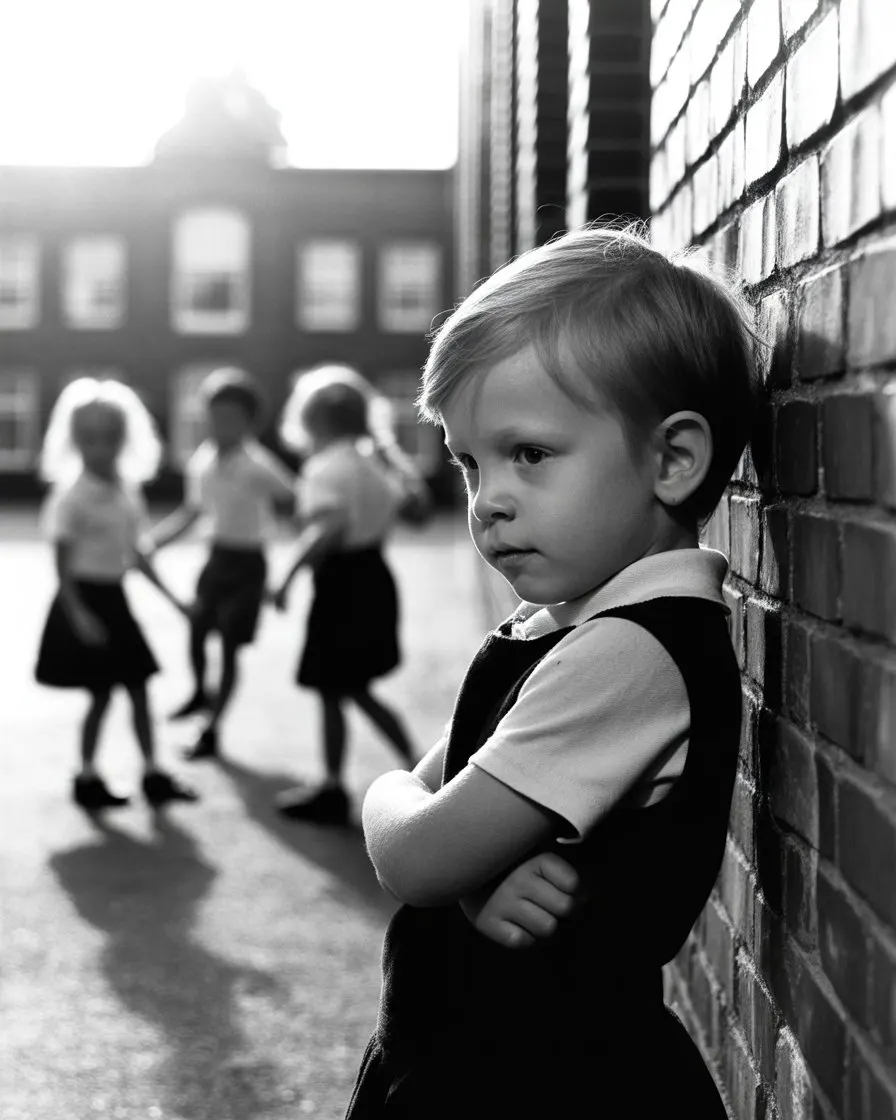
My son, during his occasional childhood sorrows, instinctively chooses gentle, slower music that matches his mood. He hasn’t learned yet that adults expect children to bounce back quickly from disappointment. He naturally understands what we forget: sometimes the cure for sadness is sadness, fully experienced.
Children know intuitively that emotions need expression, not suppression.
Sad songs transform private pain into shared human experience.
The melody tells me that someone else has felt exactly this particular shade of heartbreak, this specific quality of longing, this precise weight of temporary existence. My sadness connects me to every other consciousness that has recognized beauty’s inseparable relationship with loss.
Through sad music, individual grief becomes participation in universal human experience.
Why do sad songs comfort us more than happy ones when we’re suffering? What does it mean that we need our pain reflected back to us rather than contradicted? And what would change if we trusted sad music to heal rather than always reaching for artificial cheerfulness?
Perhaps sad songs comfort us because they’re honest about the full spectrum of human experience—acknowledging that joy and sorrow aren’t opposites but partners in the dance of conscious existence, that feeling deeply includes feeling difficult things, that the most authentic comfort comes not from avoiding pain but from discovering we’re not alone in carrying it.

Leave a thought