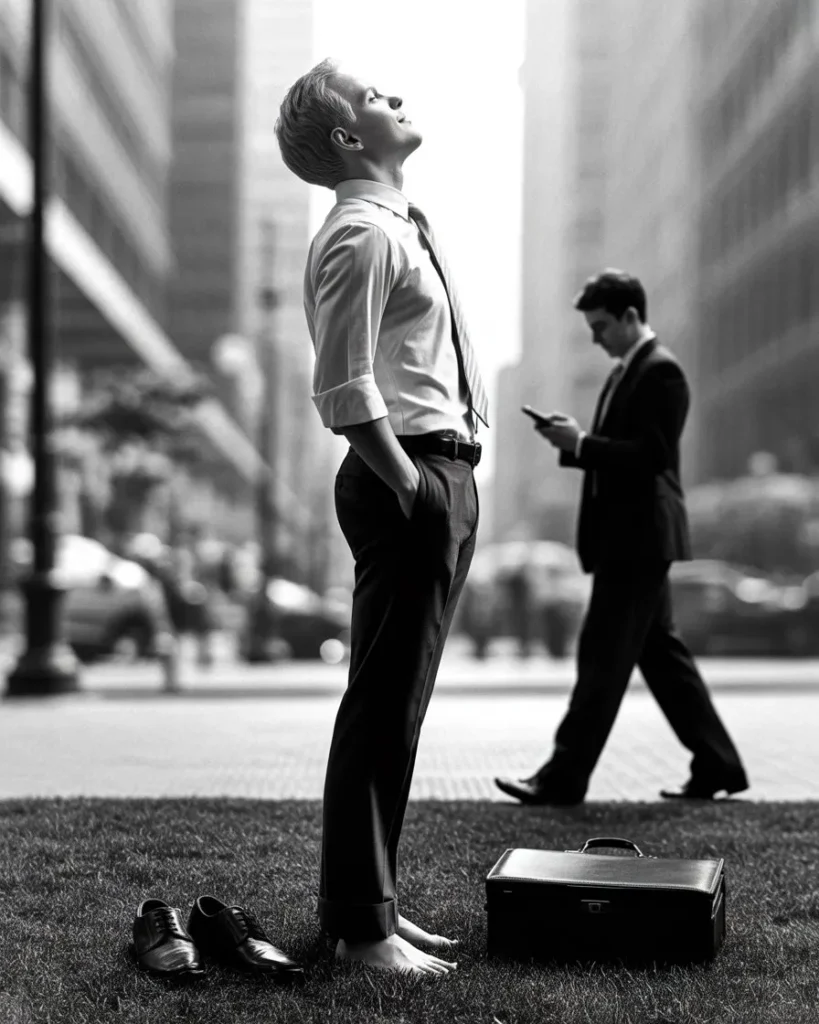
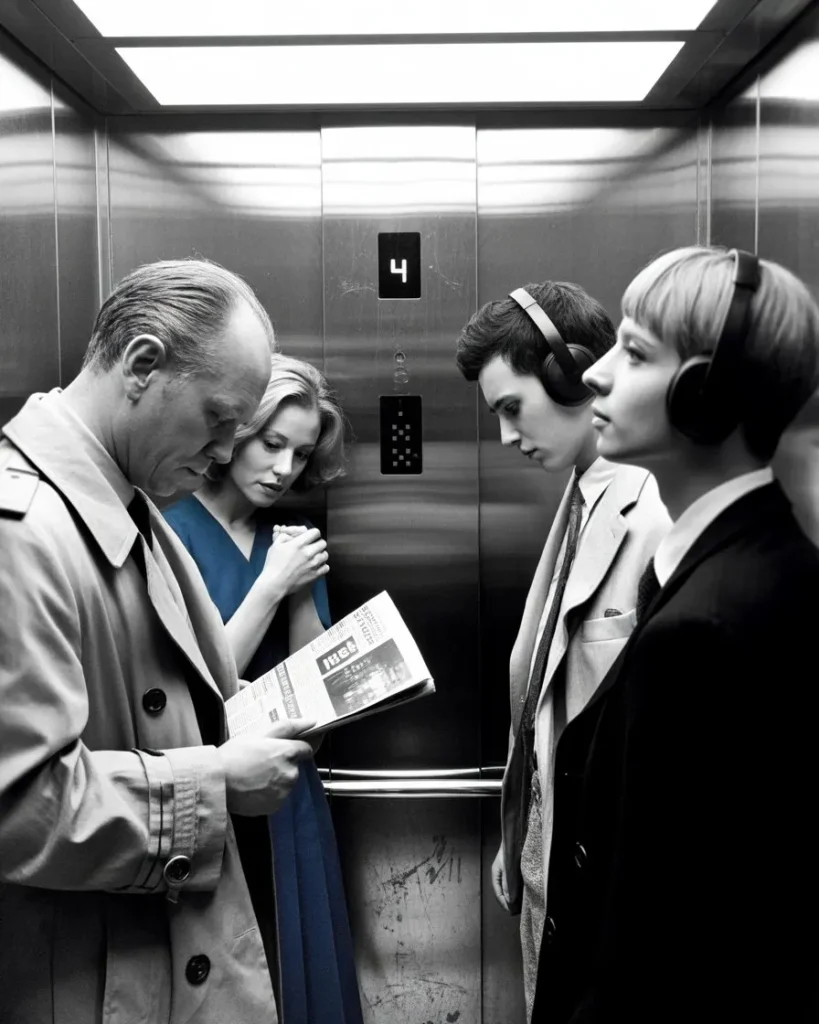
Five hundred and thirty-seven people saw my breakfast this morning.
Avocado toast, perfectly plated. Golden morning light through the window. Caption about grateful mornings and fresh starts. Twenty-three likes within the first hour.
What they didn’t see: I’d been awake since 3 AM, crying in the bathroom so my wife wouldn’t hear. The toast sat uneaten while I stared at my phone, desperate for the validation that breakfast photo would bring.
Five hundred and thirty-seven witnesses to my performance.
Zero witnesses to my pain.
My therapist asked me about this yesterday.
“How many people really know you?”
I thought about my follower count. “I don’t know. Hundreds?”
“No. How many people actually know you? Not your posts. You.”
I couldn’t answer.
Here’s what my followers know about me:
I’m a morning person who makes beautiful breakfasts. I read interesting books and share thoughtful quotes. I have strong opinions on current events. I travel to picturesque places. My life looks ordered, intentional, aesthetically pleasing.
Here’s what they don’t know:
I haven’t slept properly in months. My marriage is falling apart. I’m taking anxiety medication that I’m ashamed to mention. The books I photograph are often unfinished. The beautiful breakfasts sometimes go uneaten. The travel photos were taken during a trip where my wife and I barely spoke.
I am seen constantly but known by almost no one.
My wife brought this up last week.
“You posted about date night.”
“Yeah. Why?”
“We had a terrible evening. We barely talked. You were on your phone most of the time.”
“The photo looked nice though.”
She stared at me. “You’re performing our life instead of living it.”
“What does that mean?”
“It means five hundred strangers think we’re happy while I’m sitting here wondering if we’re going to make it.”
The breakdown happened on a Tuesday.
Not a dramatic collapse. Just a quiet unraveling. I sat in my car after work and couldn’t make myself go inside. Couldn’t face another evening of pretending. Couldn’t maintain the performance one more day.
I sat there for an hour, crying, barely breathing, feeling like I was drowning.
Then I took a selfie. Smiling. Posted it with something about productivity and gratitude.
Forty-six likes.
Nobody asked if I was okay. Why would they? I looked fine.
My best friend called that night.
“Hey, just checking in.”
“I’m good. Busy, you know.”
Silence. Then: “Are you though?”
“What do you mean?”
“Your posts. They’re all so… perfect. Too perfect. Like you’re trying really hard to convince everyone you’re okay.”
“I am okay.”
“When did we stop being honest with each other?”
I didn’t have an answer. When had I stopped telling him the truth? When had performance replaced actual friendship?
“I’m struggling,” I finally said.
“I know. I can see it. Not in your posts—in the trying. In how hard you’re working to look fine.”
Here’s what I’ve realized: visibility and being-seen are different things.
I’m visible to five hundred people. They observe my curated existence. They see what I choose to show.
But being-seen? Actually seen? That requires someone looking past the performance. Someone noticing what’s not posted. Someone asking the questions I’m afraid to answer.
That happens with maybe three people. If I’m lucky.
I started an experiment last week. Posted something honest.
“Having a rough day. If you’re struggling too, you’re not alone.”
It got less engagement than my breakfast photos. No surprise there. The algorithm doesn’t reward vulnerability the same way it rewards aesthetics.
But three people messaged privately. People I barely knew. Sharing their own struggles. Thanking me for being honest.
Suddenly I was having real conversations with near-strangers while my actual friends saw my posts and assumed I was fine.
The irony wasn’t lost on me.
My father visited last weekend. He’s seventy, doesn’t really understand social media.
He scrolled through my profile. “Your life looks very nice.”
“Thanks.”
“Is it? Nice, I mean.”
“What do you mean?”
“These pictures. They’re all so perfect. But when I look at you, you look tired. Sad. Not like these photos.”
“The photos are just moments, Dad. Highlights.”
“But they’re not real moments, are they? They’re performed moments. Staged for people who don’t actually know you.”
He wasn’t wrong.
“Why do you do it?” he asked.
“I don’t know. Connection, I guess?”
“This isn’t connection. This is broadcasting. Connection is what we’re doing right now. Sitting here, talking. Not photographing it for strangers.”
I thought about deleting everything. Just disappearing from social media entirely.
But that felt extreme. Like throwing away a tool because I’d been using it wrong.
The problem wasn’t the platform. It was what I’d been using it for. Seeking visibility as a substitute for being known. Collecting observers instead of cultivating witnesses.
Real being-seen requires showing the unshareable parts. The struggles, the failures, the unglamorous reality. Not for everyone—that’s still performance. But for the people who matter.
I called my best friend back.
“Remember how you asked when we stopped being honest?”
“Yeah.”
“I think it was when I started performing my life online. I got so used to curating everything, showing only the good parts, that I forgot how to just… be real.”
“So be real now.”
And I was. For an hour, I told him everything. The anxiety, the marriage problems, the constant exhaustion, the feeling that I was failing at everything while posting about success.
He listened. Really listened. No platitudes, no quick fixes, just presence.
“I’m sorry,” he said finally. “I should have pushed harder. Should have asked more.”
“I should have told you.”
“Yeah. You should have.”
My wife noticed the change.
“You’ve been on your phone less.”
“I’m trying something different.”
“What?”
“Being less visible, more seen. If that makes sense.”
She smiled. “It makes perfect sense.”
That night we talked. Actually talked, without me thinking about how to translate our conversation into content. Without mentally photographing our dinner for posting later.
Just being together. Present. Unseen by hundreds, but truly seen by the one person who matters most.
I still post sometimes. But differently now.
Not to prove my life is good. Not to collect validation from strangers. Just to share occasional moments with people who actually care.
My follower count is dropping. Turns out people don’t stick around when you stop performing. The algorithm doesn’t favor authenticity the way it favors aesthetics.
But the people who remain are different. They comment with real questions. They message privately. They notice when I’m quiet and check in.
They see me. Not just my breakfast.
Yesterday, I didn’t post anything.
Not because I was having a bad day. I was actually okay. But I didn’t need to broadcast that. Didn’t need five hundred people to witness my okayness for it to count.
Instead, I called my father. Told him about a conversation with my wife. About starting therapy. About trying to be present instead of performing.
“I’m proud of you,” he said.
Not because I’d achieved something postable. Not because I had evidence to share. Just because I was trying. Being honest. Showing up.
That felt better than any number of likes.
My therapist asked me again yesterday.
“How many people really know you?”
This time I had an answer. “Four. Maybe five.”
“How does that feel?”
“Lonely sometimes. But real. Better than being seen by hundreds who don’t actually know me.”
“That’s growth.”
Maybe it is. Maybe choosing to be truly known by few is healthier than being superficially seen by many.
Maybe five hundred witnesses to my breakfast is less valuable than one witness to my breakdown.
Maybe being-seen isn’t about quantity. It’s about quality. About depth. About showing the unseeable parts to people who’ll stay.
Tonight, I’m having dinner with my wife. No photos. No posts. Just us, being together, being honest, being seen.
Five hundred and thirty-seven people won’t see it.
But I will.
She will.
And that, I’m learning, is enough.
More than enough.
It’s everything.