
Anthropology with Appetizers: Table for One
Table for one.
The waiter’s pause lasts exactly 2.3 seconds—I’ve learned to measure these micro-hesitations, these tiny earthquakes of social discomfort that happen when you request space for yourself in a world designed for pairs. His eyes scan behind me, searching for the phantom companion who must surely be coming, because who would choose to eat alone in a restaurant full of couples sharing dessert and whispered conversations?
I would. I do. More often than I care to admit.
The corner table becomes my observatory, my anthropological field station where I study the rituals of romantic dining while performing the more complex ritual of eating in public solitude. Around me, couples lean into each other’s words, sharing plates like communion, their food becoming secondary to the feast of connection.
And I sit here, tasting my meal with the concentrated attention of someone who has only their own palate to consult, only their own satisfaction to consider.
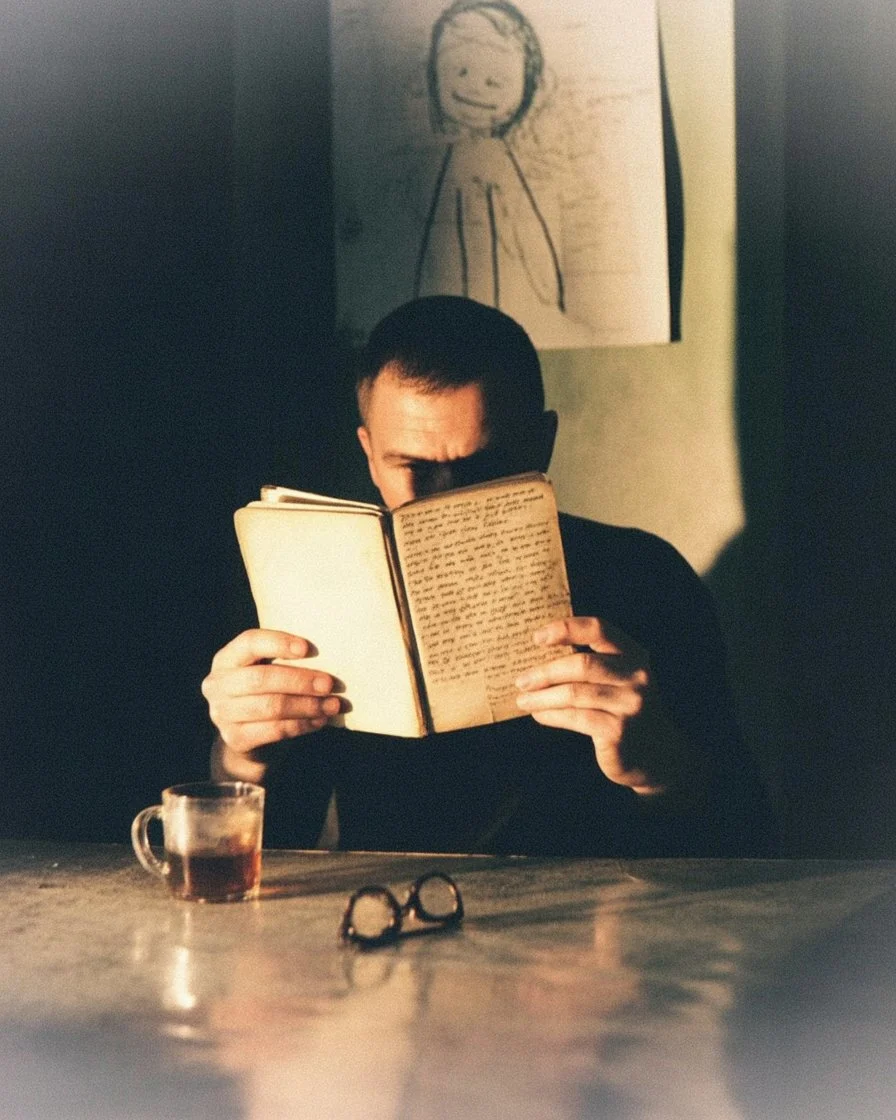
There’s a particular weight to eating alone among couples—not the comfortable solitude of eating alone at home, but the exposed vulnerability of performing independence in a space that assumes companionship. Every bite becomes conscious, every gesture monitored by the imagined gaze of others who surely pity the lonely man with his book propped against the salt shaker.
But pity assumes tragedy, and I’m not sure this is tragic at all.
The couple at the next table is arguing in whispers about money, their tiramisu forgotten between them like collateral damage. The pair by the window picks at their food while scrolling through phones, physically present but emotionally elsewhere. The anniversary celebration two tables over has devolved into the man explaining cricket statistics while the woman stares at the candle flame with the hollow patience of someone who has given up expecting to be heard.
From my corner, I watch these choreographed intimacies and wonder: who is really alone here?
Zen monks have a practice called oryoki—eating meditation where every bite is experienced fully, where the act of consumption becomes a form of prayer. There’s something approaching oryoki in eating alone in public, a heightened awareness that comes from having no conversation to dilute the experience of taste, texture, temperature.
I can actually taste my food when I eat alone. Not just consume it as social fuel, but experience it as sensation. The lamb carries hints of rosemary that would be lost in dinner conversation. The wine’s tannins register properly without the distraction of maintaining eye contact and appropriate responses.
This is eating as pure experience rather than social performance.
The loneliness exists, yes. But it’s not the desperate loneliness of abandonment—it’s the chosen loneliness of someone who has learned that solitude and isolation are different countries entirely. Solitude is voluntary geography; isolation is exile.
I think about Happy and how she never eats alone, how even when I’m traveling for work, she’ll call neighbors over rather than sit by herself at our table. “Khali khali lage,” she says. It feels empty. But what feels empty to one person might feel spacious to another.
The waiter approaches with the check, his manner softer now, as if my lack of visible distress has convinced him that maybe I’m not a tragedy after all, maybe I’m just someone who chose to eat good food in a pleasant environment without the requirement of entertaining another person.
As I leave, I catch the reflection of couples in the window glass—their bodies angled toward each other in the universal geometry of romance. Beautiful, certainly. But I’m struck by something else: how rarely they look up from each other to notice what surrounds them, how their intimacy creates a bubble that excludes the wider world.
There’s a richness to eating alone among couples that eating alone at home can’t provide. It’s the richness of being fully present to your own experience while observing the complex theater of human connection around you. It’s anthropology with appetizers, sociology with wine.
Outside, the street vendors are setting up their late-night stalls. Couples walk hand in hand, planning their next meal together. And I walk alone, already tasting tomorrow’s solitary lunch, already looking forward to the particular luxury of having no one to consult but my own hunger, no conversation to maintain but the one between myself and whatever dish I choose to experience completely.
The architecture of solitude, I’ve learned, has room for everyone.

Leave a thought