
Visible to Millions, Known by None
My piece about my mother’s death was shared 50,000 times in three days. Strangers praised my vulnerability, quoted my words, sent messages about how deeply it moved them. For a week, I was visible to more people than I’d ever imagined possible. And I had never felt more alone.
This is the paradox of digital connection: we can be seen by millions while remaining invisible to ourselves.
The Empty Applause
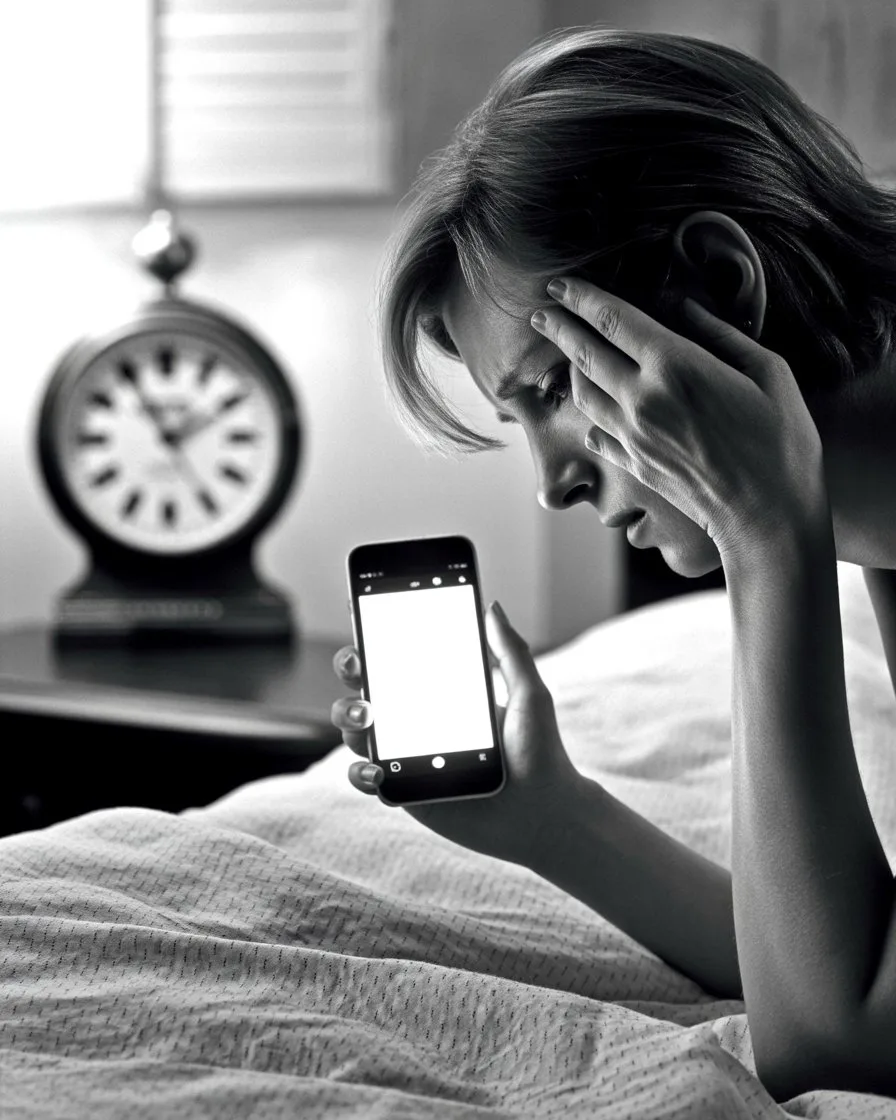
The notifications came like digital applause—thousands of hearts, hundreds of comments, dozens of shares. Each ping triggered a small dopamine hit, a momentary validation that my pain had been transformed into something valuable. But when the phone went quiet and the metrics stopped climbing, I sat in our small apartment with the same grief, the same questions, the same fundamental aloneness that no amount of viral engagement could touch.
The numbers kept climbing. 10,000 shares. 20,000. 35,000. Each milestone felt significant until I reached it, then immediately meaningless. The engagement metrics created illusion of connection—all these people responding to my words must mean something, must provide some comfort, must fill some void. But they didn’t. They couldn’t.
Between notifications, the silence was louder. The apartment still felt empty without my mother’s calls. The grief still sat heavy in my chest. The questions about what I could have done differently still circled endlessly. The viral post changed none of this. It just added another layer—now I was grieving while also performing grief for an audience of thousands.
The dopamine hits became addictive and hollow simultaneously. I’d refresh compulsively, watching the numbers climb, reading comments from strangers who felt connected to my experience. Each validation was real and meaningless at once. They were moved by my words. But I was still alone with the loss those words described.
The Performance of Pain
The strangers who connected with my words weren’t connecting with me. They were connecting with a performance of my pain, a curated version of my vulnerability, a carefully crafted representation of an experience that was infinitely more complex and messier than any piece of writing could contain.
I had edited the grief. Cut the parts that were too raw, too ugly, too specific. Shaped the narrative to be readable, relatable, shareable. The piece was honest—painfully so—but it was also performed. Every word chosen, every detail included or excluded, every emotion calibrated for maximum impact and universal resonance.
The real grief was messier. Some days I felt nothing. Some days I felt everything. Some days I was angry at her for dying, then guilty for the anger. Some days I couldn’t remember her face without looking at photos. Some days I snapped at Happy over nothing because the grief had nowhere else to go.
None of this made it into the viral post. The piece that 50,000 people shared was grief distilled, refined, made palatable for mass consumption. It was true but incomplete. Authentic but curated. My actual experience but also performance of that experience for audience I didn’t know I was writing for.
They knew my loss but they didn’t know me—the man who struggled to get dressed that morning, who snapped at Happy over breakfast, who felt guilty for feeling nothing while feeling everything. They knew the writer who could articulate grief beautifully. They didn’t know the person living it badly.
The Isolation of Being Known
I started to understand why so many viral sensations end up more isolated than before their moment of fame. When millions of people think they know you based on a single post, video, or story, it becomes almost impossible to be known by anyone in any real way.
The viral version of yourself becomes a mask you can’t remove, a performance you’re expected to maintain, a brand that overshadows the person. People approached me—online and eventually in person—with assumptions about who I was based on those 1,500 words about my mother’s death. They thought they knew me. They thought we had connection.
But they knew a character I’d created, a version of myself frozen in that particular moment of grief, performing vulnerability for readers I’d never meet. The real me kept living, kept changing, kept experiencing the messy ongoing reality that the viral post couldn’t capture. But strangers kept relating to the published version, the static representation, the performance that was already outdated by the time it went viral.
This created strange split. The viral-me existed in thousands of strangers’ minds as fixed entity—the guy who wrote beautifully about losing his mother, the one who was so vulnerable, so articulate, so moving. The actual-me continued struggling with grief that looked nothing like the essay, experiencing moments that didn’t fit the narrative, being messy and human in ways the performance excluded.
The gap between these versions became isolating. No one knew the actual-me anymore—they only knew the viral-me. And the viral-me wasn’t real enough to provide actual connection, just familiar enough to prevent real knowing.
The Witness Who Actually Knew
Happy watched me during those days of viral attention with a mixture of pride and concern. She knew the man who wrote those words about grief—she’d watched me struggle with them for months, held me while I cried, listened to me read early drafts that were too raw to share.
But the version of me that strangers were celebrating felt foreign to her, and increasingly foreign to me. She’d seen the grief before I shaped it into essay. She’d witnessed the moments that didn’t make it into the piece—the anger, the numbness, the days I couldn’t function, the nights I couldn’t sleep. She knew the whole person, not just the performance.
The strangers’ praise was for someone she didn’t quite recognize. They celebrated my vulnerability, but she’d seen actual vulnerability—not the curated kind fit for publication but the raw, ugly kind that happens when defenses collapse. They admired my articulation, but she’d heard me struggle to find words, to make sense of loss that defied language.
She was proud that I’d created something meaningful. But she was concerned that I was disappearing into the viral version, that the performance was consuming the person, that the mask was becoming permanent. She could see the isolation that came with being visible to millions—how it prevented being truly seen by anyone.
Her concern was valid. I was starting to edit myself in real life, to perform the viral version even when the phone was off. The grief that strangers had connected with became the grief I was expected to display. The vulnerability that had resonated became template for acceptable emotion. I was becoming the essay instead of the person who wrote it.
The Hall of Mirrors
The comments section became a hall of mirrors, each reflection distorting my experience into something more palatable, more universal, more shareable than the messy reality.
People found in my words what they needed to find. They projected their own losses, their own grief, their own experiences onto my writing. This is what writing does—it creates space for readers to see themselves. But it also meant my specific grief was being transformed into universal grief, my particular mother into archetypal mother, my unique experience into template for loss.
The comments praised me for saying what they couldn’t. For articulating their pain. For giving voice to their experience. This should have felt connecting—shared human experience, mutual understanding, collective grief. Instead it felt like disappearing. My specific loss was being absorbed into everyone else’s losses, my particular grief diluted into universal truth.
Each comment reflected back slightly different version of what I’d written. Some emphasized the love I’d expressed. Others focused on the regret. Some found hope in my words. Others found permission to grieve. All these interpretations were valid—I’d written openly enough to allow multiple readings. But none of them were quite what I’d meant, what I’d experienced, what I’d tried to say.
The viral post had taken on its own life, separate from me, generating meanings and connections I hadn’t intended. This is the nature of published writing—once released, it belongs to readers as much as writer. But watching it happen in real-time, at this scale, was disorienting. The essay about my mother’s death was no longer mine. It belonged to the 50,000 people who’d shared it, who’d found themselves in it, who’d made it mean something for their own lives.
The Aftermath of Visibility
The visibility faded as quickly as it arrived. Within two weeks, the shares slowed. Within a month, the notifications stopped. The viral moment passed, as they always do, and I was left with its aftermath.
I was more alone than before, but in different way. Now strangers occasionally recognized me as “that guy who wrote about his mother.” They’d mention the essay, tell me how much it moved them, share their own loss. These interactions were kind but exhausting. Each one required me to perform the grief again, to be the vulnerable writer they remembered, to live up to the essay they’d connected with.
Meanwhile, the actual grief continued its messy, non-linear process. Some days better, some days worse, none of them matching the narrative arc implied by the viral post. But I couldn’t talk about this publicly—the audience wanted the version they’d already connected with, not the ongoing reality that complicated that version.
Happy remained the only person who knew the whole story—before, during, and after the viral moment. She’d seen me write the essay, watched it go viral, witnessed the isolation that came with visibility. She knew the difference between the performance and the person, between the essay and the experience, between being seen by millions and being known by one.
What Viral Visibility Teaches
Being seen by millions while remaining invisible to ourselves—this is the fundamental paradox of viral attention. The visibility creates isolation instead of connection, performance instead of presence, metrics instead of meaning.
The 50,000 shares didn’t ease the grief. The thousands of comments didn’t fill the void. The week of visibility didn’t make me feel less alone. If anything, it intensified the loneliness—now I was isolated not just by loss but by being known in ways that prevented actual knowing.
This is what viral moments do. They create version of you that exists for mass consumption, that resonates because it’s relatable, that spreads because it’s shareable. But this version isn’t you—it’s performance, curation, narrative shaped for audience. And once it exists, it becomes difficult to be anything else, to anyone.
The strangers who messaged me about how deeply the essay moved them weren’t wrong. It did move them. The connection they felt was real, even if incomplete. But they connected with words, not person. With performance, not presence. With curated vulnerability, not messy reality.
And I learned that being visible to millions is not the same as being seen. That digital applause doesn’t ease actual pain. That viral validation doesn’t create real connection. That you can share your deepest grief with thousands of strangers and still sit alone in your apartment, invisible to yourself, known by none.
Tonight I sit with Happy in the same apartment where I sat during those viral days. The notifications have long since stopped. The metrics no longer climb. The visibility has faded.
But she’s here. She knows the whole story, not just the viral version. She sees the person, not just the performance. She witnesses the ongoing messy reality that no essay could capture.
And for the first time since the piece went viral, I don’t feel alone.
Not because millions saw my words.
But because one person sees me.



Leave a thought