

Rain makes me a philosopher. Sunshine makes me a project manager. The same mind that asks deep questions during storms becomes obsessed with productivity when skies clear. This isn’t just my quirk—it’s something about how weather shapes human consciousness itself.
When rain falls, the world contracts. The sound creates white noise that blocks distractions. Gray light stops your eyes from jumping to every movement. Going outside needs planning. Staying inside feels justified, not lazy. The weather gives you permission to sit still and think deeply. Nobody questions why you’re not busy during a storm.
My wife notices this transformation. “Brishti hole tumi onnorokom thako,” she says. During rain you become different. I ask questions without answers. I’m comfortable with uncertainty. I think about meaning instead of tasks. The person she knows in sunshine barely recognizes this monsoon version of me.
But when the sun comes out, everything shifts. Bright light wakes up different parts of my brain. Energy floods in. The biological command arrives: do something, build something, accomplish something. Evolution taught us to use good weather for action. Our ancestors who sat around philosophizing during perfect weather while others gathered food didn’t survive long. Sunshine meant opportunity. Opportunity meant you had to move. That ancient wiring still runs through us.
The sunny mind thinks in lists. What needs doing? How do I optimize this? What’s the most efficient path? Philosophy feels like a luxury I can’t afford. There are things to accomplish, projects to finish, goals to hit. The restlessness won’t stop until I’ve justified the gift of good weather with productivity.
Here’s the strange part: I often understand life most deeply during rain, when I can’t do much about it. Then morning sunshine arrives with perfect energy and clarity to act—but I can’t fully access what I understood twelve hours ago. I remember the conclusion but not the reasoning. I know the answer but forgot the question.
So I make lists. I optimize schedules. I plan projects. All productive, none profound. The depth that felt so real last night has evaporated with the clouds. Then evening rain returns, and I’m questioning whether this morning’s productivity actually mattered or just satisfied some ancient urge to look busy during good weather.
Maybe both states serve necessary purposes. Rain for reflection, sun for action. Storms for questions, calm for answers.
The insights generated during rainy evenings give foundation to the projects executed during bright mornings. Without rain’s contemplation, sunshine’s action has no direction. Without sunshine’s implementation, rain’s philosophy stays abstract and useless.
The rain brain asks: What matters? Why am I doing this? What makes life meaningful? These questions seem impractical until their answers inform every choice you make afterward. Philosophy isn’t separate from action—it’s the navigation system that tells you which actions are worth pursuing at all.
The sun brain takes what the rain brain discovered and makes it real. It translates understanding into concrete steps. It moves insight from internal recognition to external manifestation. It builds what contemplation designed.
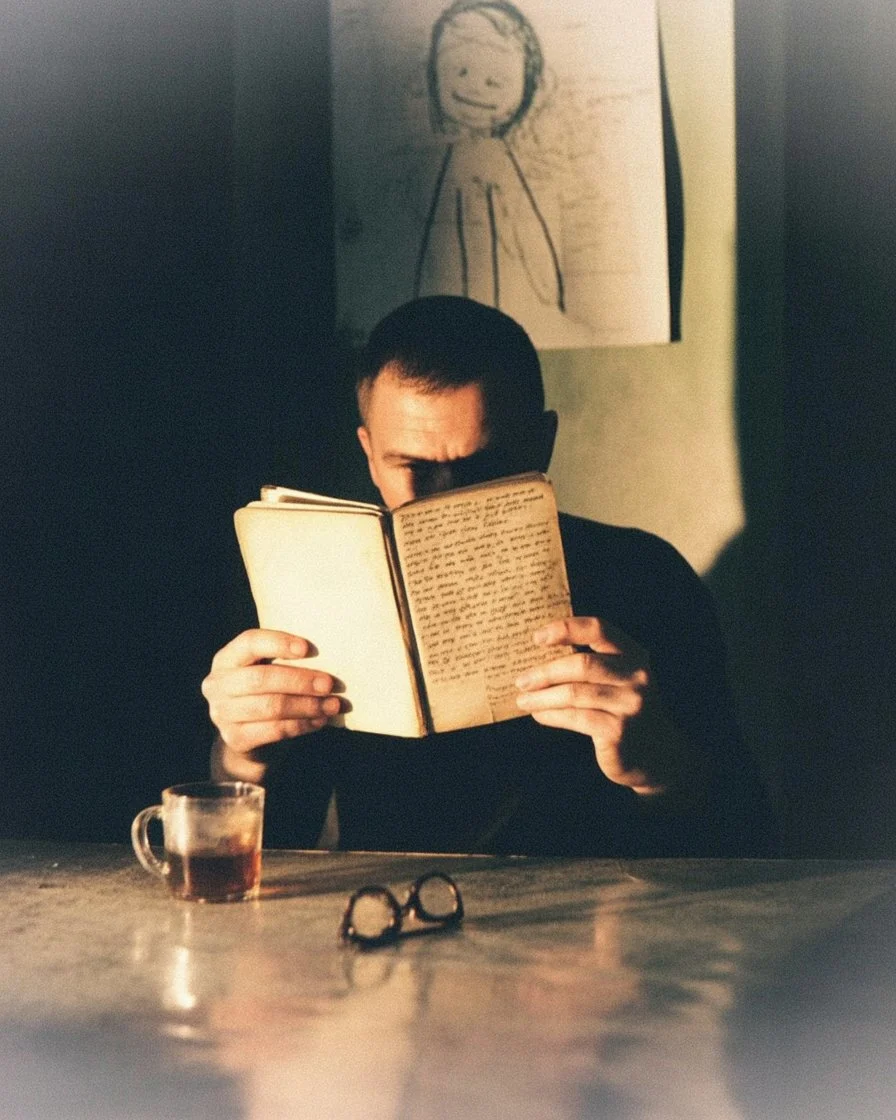
The challenge is keeping continuity between these weather-dependent states. I’ve started keeping “monsoon notes”—not task lists but question lists, observations, half-formed thoughts that only make sense during rain. When sunshine returns with its productivity urge, I read them first. I let the contemplative work guide the active work.
This creates dialogue between my weather selves. The philosopher poses questions; the project manager designs experiments to answer them. The contemplative identifies what matters; the productive figures out how to achieve it. They’re not fighting—they’re collaborating across atmospheric conditions.
Neither mode alone makes complete thinking. Rain without sun produces endless reflection that never becomes real. Sun without rain produces efficient execution of potentially meaningless tasks. You need both.
I’ve stopped fighting my monsoon mind or feeling guilty about my sunshine drive. They’re not contradictory—they’re complementary. The philosopher and project manager aren’t competing for control. They’re partners working different shifts, each doing what they do best in their appropriate weather.
When rain arrives, I welcome the questions. When sun returns, I welcome the answers. Both are thinking. Both create value. Both need their season.
Weather forecasts help now. Knowing rain approaches tomorrow, I prepare questions for my contemplative self to explore. Knowing sunshine follows, I ready projects for my productive self to advance. I’m learning to work with both versions of myself instead of wishing one would permanently defeat the other.
We all contain multitudes. Some emerge during precipitation, others during clear skies. Wisdom isn’t choosing between them—it’s learning to honor both, to let each do its work in its proper time.
The rain is falling now. The questions are rising. Tomorrow’s sunshine will know what to do with them. This is how consciousness works when you stop fighting the weather and start working with it. This is how thinking becomes whole.



Leave a thought