Speaking to the Future with Mortal Hands
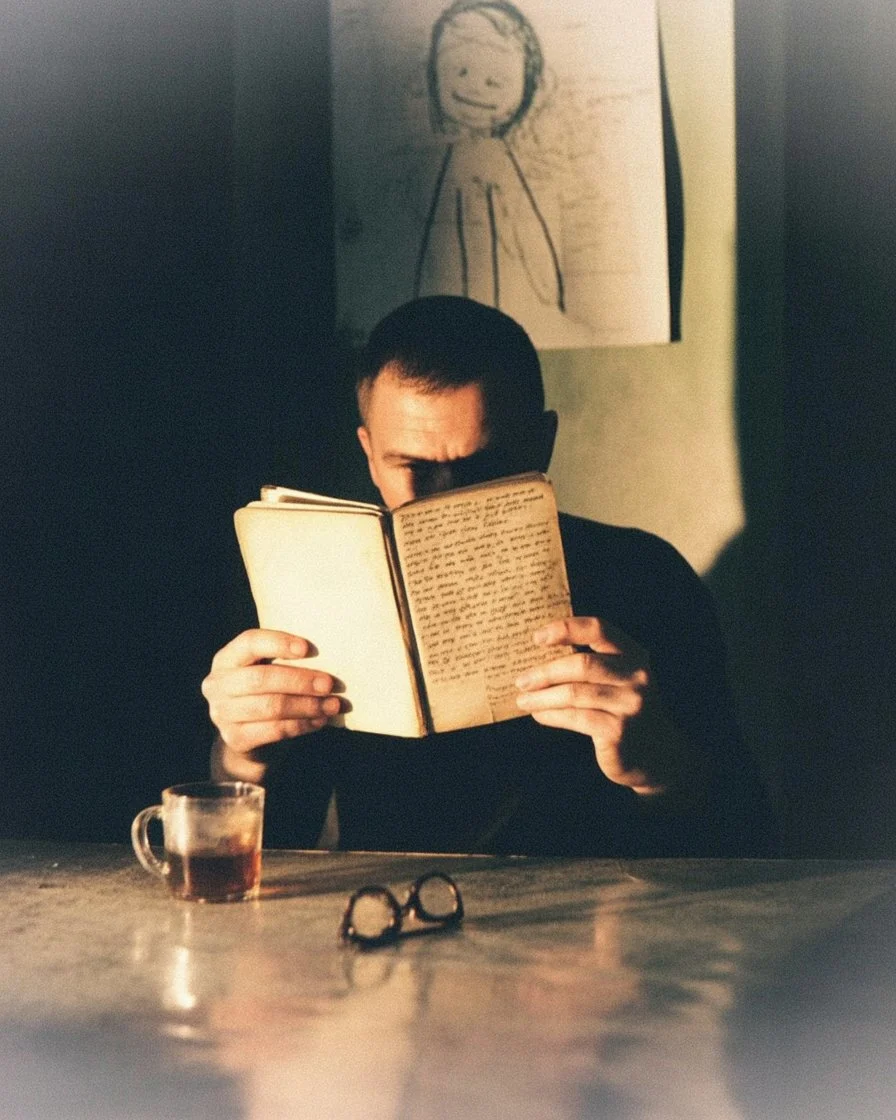
Writing this sentence, I realize it might outlive me. These words could exist long after my voice has fallen silent, after the particular timbre and inflection that makes it mine has faded from memory, carrying some fragment of my consciousness into a future I’ll never see—a future where I am only these words, this arrangement of thought frozen in time.
The weight of this realization is overwhelming. I am creating something permanent with temporary hands. I am speaking to unknown readers through artifacts that will survive flesh, bone, blood—all the vulnerable matter that makes me real in this moment but guarantees my eventual absence. My fingers that type these words will one day be dust, yet the words themselves might persist, migrating from medium to medium, copied and preserved by people who never knew I had fingers at all.
Every artist faces this strange responsibility, whether they acknowledge it or not. What deserves preservation? What version of yourself do you leave behind when you cannot be present to explain, to clarify, to say “that’s not quite what I meant”? The work becomes both monument and ghost—representing you without your presence to correct misunderstandings, to provide context, to reveal the gap between intention and execution. Future readers will construct you entirely from what you’ve left behind, building a version of you from fragments, necessarily incomplete, possibly wrong.
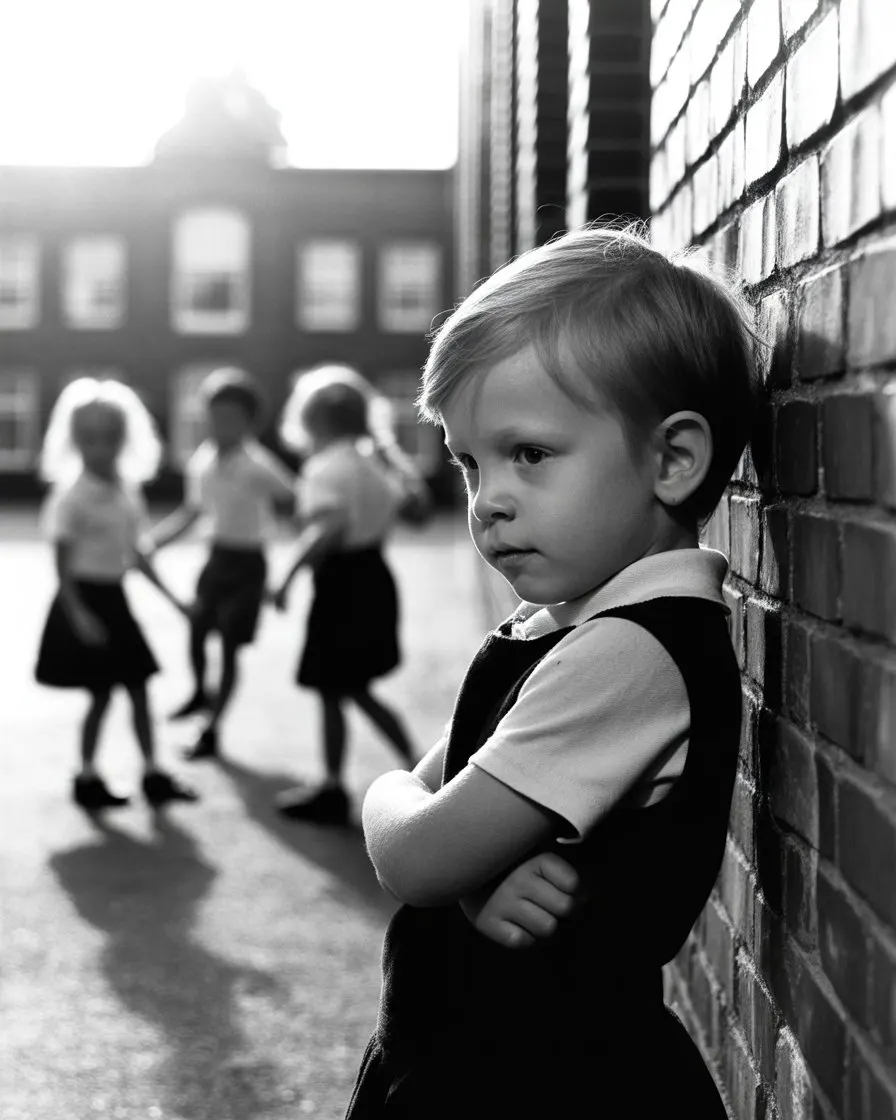
I think often about the letters my grandfather never wrote, the stories my mother never told, the particular way they saw the world that died with their eyes. What color was my grandmother’s favorite dress? What made my grandfather laugh until he couldn’t breathe? What small, ordinary moments shaped their understanding of what it means to be alive? These questions have no answers now. The people who held those answers took them into silence.
Now I carry the burden of speaking not just for myself but for the silences they left behind. I feel the weight of their unrecorded lives pressing against my own impulse to remain private, to keep my inner world safely hidden. Who am I to assume my thoughts matter enough to preserve? Yet who am I to let another generation pass without witness, adding my silence to theirs, extending the erasure?
Creating for posterity fundamentally changes the creative act itself. Each word carries additional weight when you realize it might be the only evidence of your inner life that survives. What seems like a casual observation today could become, in fifty years, the sole record of how someone in this time understood love, or loss, or the strange quality of light on an October afternoon. The responsibility to be honest intensifies when the honesty becomes historical record, when your private truth becomes public testimony about what it felt like to be human in this particular moment.
This awareness can be paralyzing. Knowing that your work might outlive you by decades or centuries creates a pressure to be profound, to matter, to justify the cosmic accident of permanence. You imagine future readers—their judgment, their incomprehension, their misinterpretation of everything you meant to say. You wonder if you should explain more, provide more context, make yourself clearer. The weight of potential immortality crushes spontaneity.
Yet something unexpectedly liberating emerges from fully accepting mortality while creating immortal things. Once you truly internalize that you will die, that all your anxieties about reputation and legacy and being understood are ultimately futile because you won’t be there to experience any of it, a strange freedom arrives. The work matters more than the worker. The message matters more than the messenger. Your role is not to control how you’re remembered but to create something worth remembering, even if it’s remembered wrong.
True creation transcends the creator, speaking truths that outlast the person who first spoke them. Shakespeare didn’t know he was writing for four centuries of readers. Emily Dickinson didn’t know her private poems would be published. Van Gogh didn’t know his paintings would be worth millions. They created from their own necessity, their own obsession, their own inability not to make what they made. The immortality was accidental—a byproduct of making something true enough to resonate beyond its moment.
Perhaps this is the real lesson of creating for posterity: you can’t actually do it intentionally. You can’t manufacture timelessness or engineer lasting relevance. All you can do is be brutally honest about your own experience, trust that human experience has enough commonality that your particular truth might illuminate someone else’s, and accept that you have no control over what survives or how it’s interpreted.
The permanence of creative work is both burden and gift. It’s a burden because it demands we take ourselves seriously enough to believe our perspective matters, that our inner life is worth documenting, that we have something to say to people we’ll never meet. It’s a gift because it allows us to reach across time, to connect with the dead through what they made, to leave something behind that might comfort or challenge or inspire someone who needs exactly what we had to offer.
I write this knowing I might be wrong about everything. Knowing that if these words survive, they’ll be read in contexts I can’t imagine, by people with concerns I can’t anticipate, in a world I won’t inhabit. Knowing that the “I” who writes this sentence will be gone, reduced to whatever fragments of consciousness these words can carry.
But I write anyway. We all do. We paint, we compose, we create, driven by something deeper than the desire for immortality—the simple human need to say “I was here. I saw this. I felt this. I understood the world this way.” We create not because we believe we’re important enough to be remembered, but because the alternative—letting our particular way of seeing die unrecorded—feels like a betrayal of the gift of consciousness itself.
In the end, creating for posterity is not about ego or legacy. It’s about participating in the ongoing human conversation, adding our voice to the chorus of everyone who has ever tried to make sense of existence, knowing that some voices will be remembered and others forgotten, but that all of them together form the record of what it meant to be alive. We create with mortal hands, and we create mortal things that might, through accident or grace, achieve a kind of immortality. The paradox is the point.

Leave a thought