
When Perfect Prose Meets Messy, Honest Speech
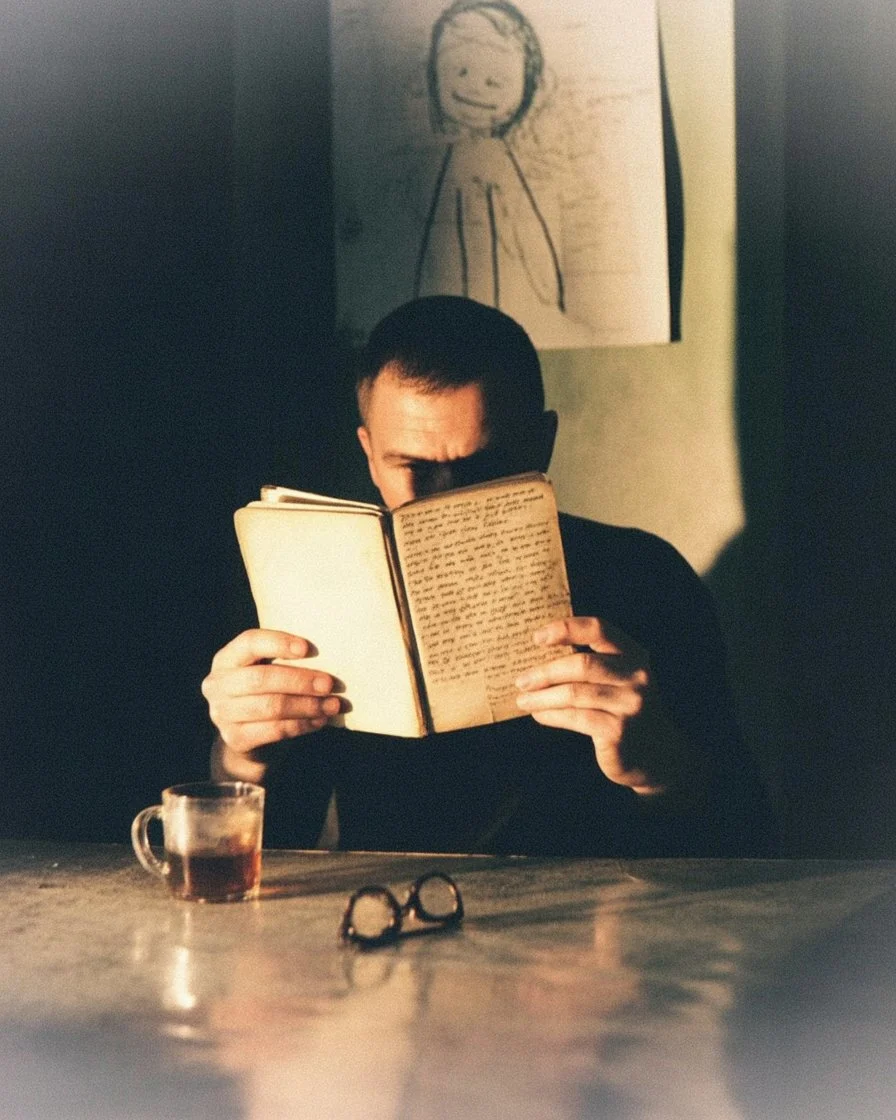
I watch the cursor blink, patient as a metronome, waiting for my thoughts to arrange themselves into presentable formations. On the screen, I am eloquent. I am considered. I construct sentences with the precision of an architect, each word load-bearing, every pause calculated for maximum impact. Delete. Rewrite. Perfect.
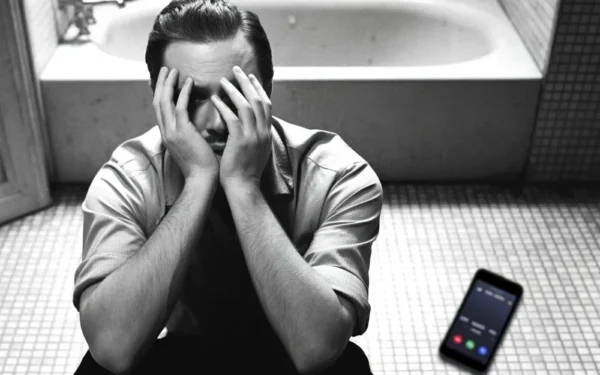
But thirty minutes later, sitting across from my wife at dinner, asked the simple question “How was your day?”—I stumble. Words collide in my mouth like traffic. My thoughts arrive in the wrong order, key details forgotten, important nuances lost in the machinery of real-time translation from mind to tongue.
Writing is thought with a pause button. Speaking is thought in free fall.
The blank page offers what conversation cannot: time. Time to excavate the precise word buried beneath layers of almost-right alternatives. Time to hear how sentences sound before they’re born into the world. Time to become the person I always imagined I was—articulate, thoughtful, worth listening to.
In writing, I am the director of my own mind. I can rearrange scenes, edit dialogue, cut the boring parts. I can take the scattered fragments of my inner life and arrange them into something that resembles coherence. The reader receives the final draft of my thoughts, never seeing the cutting room floor littered with false starts and abandoned ideas.
But speech is live performance, no dress rehearsals, no second takes. Every word once spoken becomes archaeological evidence of my mental state at that precise moment. Every stutter, every “um,” every incomplete thought broadcast my humanity in frequencies I can’t control.
We are all better writers than speakers because writing lets us become who we wish we were, while speaking reveals who we actually are.
I think about the conversations I’ve imagined versus the conversations I’ve lived. In my mind, I am always prepared with the perfect response, the devastating comeback, the compassionate insight that changes everything. But in real time, with actual humans breathing actual air in actual rooms, I reach for these prepared phrases and find my mental filing system in chaos.
The brilliant observation I crafted during my morning shower dissolves the moment it meets someone else’s eyes. The careful argument I constructed while walking evaporates when faced with the unexpected warmth of someone who disagrees with me gently rather than hostilely.
Writing protects me from the inconvenient reality of other people’s timing. When I write about loneliness, I don’t have to field interruptions about dinner plans. When I explore complex ideas on paper, I don’t have to navigate someone else’s facial expressions, their shifting attention, their need to contribute their own thoughts before I’ve finished developing mine.
The page listens perfectly, never interrupting, never misunderstanding, never checking its phone.
But here’s what I’m learning: the imperfection of speech might be its greatest strength. When I stumble over words in conversation, I reveal something more honest than eloquence ever could. When I struggle to express an idea aloud, the struggle itself becomes part of the communication—a vulnerability that written words, no matter how carefully crafted, cannot replicate.
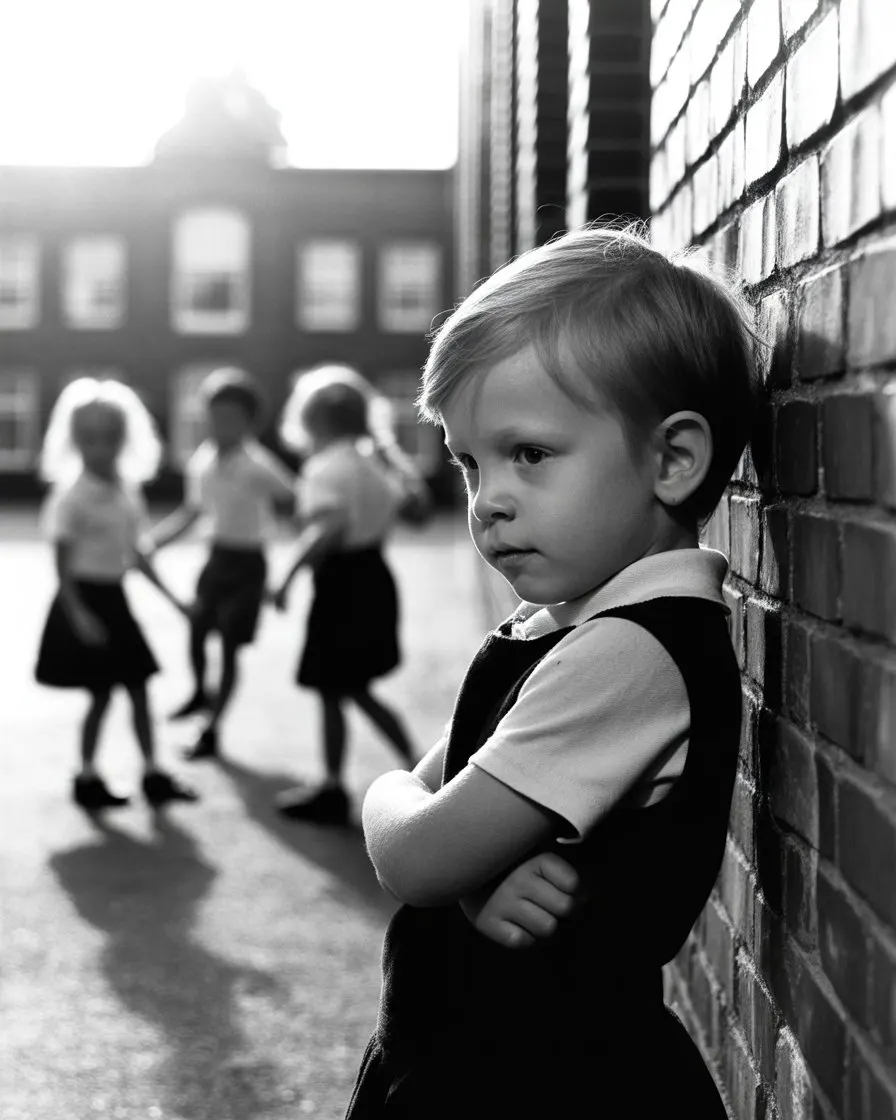
My son’s questions arrive unedited, unfiltered by self-consciousness. “Baba, why do you seem sadder when you’re thinking than when you’re talking?” His observation cuts through my carefully constructed presentations of self to something truer underneath.
In writing, I can hide behind revision. In speaking, I am exposed in real-time, my thoughts naked and imperfect, wearing their uncertainty like ill-fitting clothes. But this exposure creates connection in ways that polished prose cannot. When I struggle for words in front of another person, they witness my humanity in motion, thought caught in the act of becoming.
Perfect writing creates admiration. Imperfect speaking creates intimacy.
The tragedy is that we judge our conversational selves by the standards of our written selves, forgetting that they serve different purposes in different universes. Written words exist outside time, perfected for eternity. Spoken words exist only in the moment, alive and dying simultaneously, carrying not just information but breath, presence, the irreplaceable nowness of being human together in the same room.
I’ve started paying attention to the conversations that move me most—rarely the polished presentations but the moments when someone’s words stumble toward truth, when their struggle to articulate something difficult becomes more eloquent than eloquence itself.
My wife, trying to explain her grief about her mother, starts and stops, her words inadequate to the weight they’re carrying. But in her hesitation, in the spaces between her attempts, I hear something no written account could convey—the living texture of loss, still warm, still breathing.
What if our imperfect speech is not a failure of our perfect thoughts, but access to truths that perfection cannot reach? What if the most important things we need to say can only be said imperfectly, in real time, with all the beautiful inadequacy of being human together?

Leave a thought