
Why Do We Have Daylight Savings Time — And Who Actually Benefits?
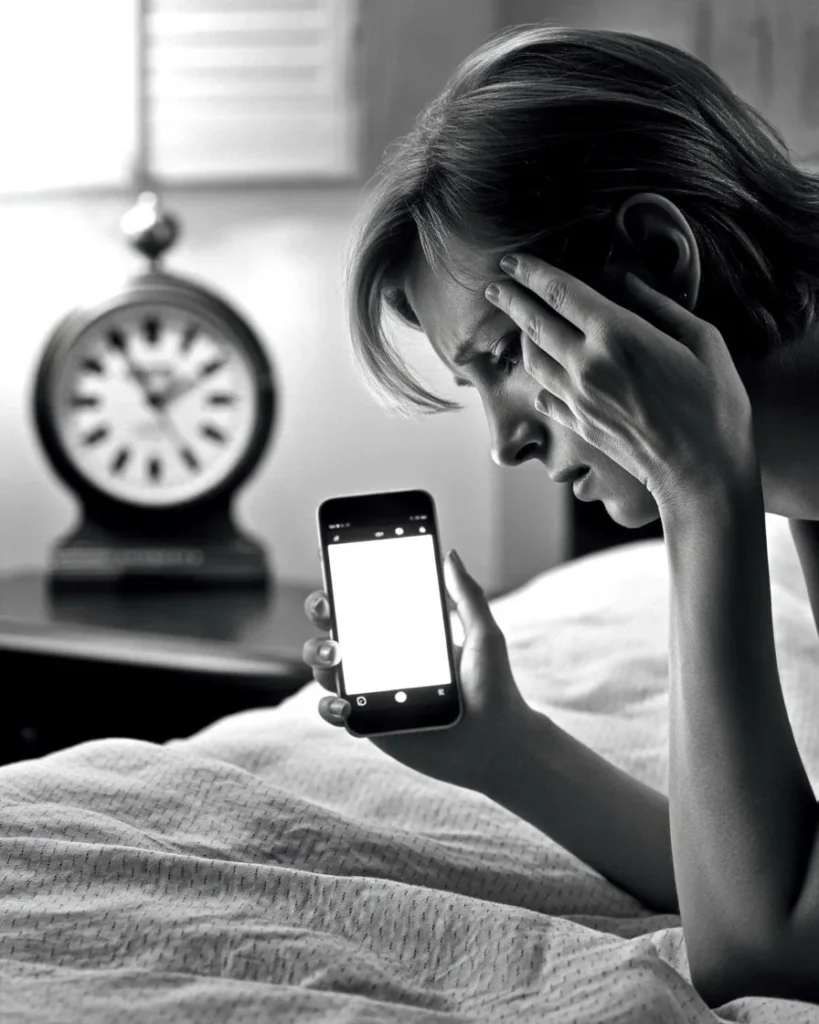
This morning, someone took an hour from you.
You didn’t notice. You were asleep.
Once a year, the clock change happens. Everyone wakes up slightly confused, slightly tired, slightly late. The phone adjusted automatically. The microwave still says the wrong time. The body knows something is off but cannot name it.
This is daylight savings. An hour removed from your life by people in a room who decided, on your behalf, that time needed adjusting.
You did not vote on this. You were not asked.
Why do we have daylight savings time — this is the question everyone asks when the alarm goes off wrong.
The answer is: nobody really knows anymore.
It started as a story about farmers. The farmer myth said they needed more morning light to work the fields. This was never true. Farmers hated it then. They hate it now. Their animals do not care what the clock says. Cows do not observe time zones.
Then it became a story about energy saving. Less light used in the evening. More efficient. More productive. Studies were done. The studies found the opposite. The productivity myth collapsed. Energy use went up, not down.
The real reason why do we have daylight savings time is simpler and worse: because it started, and stopping things is harder than continuing them. Because government control over the clock became normal. Because nobody powerful enough to stop it cared enough to stop it.
So every year the time change happens. And everyone lose sleep over something nobody can explain.
Here is the brutal truth about the stolen hour:
You will not get it back.
Spring forward means sixty minutes of your life disappear. Not postponed. Not saved somewhere. Gone. You will be one hour older by the end of today having lived one hour less.
And next time someone asks why do we have daylight savings time, the honest answer is: because we allowed it. Because we treated time like it belongs to the calendar instead of to us. Because we forgot that an hour is not an abstraction. It is your life, measured in the smallest unit that still feels real.
The sleep disruption is not small.
The body clock does not care about legislation. The circadian rhythm is older than governments, older than clocks, older than the entire idea that humans get to decide when morning begins. It is tied to light. To darkness. To the slow movement of the sun.
When the clock change comes, the body takes days to adjust. Sometimes weeks. The sleep schedule breaks. Time confusion settles in like bad weather. Accidents increase. Heart incidents increase. Productivity — the very thing the system claimed to improve — drops.
The body knows what time it is. The body is never wrong about this.
The clock is wrong. The body pays for it.
Why do we have daylight savings time — ask this question longer and you arrive somewhere uncomfortable.
Time manipulation is normal now. We accept that an outside authority can move the sun forward, can steal the morning, can give back the evening, can reset clocks twice a year and expect everyone to simply comply.
The time debate has been happening for decades. The senate bill to make permanent time has been introduced, discussed, celebrated, and quietly forgotten. Multiple times. In multiple countries.
Because the people who would change it are inside the same system that created it. And systems do not dismantle themselves. They adjust. They justify. They continue.
So the debate continues. The annual tradition of losing an hour continues. The time history of this absurd practice grows longer every year, and the explanation grows thinner, and everyone accepts it because what else do you do.
Time psychology says this: the way we mark time shapes the way we experience it.
When you spring forward, you lose morning light. The morning feels wrong. The commute feels dark when it should be bright. The body expected one thing and received another.
When you fall back, you gain an hour in autumn — but that hour arrives in darkness. The evening light disappears earlier. People go home in the dark. Something in the mood shifts. The season already feels like loss, and then the clock confirms it.
We engineered the worst possible relationship with the two things humans need most: light and sleep.
Here is the thing nobody says during the time change:
You will die having never gotten that hour back.
Every spring forward is permanent. The body that woke up one hour earlier today will not live one hour longer at the end. The ledger does not balance. The extra hour of evening light you receive in summer costs an hour of morning in spring and it costs it immediately, upfront, taken while you slept.
This is why do we have daylight savings time stripped to its core: because someone decided that your time was adjustable. That the hours of your life could be moved around on a calendar for reasons that no longer exist, justified by studies that proved the opposite, continued by inertia dressed up as tradition.
And every year, without protest, without even real complaint — just mild confusion and wrong microwaves — you accept it.
The abolish DST movement exists. Has existed for years. In every country that observes this practice, there are people arguing clearly, with evidence, that it causes harm, solves nothing, and should end.
They are right. They have always been right. The evidence is not disputed.
And yet this morning, the clock changed.
And you woke up one hour poorer.
And tomorrow you will adjust.
And next year, it will happen again.
The most honest answer to why do we have daylight savings time is this:
Because you let them.
Because everyone lets them.
Because an hour sounds small enough to give away.
But they have been taking it every year for over a century.
That is weeks. That is months.
That is your life, one stolen hour at a time, while you were asleep.
Set your clocks.
Lose your hour.
Go about your day.
This is the tradition.
This is the deal.