Stolen
Someone Moved the Sun While You Slept
This morning the clock said 8. The body said 7. One of them was lying.
This is daylight savings 2026. It happened last night. You were unconscious. Someone reached into the machinery of time and pulled a lever, and now the morning is missing sixty minutes and the microwave still blinks the wrong number and somewhere in the chest there is a dull, unnamed wrongness that will not go away until Thursday.
The phone adjusted automatically. The phone always adjusts automatically. The phone does not ask.
A friend called in the morning. Not early — it only felt early.
He said: Did the time change today?
I said: Yesterday. While we were sleeping.
He went quiet for a moment. Then he said: I thought I was just tired.
You were. You are. The tiredness is real. The spring forward 2026 already happened and the body is behind and the body does not catch up quickly. The circadian rhythm is older than the country that invented this practice. Older than the concept of a country. Older than the clock itself. It runs on light and darkness, on the slow arc of the sun — not on legislation, not on a senate bill, not on what time the phone says.
When the clock change comes, the body takes days. Sometimes two weeks. Sometimes longer in the old and the very young. The sleep schedule breaks and does not announce itself as broken. It just feels like weather. Like something moved in.
Nobody tells you that accidents increase the week after spring forward. The heart incidents. The small disasters. The car that drifted. The decision made badly at an hour that used to be a different hour.
Nobody tells you because it would make the whole thing too hard to accept.
So instead there are articles asking when is daylight savings time and what time does the time change and did we lose an hour today and do we lose an hour or gain an hour — and the articles answer the question and then move on, as though the question were neutral, as though did we lose an hour is the same kind of question as what time does the coffee shop open.
We did lose an hour.
Not borrowed. Not saved. Lost.
The Farmer Who Didn’t Ask For This
The origin story goes like this: the farmers needed it.
This is false. The farmers said it was false at the time. They are still saying it. The animals do not care what the clock says. The cow does not know it is daylight saving time. The crop does not read a calendar. The farmer woke before sunrise regardless, because the sun did not send ahead a schedule.
The farmer story was always a justification wearing the costume of a reason.
Then came the energy story. The energy savings. The efficiency. Clocks forward meant less electricity used in the evening, which meant something about national productivity, which meant something about the economy, which meant — and here the reasoning gets thin — something good.
Studies were conducted. The studies found the energy use went up. Not down. The air conditioning runs harder in the hot summer evenings that now stay light longer. The numbers went the wrong way.
This was documented. Published. It did not matter.
The daylight saving time clocks changed anyway, the year after those studies. And the year after that. Dst 2026 arrived the same as dst 1995. The same as it will arrive in 2035 if no one stops it.
Because stopping things is harder than continuing them.
That is the whole explanation. There is no other explanation.
What the Body Already Knows
The child woke up and said: It’s still dark.
I said: It’s morning.
She looked at the window. Looked back. Said: Why is it still dark if it’s morning?
I did not have an answer that made sense. I said something about clocks. About time change 2026. About spring forward and how the light would come back in a few days. She accepted this the way children accept things that don’t make sense — briefly, and with visible doubt.
She was right to doubt it.
The body is never wrong about darkness. It knows that darkness is not morning. You can change the number on the clock but you cannot change what the eye receives, what the hypothalamus measures, what the whole elaborate chemistry of sleep and waking runs on.
The circadian rhythm does not receive the DST memo.
So the body wakes up in darkness and is told it is late. Goes to sleep while still alert and is told it is night. Eats at hours that feel wrong. Drives at hours that used to be different hours. Sits in meetings in the afternoon slump that arrives an hour earlier than it arrived last week.
What time is it, someone asks.
The phone says one thing.
The body says another.
Both are speaking the truth. They are just speaking about different things.
The Bill That Never Passed
There was a senate bill. More than one. In multiple years. In multiple countries.
The abolish dst movement is not fringe. It is not conspiracy. It is doctors, chronobiologists, sleep researchers, safety boards, economists — people who study what the time change actually does, in actual bodies, in actual traffic, on actual heart monitors.
They said: this causes harm.
They said: the evidence is not disputed.
They said: when does daylight savings time end permanently — and then answered their own question with legislation, with research, with testimony.
The bills were introduced. Celebrated for a news cycle. Then slowed down, tabled, deferred, revised, conflicted with other bills about which permanent time to choose — standard or daylight — and eventually forgotten.
Because the people who would end it are inside the same structure that created it. And structures do not tend to end things that have become normal.
Is daylight savings tonight, someone asks every October.
Is daylight savings 2026 forward or back, someone asks every March.
The questions come back. Identical. Every year. Like the practice itself — circular, unexamined, inherited.
An Hour Sounds Small
The grandfather used to say: an hour is nothing.
He was talking about waiting. About patience. About how an hour of discomfort is nothing against a life.
He was right, in that context.
He was not right about this.
The spring forward 2026 already took the hour. Present tense, past tense — it has already happened. You are reading this in the missing hour’s shadow. The body that woke up this morning is one hour older than it was at midnight but has lived one hour less.
This is not metaphor. The ledger does not balance. There is no savings account where the spring forward hour is held until fall. The fall back gives back an hour in October — but that is not the same hour. You are not the same person. The morning you lost in March is not returned in November. A different morning is added, darker, colder, with the year already turning toward its end.
Over a lifetime: dozens of hours. A week of your life, taken in sixty-minute installments while you were unconscious.
Not all at once. All at once would be noticeable.
This way, it is only an hour. Just an hour. Did we lose an hour of sleep tonight? Yes. But only an hour. Go back to sleep.
Nobody Was There
The strange part is how alone it happens.
The hour change 2026 occurred at 2 a.m. There were no witnesses. No ceremony. No announcement. The clock moved and the world continued and in the morning people asked did the time change today as though checking whether something real had occurred or whether they had imagined it.
It occurred.
At 2 a.m. on March 8, 2026, the time in the United States moved to 3 a.m. The clocks change 2026, and it was a Sunday, and everyone was asleep, and sixty minutes of life were removed from the world without anyone noticing.
This is the hour change. This is what it looks like from the inside: it looks like nothing.
You wake up and the phone says 8. The body says 7. The microwave says something else entirely. The dog does not know. The child does not know. The commute will feel wrong on Monday. The first week will feel compressed and strange, like jet lag from a place you didn’t travel to.
Was there a time change today — yes. There was.
Was it daylight savings last night — yes. It was.
Did you sleep through it — yes.
That is how it was designed.
The Light We Traded For
Here is what we were promised.
Longer evenings. Summer light in the evening hours. The ability to walk home before dark. Dinner at an outdoor table with the sky still going. The sense of summer stretching, the days refusing to end.
This is real. It is also real that we paid for it.
The spring forward takes the morning. March 8, 2026, and beyond: darker mornings. The commute darker. The child’s walk to school darker. The body that needs morning light to begin its cortisol cycle properly — that body waking in the dark, being told it is day.
We traded morning light for evening light. This would be neutral if the body treated both equally. It does not. Morning light sets the clock. Evening light extends the day but does not reset what the morning failed to provide.
So the summer evening is beautiful. Real. Worth something.
And the Monday after spring forward 2026 is a particular kind of hard — the kind that has no name because naming it would mean admitting that time manipulation has a cost.
Did we spring forward today — yes.
Do we lose an hour tonight — we already did.
Are we losing an hour of sleep — we already lost it.
These questions. All the same question. Asked with genuine confusion. Every March. As though the answer might have changed.
What the Clock Says
The debate has been happening for decades.
When does daylight savings time end permanently — this search query has been entered millions of times. In every country that observes this practice. By people who have lost the argument. Who have found the studies. Who have read about the increased accidents and the cardiac events and the weeks of disrupted sleep. Who have understood that the energy savings were fiction.
They search. They find articles. The articles explain the history and note the ongoing debate and say many experts believe and studies have shown and then end with something like but for now, the practice continues.
For now. As though it might stop any day.
It does not stop.
Summer time 2026 will follow spring forward 2026 as it has followed every spring forward. The clocks forward 2026 have already happened. Daylight saving 2026 start and end: March 8 to November 1. Same as last year. Same as next year. The exact time of the change: 2 a.m. The same 2 a.m. it has always been.
When do we change the clocks back — November.
Until then, the stolen hour stays stolen.
Spring
Outside, the light is different now. By evening it will be noticeable — the sky holding on longer than yesterday, the street still visible after dinner. This is real. The children will play longer. Something in the mood will lift.
By Thursday the body will have adjusted.
By next week, no one will remember the confusion.
The sunrise on March 9 is 7:28 a.m. where I am. Yesterday it was 6:27. The sun did not move. The sun is in the same position it would have occupied at 6:27 under standard time. We moved. The clock moved. We called the same position of the sun by a different number and told ourselves we had gained something.
The sunset will be 7:30 p.m. instead of 6:30.
This is what was purchased. One hour of evening light.
The body paid for it at 2 a.m. in its sleep.
Whether the trade is fair is a question the senate keeps scheduling for later.
Did the Clocks Change
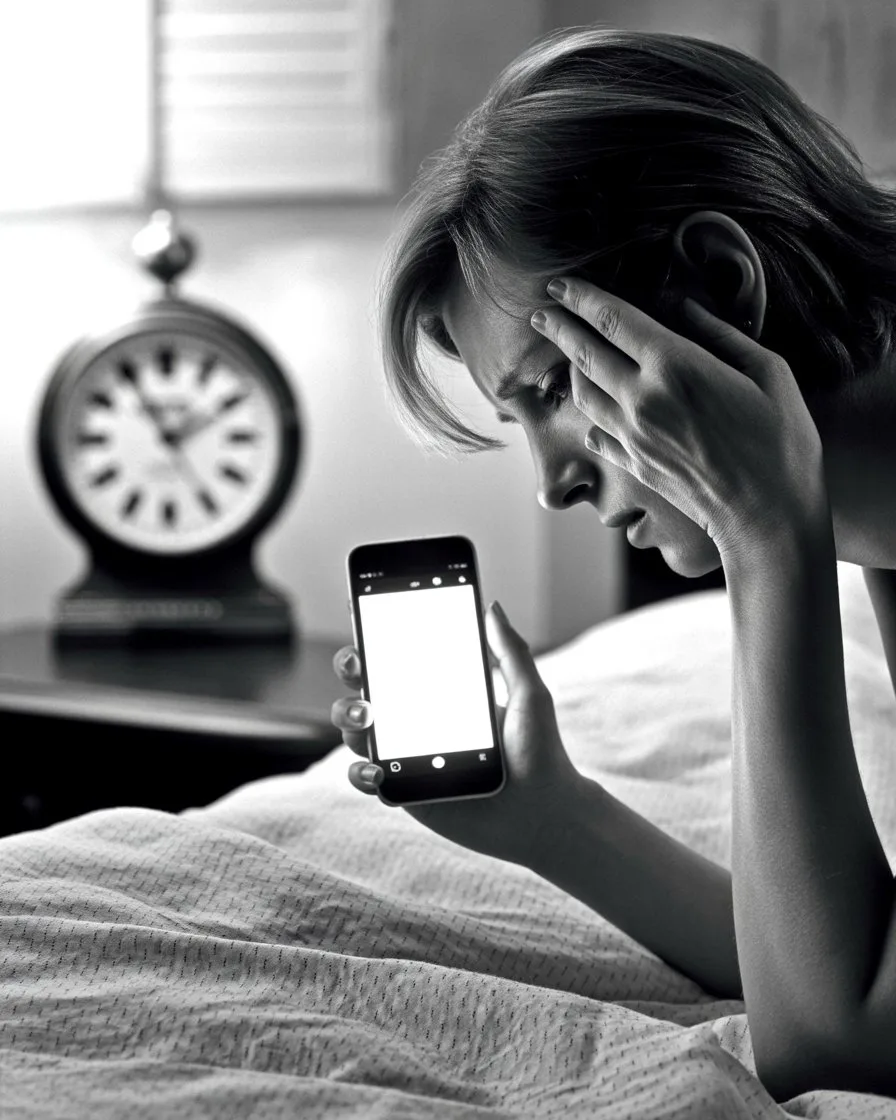
She asked, this morning. Half awake, looking at the phone.
Did the clocks change?
Yes.
She looked at the window. Same window the child looked at. Still gray. Still early-feeling even though the phone said late.
She didn’t say anything else. Just lay there for a moment, calculating something. Then:
Go make coffee.
I went.
The microwave said the wrong time.
Outside, somewhere, the sun was at the same angle it always is on March 8th. It didn’t know about the clock change. It didn’t know about daylight savings 2026 or spring forward or did we lose an hour or any of it.
It just kept rising.
Same as yesterday.
Same as always.
At whatever time it has always been — which is to say: its own time.
Which is to say: the only real time there is.
The coffee was ready. The hour was gone. The day had started. Same as every March 8. Same as it will be when neither of us is here to ask whether the clocks changed. The sun won’t answer. The sun has never answered. It just moves.